Space science
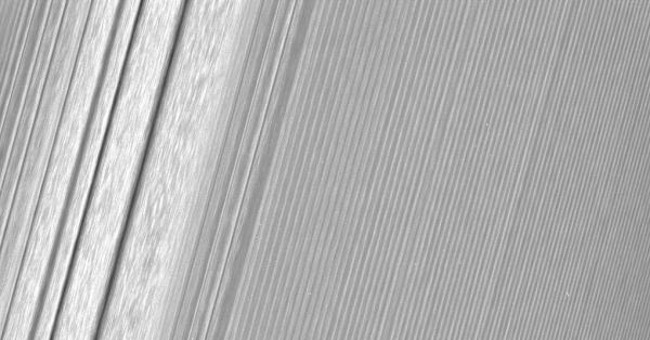
Unprecedented detailed images of Saturn's icy belt
NASA's Cassini spacecraft recently captured the closest close-up image of the Saturn belt, showing an unprecedented level of detail about this icy belt.
Browse ScienceInfo articles and explainers related to Saturn.
278 published items.
NASA's Cassini spacecraft recently captured the closest close-up image of the Saturn belt, showing an unprecedented level of detail about this icy belt.
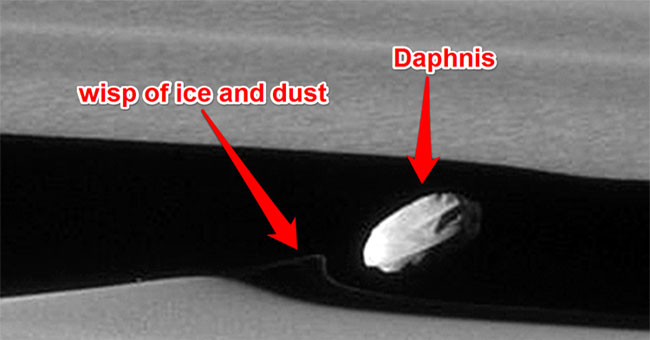
NASA's Cassini spacecraft flew close to a small Saturn satellite, named Daphnis and took the clearest picture of it ever.
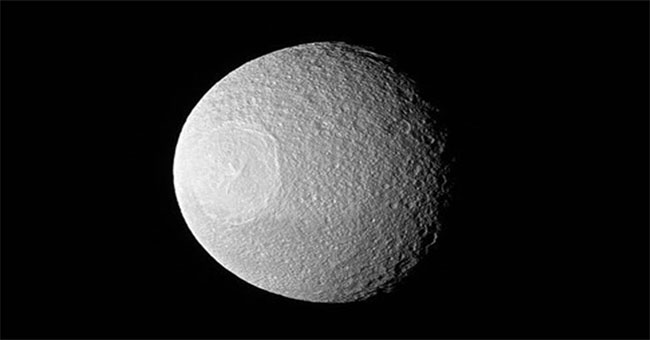
A new picture of the moon Tethys pupil of Saturn has just been announced by the US Aerospace Agency.
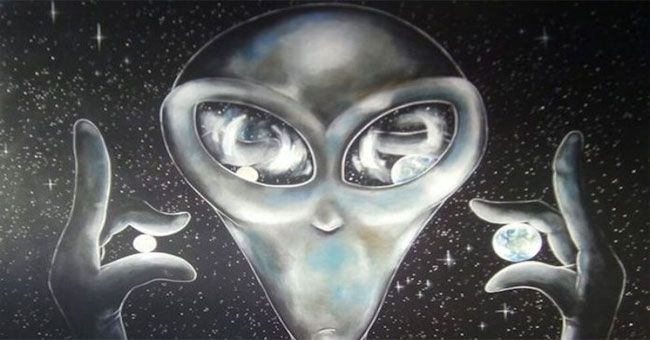
Recently, experts stated that 2017 will be a memorable year, because people will most likely find extraterrestrial life.
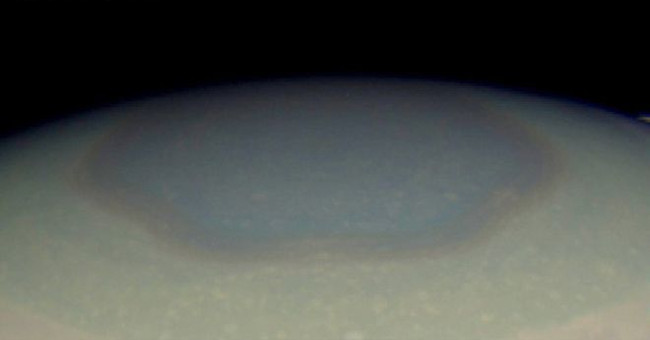
Sunlight increases when Saturn turns to summer, creating aerosols inside the hexagon cloud, causing it to turn yellow.
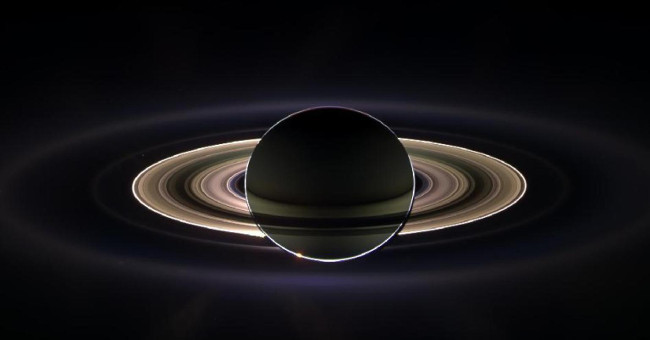
The shuttle program, taking people for the first time to set foot on the Moon, launches a spacecraft approaching the Pluto, among NASA's most outstanding achievements in…
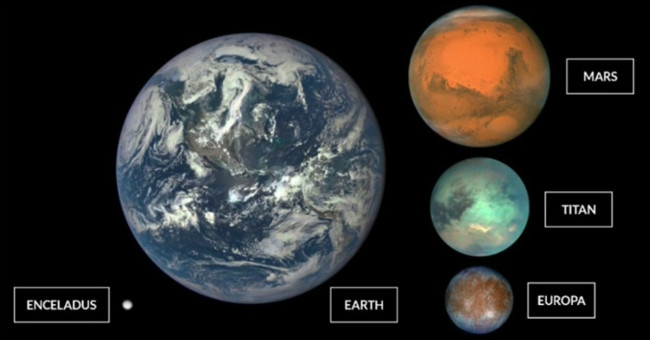
The director of NASA's planetary science division, James Green, predicts the possibility that humans will detect alien life right in the solar system over the next 10 ye…
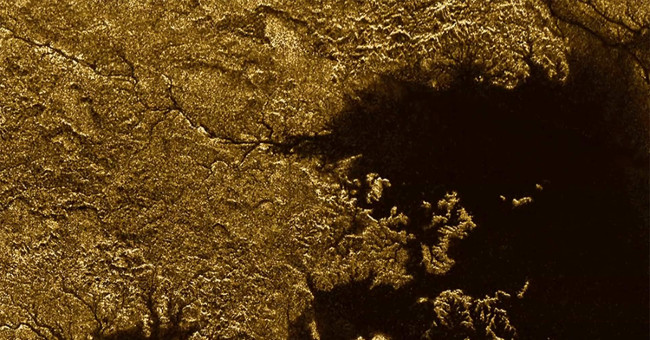
Titan, a Saturn moon satellite, has ravines hundreds of meters deep with rivers with flowing water signaling the possibility of life.
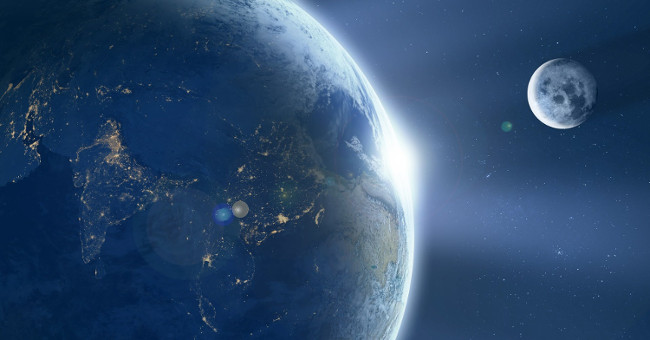
According to the exploration of the Hang Nga 3 ship (China), there is no water on the Moon as many people hope.
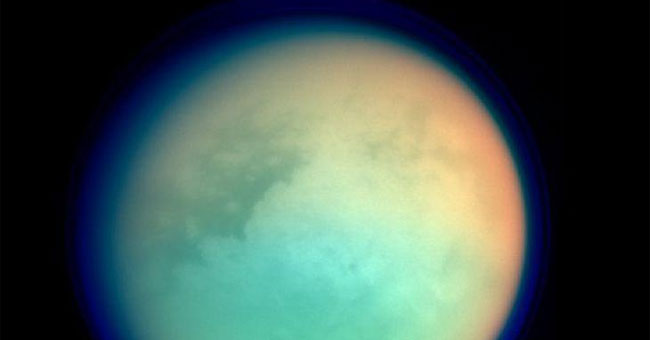
Saturn's largest moon - Titan - is one of the places where flower scientists put much hope into finding the life of aliens in our solar system.
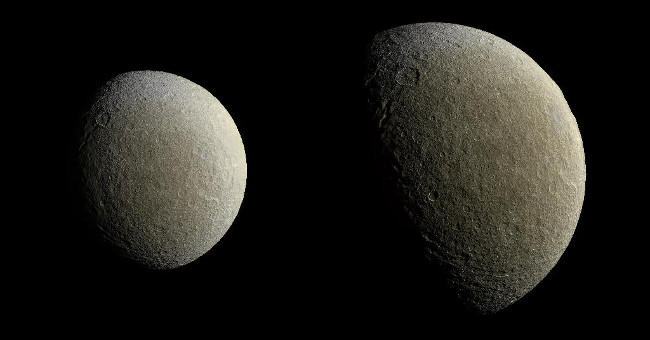
As Saturn's second largest moon, the Rhea Moon contains many interesting things not everyone knows.
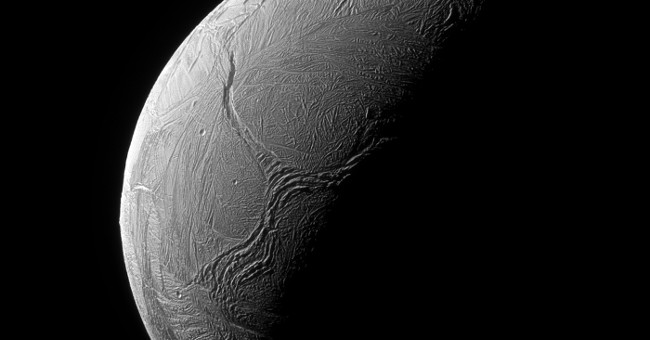
A huge Y word that has just appeared on the surface of Moon Enceladus on Saturn is astonishing.
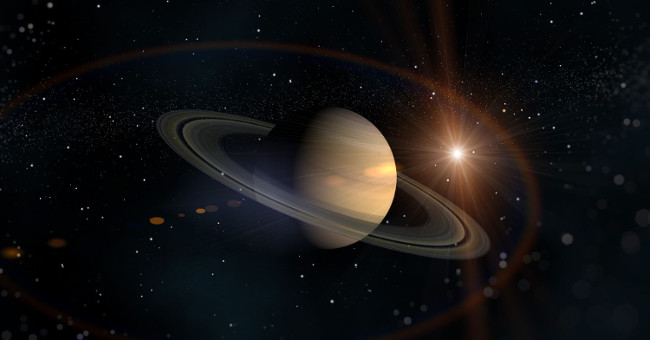
American scientists estimate that every year the amount of diamonds pouring into Saturn can be up to a million kilograms.
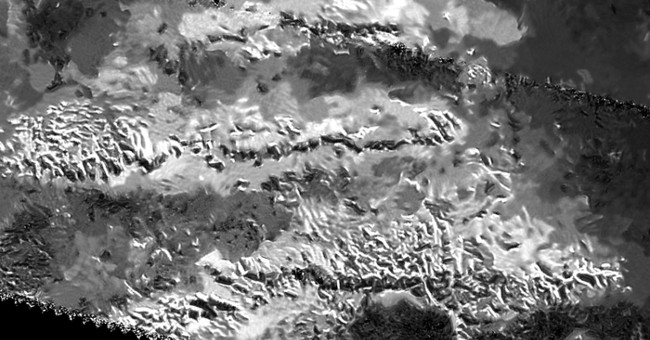
Scientists on NASA's Cassini spacecraft have just taken a flight to the highest peak of Titan on Saturn.
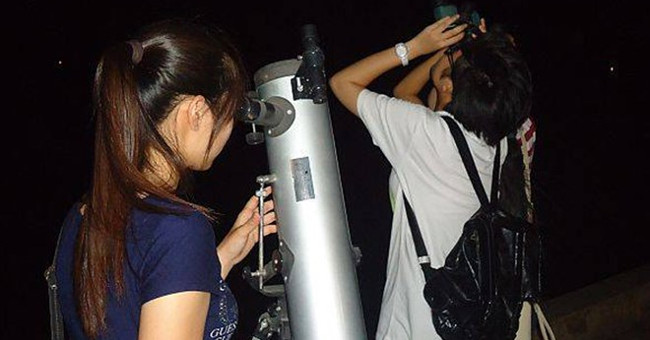
At this time, astronomers all over the world can observe 5 planets of Mercury, Venus, Mars, Jupiter and Saturn in a straight line.