
Environment
Cosmic ray detector detects tsunami for the first time
The detector system in a tunnel under Tokyo Bay can detect fluctuations of muons in the sea, helping to identify tsunamis.
Browse ScienceInfo articles and explainers related to Sea.
3,672 published items.
The detector system in a tunnel under Tokyo Bay can detect fluctuations of muons in the sea, helping to identify tsunamis.
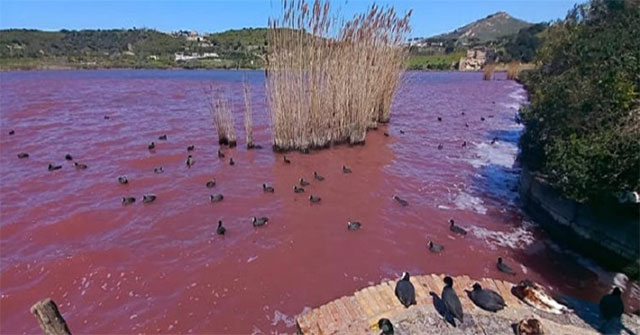
The waters around the Campi Flegei supervolcano in Italy turn red, signaling increased activity below the water's surface.
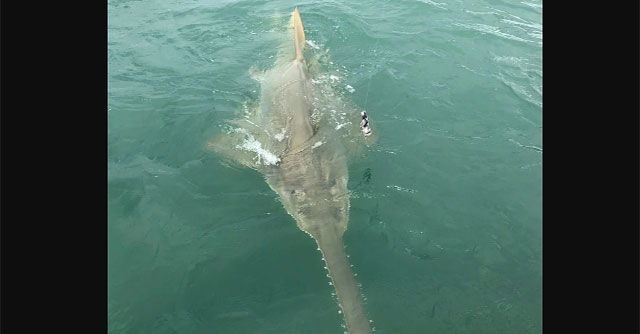
A man from England accidentally discovered a rare nearly 4 meter long sawfish during a vacation in the US.
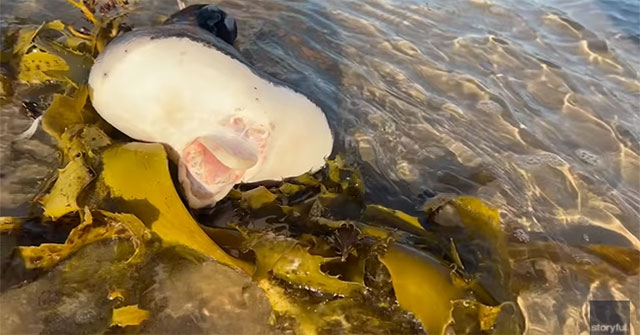
An Australian man named Drew Lambert was jogging on Bondi Beach in Sydney when he came across a strange sea creature.
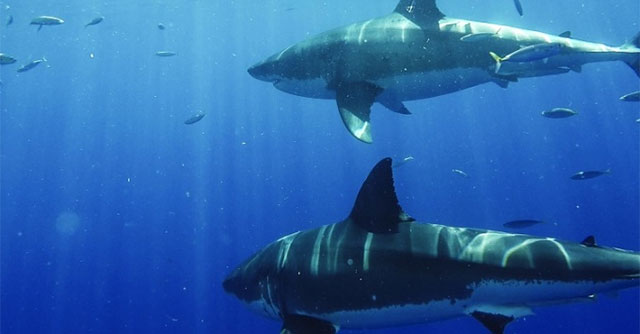
Scientists discovered great white sharks often gather to hunt together in the clear waters of Guadalupe island off western Mexico.
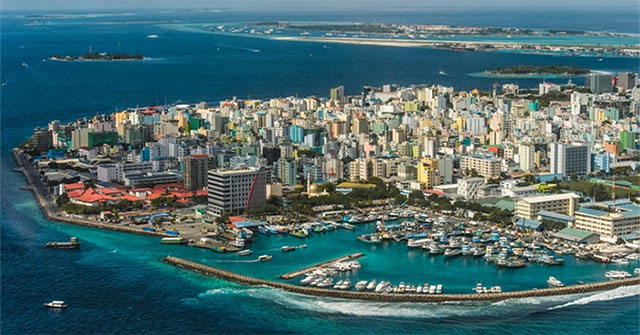
In the face of the effects of global warming, sea levels are rising rapidly, creating a global threat.

On the coast of North Africa, ancient cities live in the line of human history dating back millennia, and they are perhaps too close to the waves of the sea.
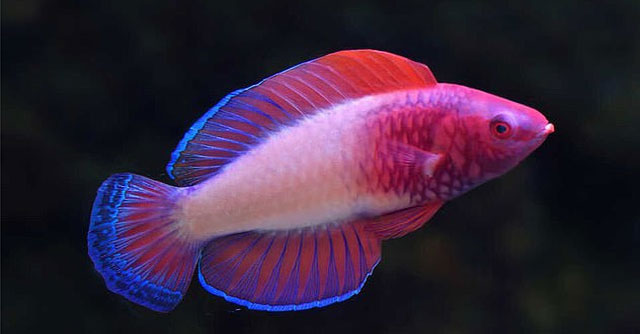
A rainbow fish with beautiful colors has been recorded in a sea off the Maldives.

Geologists have recorded the phenomenon of many large craters forming at an 'extraordinary' rate at the bottom of the Arctic Ocean, CNN reported on March 15.
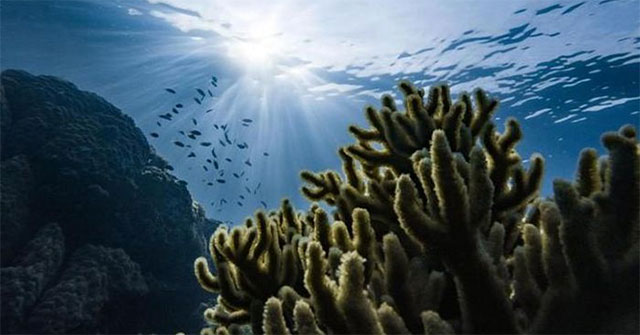
Many organisms live in the sediments on the seafloor, and these huge numbers of organisms could play an important role, both in sequestering and sequestering carbon, and…

A woman who has been missing for 18 months due to being swept out to sea by waves has been found lying unconscious on the beach, still wearing the same clothes as when s…
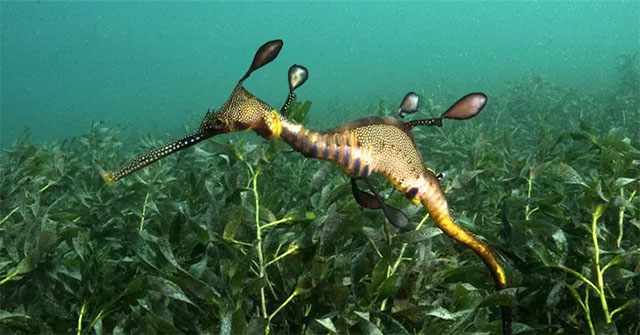
The Syngnathiformes family includes seahorses and many extremely bizarre relatives, worthy of being considered the 'masterpieces' of the creator.
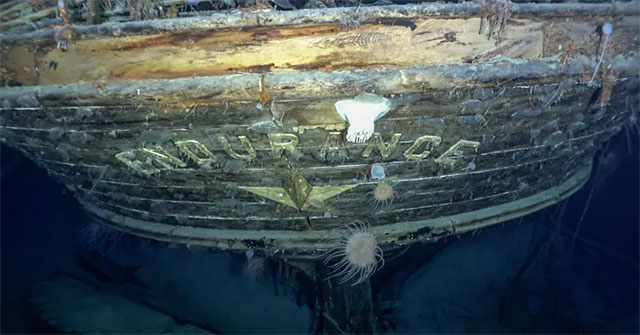
Overcoming the challenge of freezing temperatures, explorers located the wreck of the Endurance, the ship carrying explorer Ernest Shackleton that sank in the Antarctic…
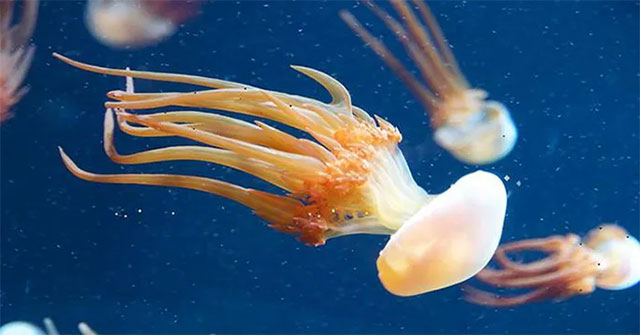
On the outside, they are ordinary modern sea creatures, but inside are chromosomes with an ancient structure preserved from 600 million years ago.
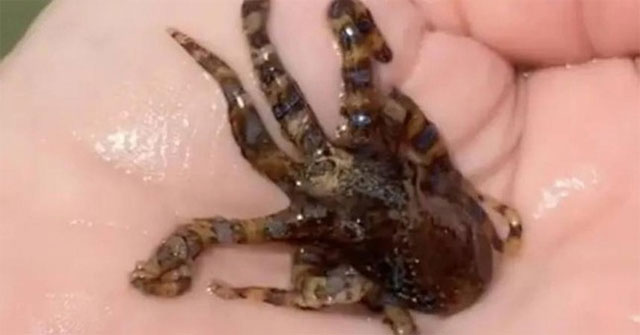
As it turned out, the octopus that the Australian girl picked up was a blue-spotted octopus, one of the most venomous species in the world.