
Computer science
Moore's Law: 50 years leading the way for humanity
Did you know that, without Moore's Law, the world of today will not have a smartphone and even no ... Internet?
Browse ScienceInfo articles and explainers related to Semiconductor.
102 published items.
Did you know that, without Moore's Law, the world of today will not have a smartphone and even no ... Internet?
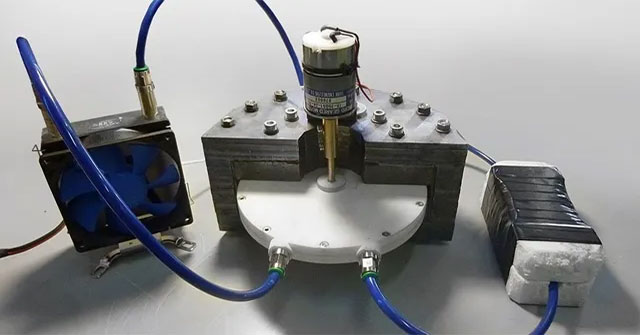
According to the information department of the National University of Science and Technology (NUST MISI) reporting to RIA Novosti, Russian engineers designed a next-gene…
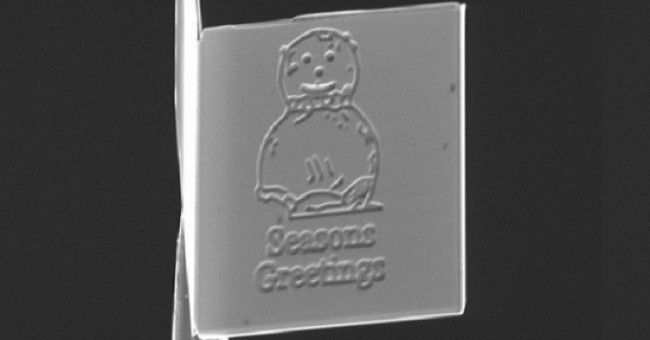
This is a unique idea developed and implemented by scientists from the National Physical Research Department (NPL) of the UK National Metrology Agency.
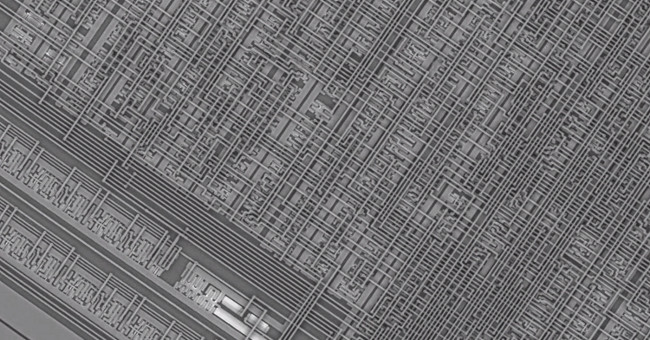
With so many transistors, why do we rarely hear about transistor cases, or processor chips that have damaged transistors inside.
US scientists discovered, we can use magnets to control both heat and sound.

According to scientists, the phenomenon of floating mountains in the air, plants and animals glowing in the dark night ... in the movie Avatar can absolutely happen in r…
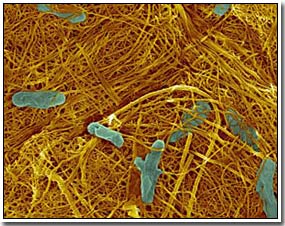
Chemists and engineers from the United States and South Korea have discovered some types of semiconductor nanotubes made from living organisms, bacteria - this discovery…
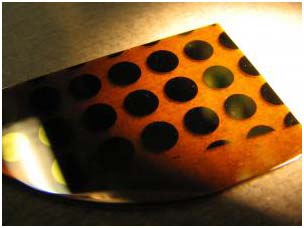
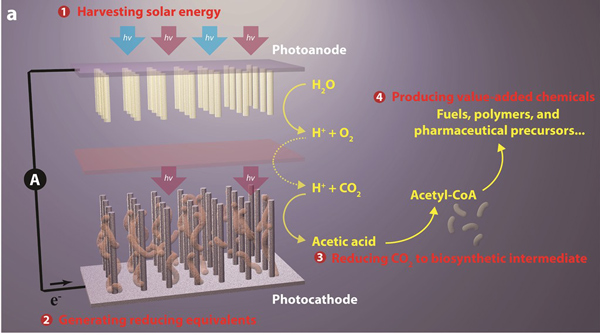
Chemical experts at the University of California, San Diego have demonstrated the feasibility of harnessing sunlight to transform greenhouse gas emissions into useful pr…
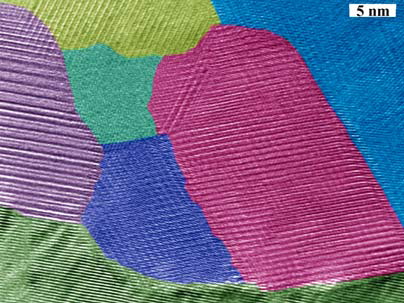
Researchers at Boston University and Massachusetts Institute of Technology (MIT) have used nanotechnology to make major improvements in the ability to increase thermal e…
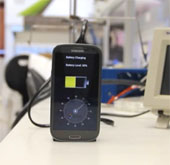
Many new battery technologies have emerged over the years, but perhaps the most attractive of them is the prototype device called StoreDot from an Israeli startup compan…
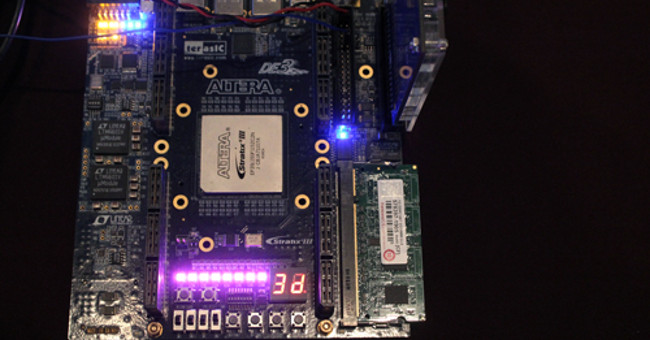
The world's largest IC conference hosted by Ho Chi Minh City attracts hundreds of leading scientists to attend.
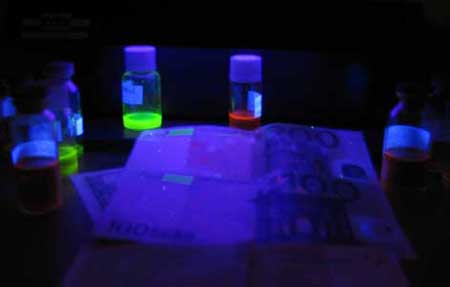
With a few nanometers in size, quantum dots made by Vietnamese scientists have great potential for security and biological research.
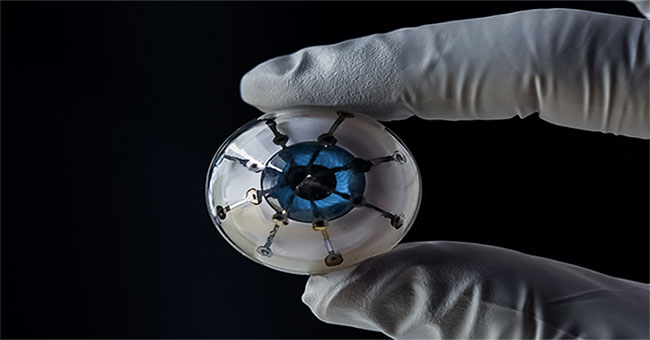
Researchers at the University of Minnesota have printed a series of light receptors on a hemispherical surface.
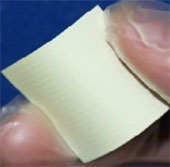
Chinese scientists have successfully built a device, which looks like a piece of paper, mimicking the process of electrochemical signaling in the human brain.