Space science
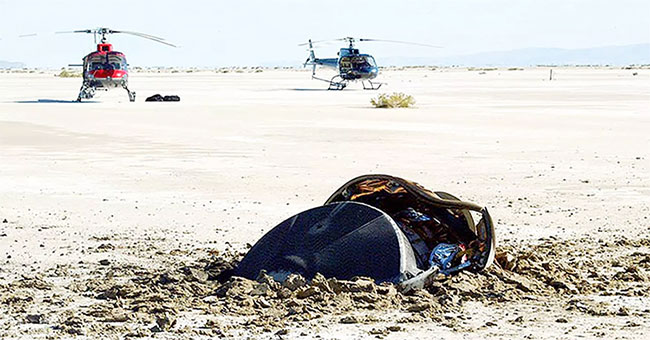
Flying saucer-like objects fell into the American desert
The bay-like vessel crashed into the Utah desert and was photographed by NASA after radar tracking and chased by helicopter.
Browse ScienceInfo articles and explainers related to Ship.
1,808 published items.
The bay-like vessel crashed into the Utah desert and was photographed by NASA after radar tracking and chased by helicopter.
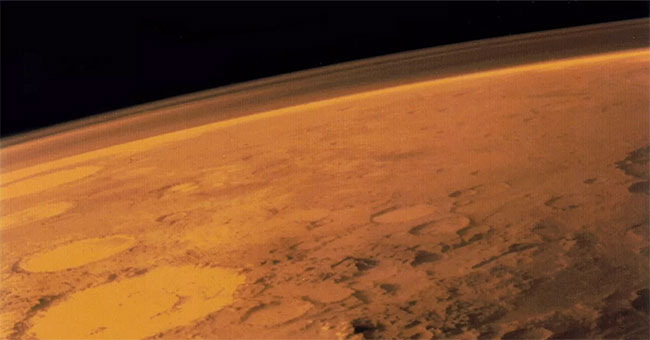
Mars, also known as Mars, is the fourth planet from the Sun in the Solar System. Sometimes this planet is also known as Mars.
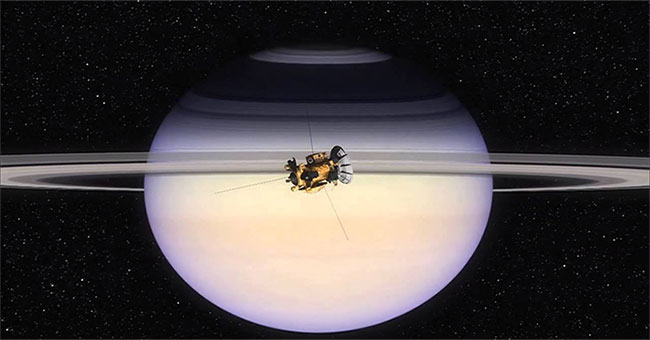
In the last days of the mission to fly around Saturn, the Cassini space probe has recorded the flow of molecules scientists call
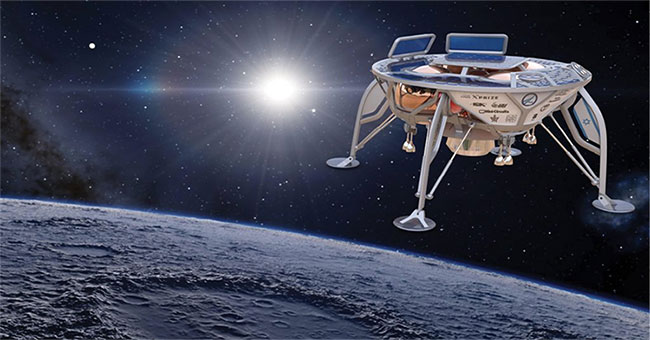
In the October 10 announcement, SpaceIL said the plan should be made in December but will be delayed to early 2019 at SpaceX Group's decision.
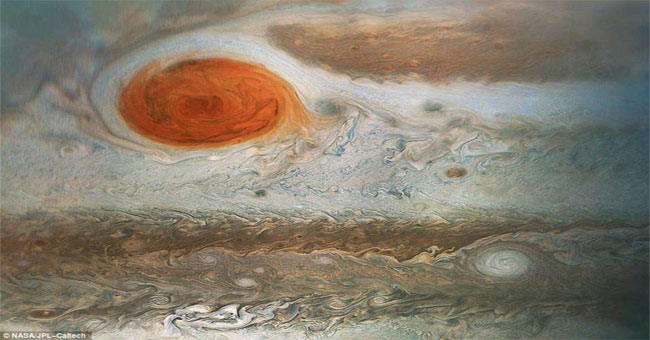
Clouds of this country are found right in the Great Red Spot - the red storm that existed for centuries on Jupiter.
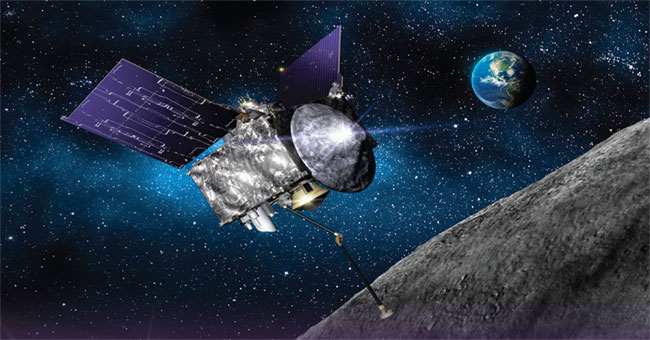
Two years after being launched from Florida (USA), the USSIRIS-REx spacecraft (NASA) is getting closer to the ancient Bennu planet.
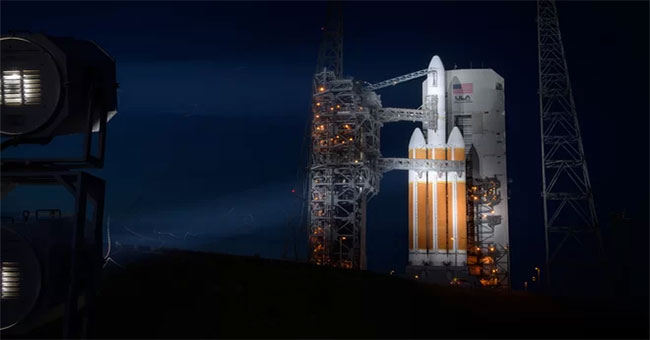
The Alliance Delta IV rocket carries NASA's Parker spacecraft away from the launch pad from the Space Launching Complex 37 at Cape Canaveral Air Station, Florida, USA, o…
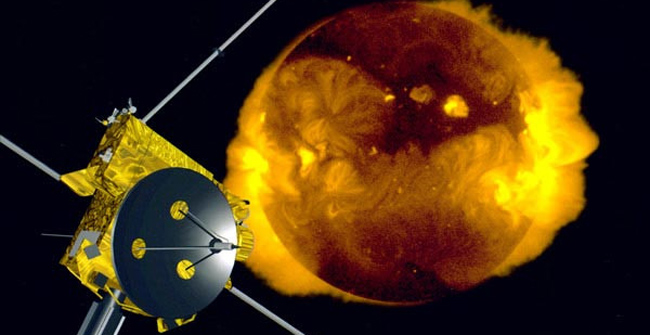
Here are the greatest sun missions you may not know yet.

49 years ago, the first time humans set foot on the moon, the whole world held their breath to follow every movement of Apollo that year.
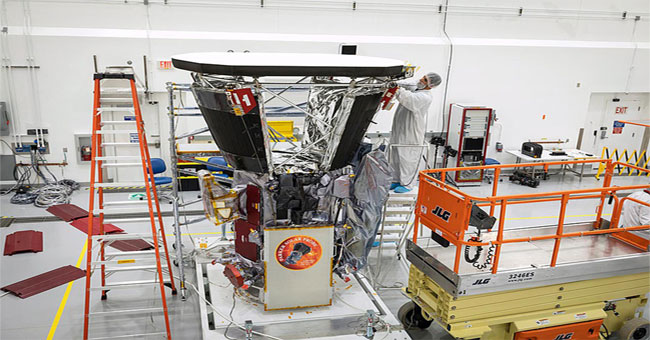
Taking charge this time is the unmanned probe Solar Parker. The ship is named after astronomer, astronomer Eugene Parker - who first introduced the concept of the solar…
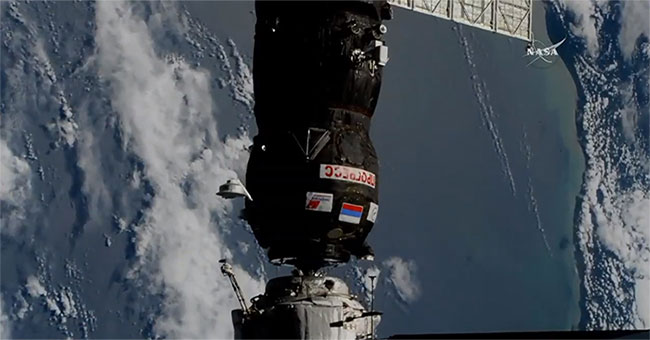
Progress 70 cargo ship (Progress 70) was launched from Baikonur space airport in Kazakhstan at 21:51 GMT and connected to ISS after 3 hours 48 minutes flight.
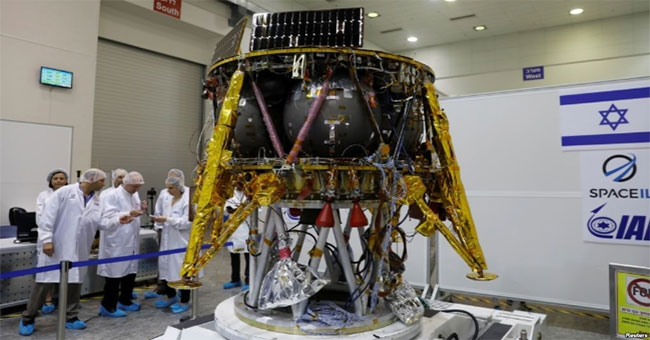
An Israeli nonprofit organization plans to land an unmanned airship on the Moon in February 2019.

According to the plan, this ship will make three landings on Ryugu to collect soil samples. The first landing is scheduled for September or October.

NASA's Multospale spacecraft (MMS) detects unusual magnetic activity in the atmosphere near the Earth.
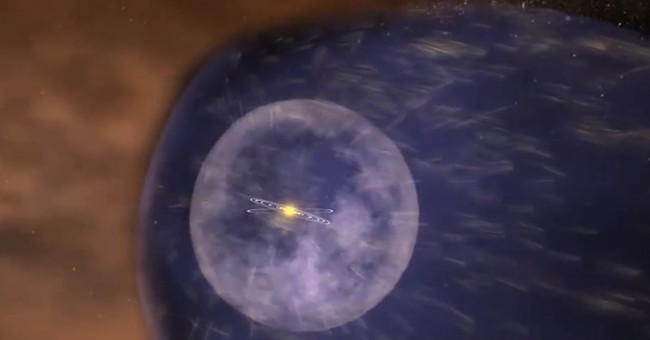
The Johns Hopkins University team hopes the spacecraft more than 320,000 km / h will reach the interstellar space by 2070 at the latest.