Science invention
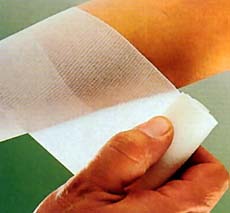
Tape of scar-scarring
Stanford University Medical Center (USA) has developed a wound dressing that can prevent scar formation on the skin.
Browse ScienceInfo articles and explainers related to Skin.
1,441 published items.
Stanford University Medical Center (USA) has developed a wound dressing that can prevent scar formation on the skin.
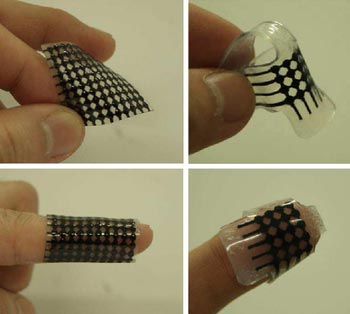
Currently, we get most of the information from the computer through image and audio features. But as Korean scientists point out, the most extensive senses on the human…
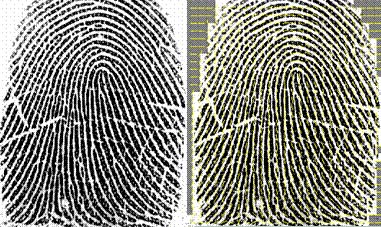
Finger skin folds in each person are governed by many genes. The number of wrinkles and their morphology will not change throughout life. So far, fingerprints are still…

Archaeological relics in Egypt show the presence of cosmetics from 6,000 years ago. Rich Egyptian women often draw light blue copper powder on their faces to accentuate…

In recent years, Stardock has created utilities to create new changes for Windows. With the right software, you can change some Windows features such as appearance, beha…


While almost all components of Windows have been upgraded and modified through each new version of Windows, the clock in the system tray has not changed, it is boring. I…
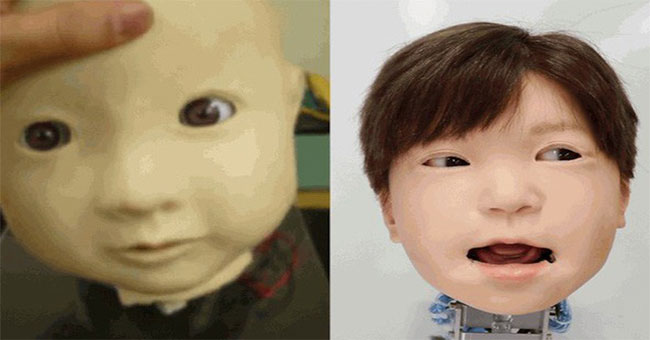
To begin with, let's go back in time to 2011. Seven years ago, Osaka University scientists created a revolution by introducing Affetto, an android robot.
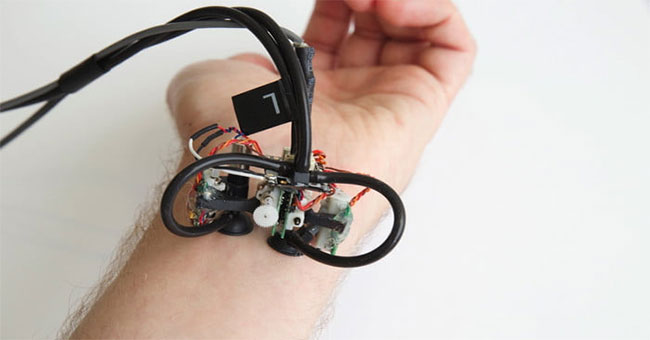
Scientists at the Massachusetts Institute of Technology have just developed a new type of robot capable of supporting screening for skin diseases, including skin cancer.
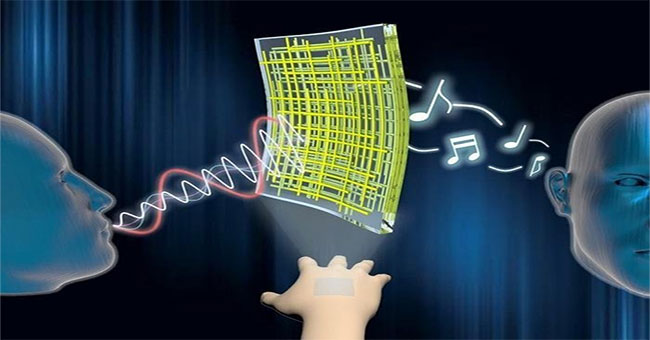
In the study, the scientists created ultrathin, transparent and conductive hybrid nanoscale nanoparticles with nanoscale thicknesses, including a series of orthogonal si…
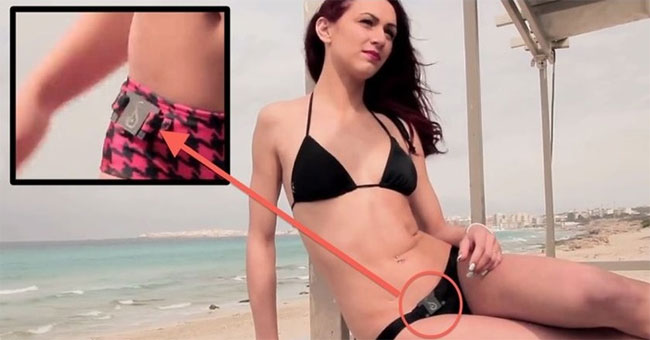
The UV-sensing part comes with a swimsuit that measures the sun's intensity and signals a reminder to wear more sunscreen.

According to South China Morning Post, this new laser rifle will be used by anti-terrorist teams in China's armed police force.
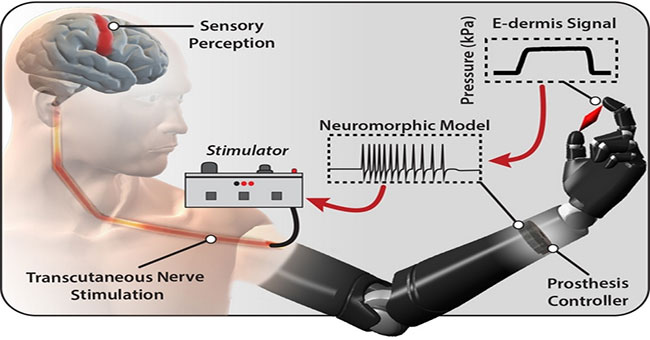
If researched and developed successfully, electronic skin will become a new hope for people with disabilities who can experience pain and feel about everything around th…
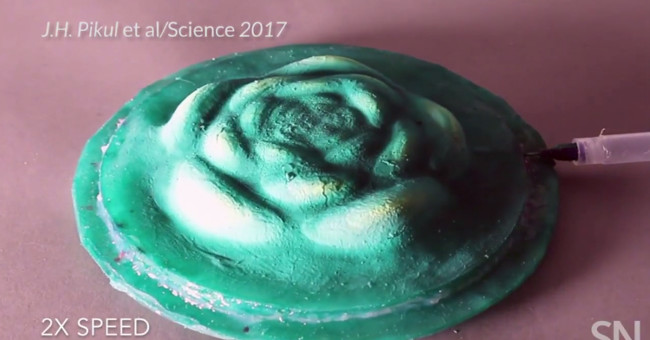
Engineers at Cornell University, USA, developed a stretchable surface capable of changing the structure from 2D to 3D, allowing it
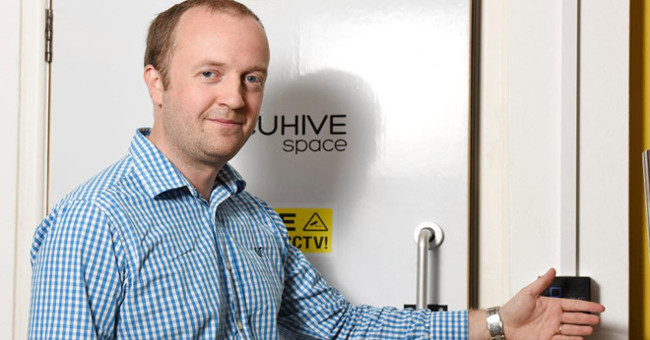
He said this technology is similar to microchip use for dogs and cats. Time to implant equipment is only 30 seconds.