New technology
Reproduce the organ with a chip
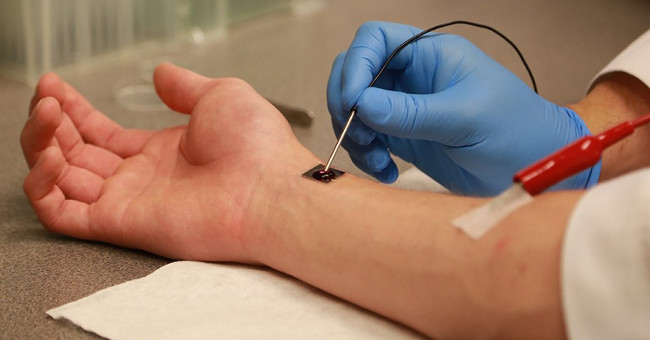
In the field of Nature Nanotechnology, scientists from Ohio University announced the invention of a special chip that regenerates all types of cells, even the organ.
Browse ScienceInfo articles and explainers related to Skin.
1,441 published items.
In the field of Nature Nanotechnology, scientists from Ohio University announced the invention of a special chip that regenerates all types of cells, even the organ.

According to The Verge, we are approaching the time to eliminate the bulky health sensors because scientists have invented a super-thin wearable device that can write da…
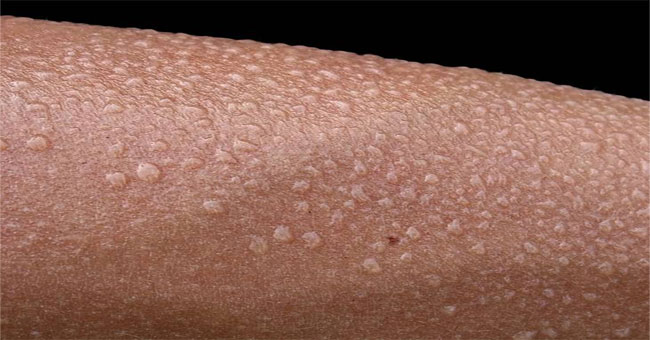
US scientists have successfully developed skin patches that use sweat to power the phone.

On April 19, Facebook's social networking site announced research projects that allow users to create text directly from the brain, as well as communicate with each…

New technology - Watson comes from IBM, opening a new horizon in the diagnosis of skin cancer. Along with the ability to learn knowledge from the surrounding, to make Wa…

An Israeli company has unveiled applications based on phone cameras to analyze images, thereby finding diseases and suggesting treatment directions.

US scientists have created a self-healing material within 24 hours inspired by the werewolf Wolverine character.

Based on the new technology, Inkbox's tattoo stickers can last for a period of 2 weeks and still achieve the same sharpness as real tattoos.

Researchers at the University of Connecticut were inspired by the ink and jellyfish skin, which can change color or texture to meet certain elements in the surrounding e…
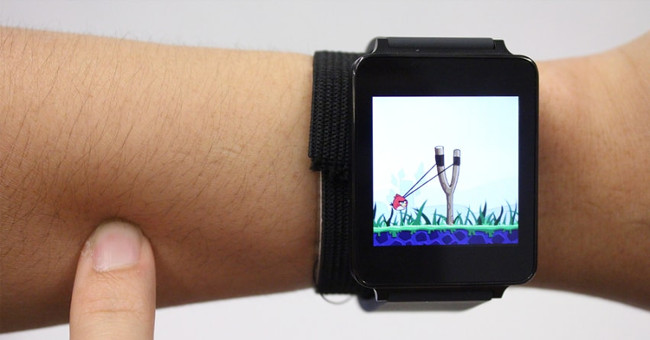
The small touch screen makes it difficult to manipulate and watch content on smart watches.
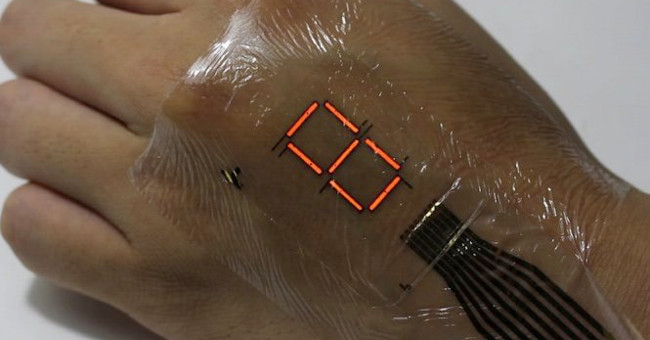
For the first time, Japanese scientists have demonstrated that an ultra-thin and flexible electronic display screen made from organic electronics does not impair tactile…
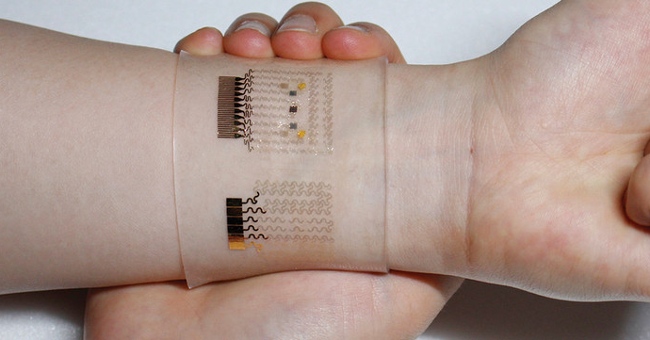
A sticker made of graphene with the ability

VeinViewer's Christie Med is a revolutionary product in the field of vein display technology, which is not a new technology.
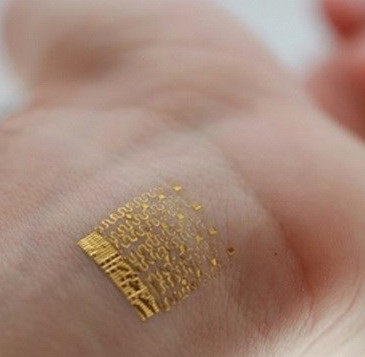
Japanese researchers have developed a super-thin temperature sensor that can be attached directly to the skin.

Recently, Stanford University researchers have successfully developed an electronic device that functions as a human skin and in addition to the ability to change colors…