Archeology
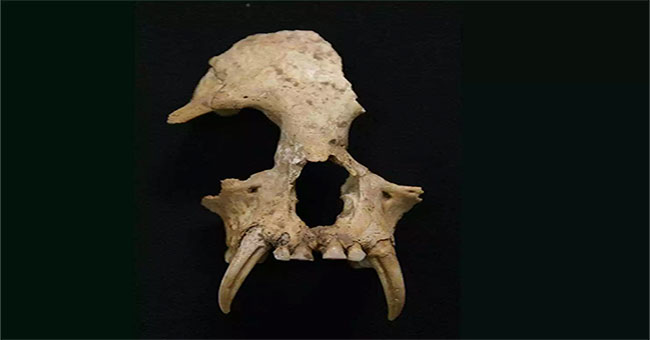
Found new gibbons in the tomb of Ms. Qin Shihuang
The skeleton of the extinct gibbon breed has long been unearthed in the 2,200-year grave in the ancient capital of Chang'an, China, reported June 21.
Browse ScienceInfo articles and explainers related to Skull.
388 published items.
The skeleton of the extinct gibbon breed has long been unearthed in the 2,200-year grave in the ancient capital of Chang'an, China, reported June 21.
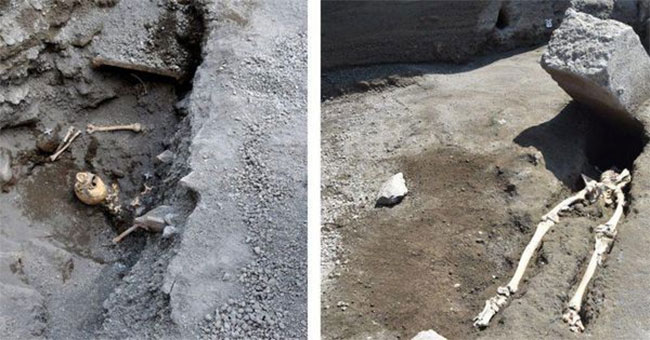
Photos of the skeleton of a victim in the Vesuvius volcanic disaster caused a storm in late May 2018.

Thousands of years before anesthesia techniques and accurate medical devices were born, humans performed complicated surgeries.
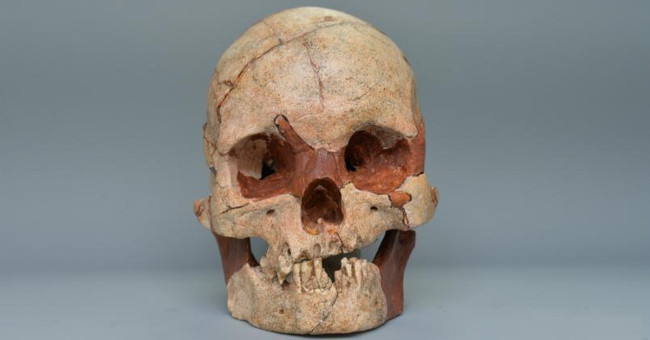
Chinese archaeologists found a skull fossil dating back about 16,000 years and almost intact in Long An district, Guangxi province.
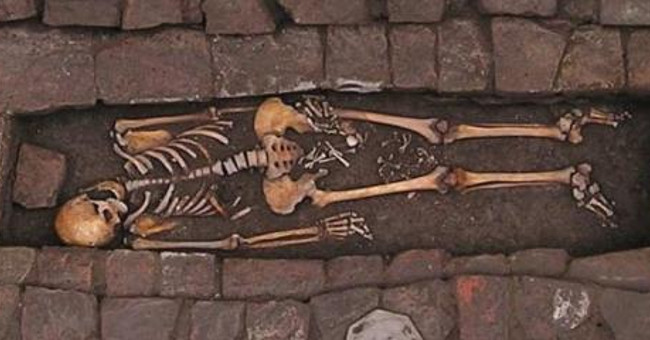
The 1,300-year-old remains of a woman with holes in her skull and fetus between her legs were found in a narrow stone tomb beneath the medieval town of Imola in Italy, a…
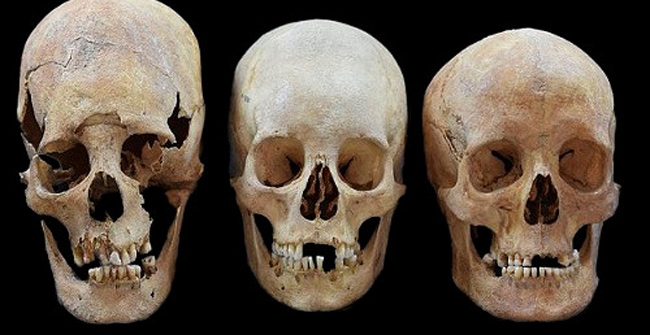
In the past decades, experts and scientists have discovered some special tombs in Europe containing the remains of some women. What makes the experts notice is the shape…
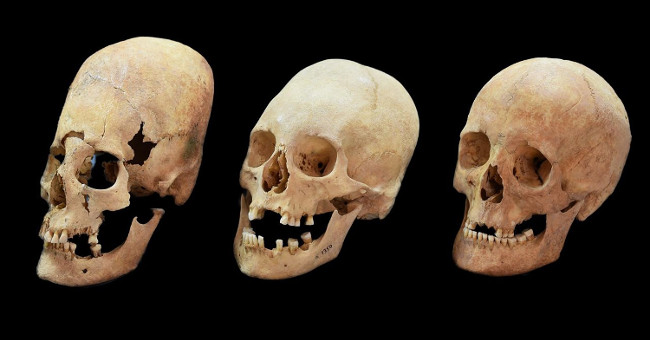
The research team led by Krishna Veeramah, a scientist at Stony Brook University, conducted DNA analysis of longer skulls normally found in Germany, Newsweek reported on…

Mummy covered with white powder with a long skull, limbs with only three fingers in Peru raises speculation that this is an alien body.

Scientists first released the image of Saint Valentine 'face.
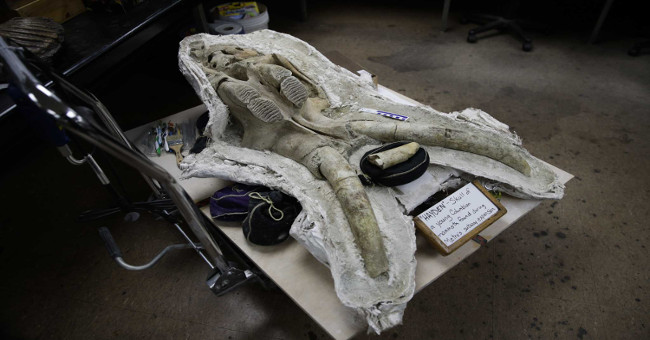
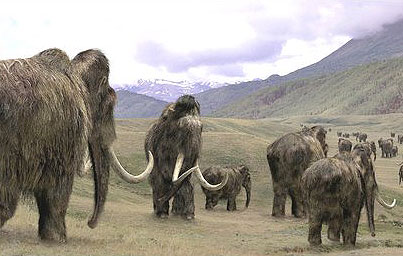
Mammoths are very large prehistoric animals and can own ivory pairs of up to 3.5 meters long.
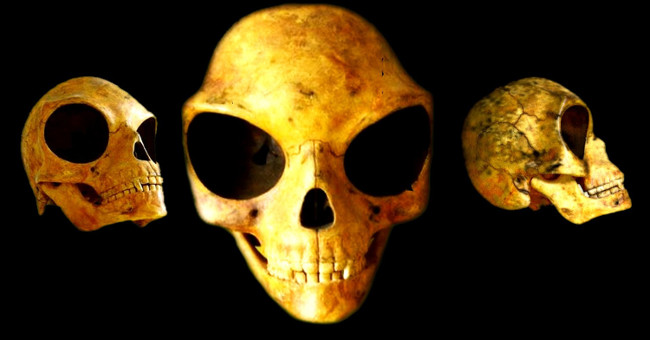
So far, some of the most mysterious archaeological findings in history have yet to find a convincing answer.
Ancient lions of oversized sizes roared throughout England, Europe and North America 13,000 years ago.
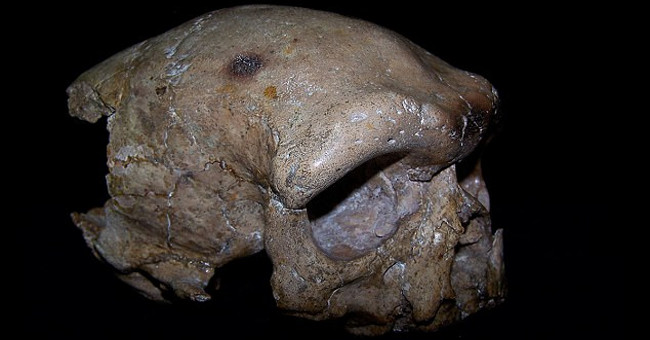
According to Independent, most anthropologists think that humans originated in Africa, about 200,000 years ago.

Scientists discovered the skull of the world's first tsunami victim, a person living in Papua New Guinea 6,000 years ago.
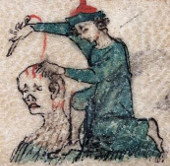
In the Middle Ages, people burned hemorrhoids with red hot iron, drilled holes in the skull without anesthetic, using sharp objects to remove the lens.