Space science
The world welcomes the sun's ring, the moon in the middle of the year 2017
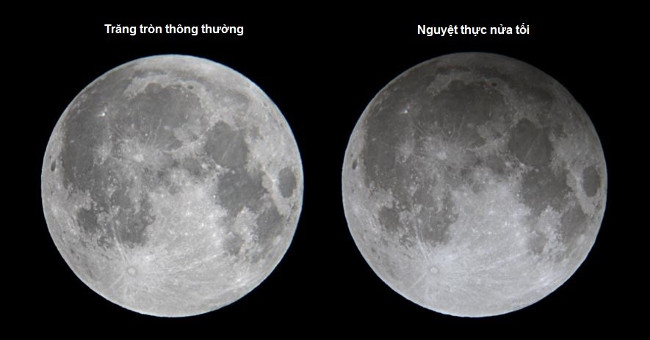
In 2017, the world will have the opportunity to observe the total solar eclipse, annular eclipse, half-moon eclipse, partial eclipse and 4 large meteor showers.
Browse ScienceInfo articles and explainers related to Sky.
1,165 published items.
In 2017, the world will have the opportunity to observe the total solar eclipse, annular eclipse, half-moon eclipse, partial eclipse and 4 large meteor showers.
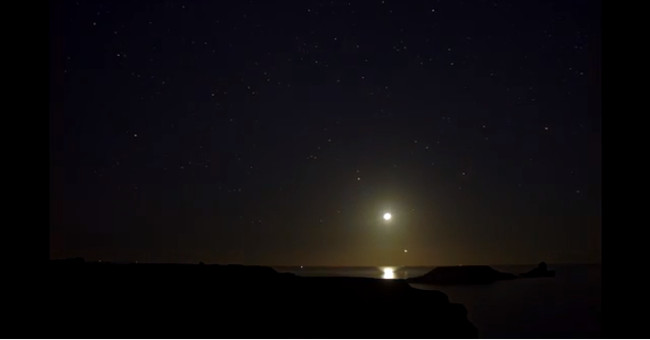
Astronomers in England have just admired the star of Kim shining brightly, lying in line with the Moon and Mars in the night sky.

A comet will fly across Earth on December 31, lighting up the night sky with brilliant natural fireworks as the world welcomes the new year.
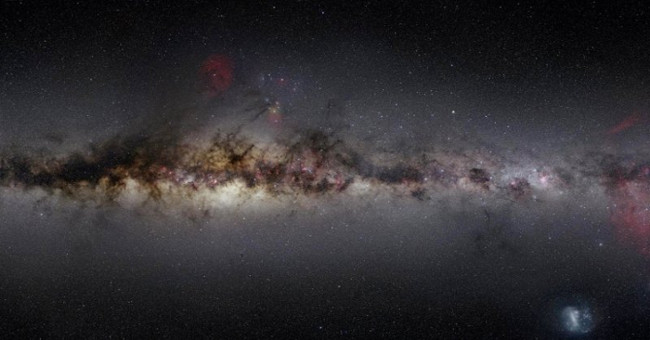
Modern astronomy allows us to have more detailed images of the sky than ever before. The ROSAT, Fermi and Planck telescopes have shown us the universe image through diff…
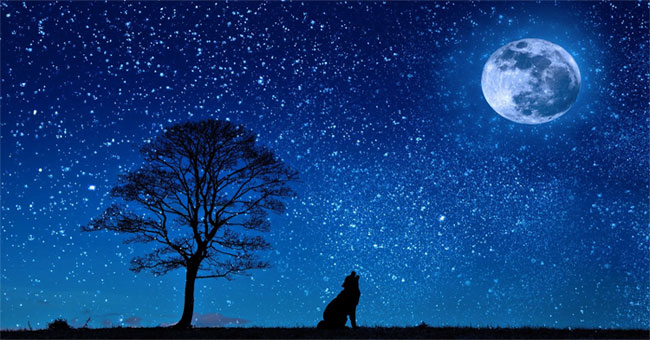
The stars that blink continuously in the night sky are due to the light emitted from them being refracted many times as they pass through the Earth's atmosphere.
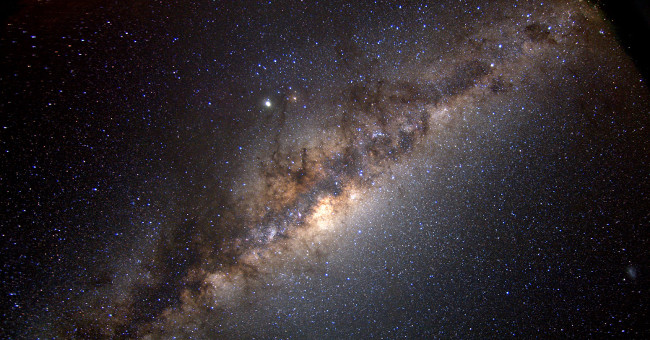
The name Milky Way is commonly used in Western astronomers 2,500 years ago.
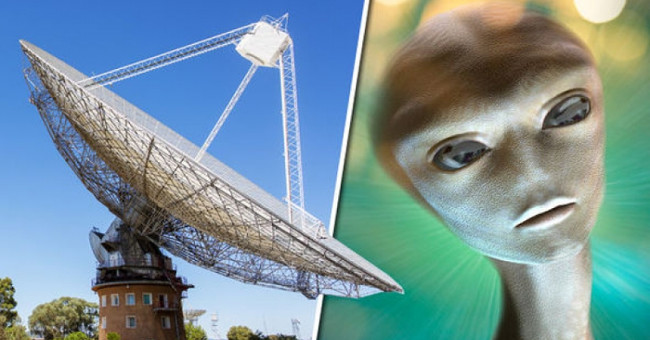
Recently, a team of astronomers claimed that they had noticed some strange signals in the universe.
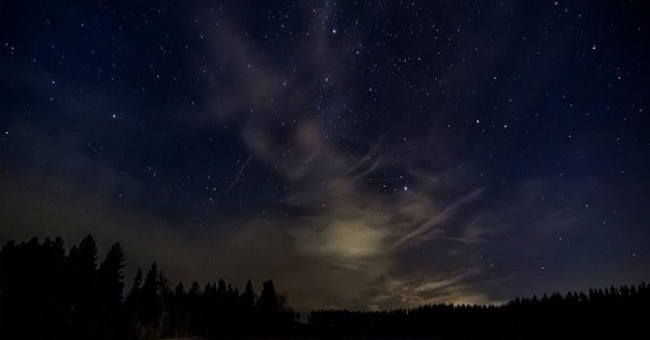
The hypothesis that 200 years ago explained the cause of the dark sky at night is because hydrogen clouds prevent light from the countless stars being proved to be accur…
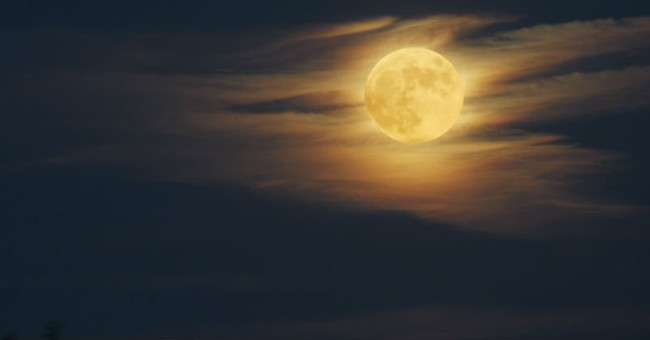
Because of the combination of the Moon Hunter (Hunter's Moon) and the Super Moon on the night of October 15-16 in the Northern Hemisphere, we will have the opportunity t…
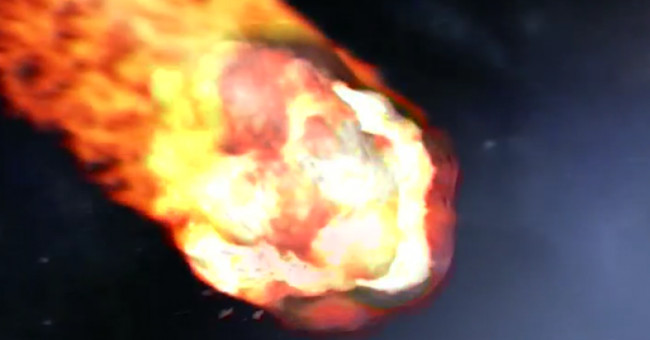
The people of Queensland, Australia were extremely frightened when a giant meteorite stabbed into the sea causing a slight shaking.
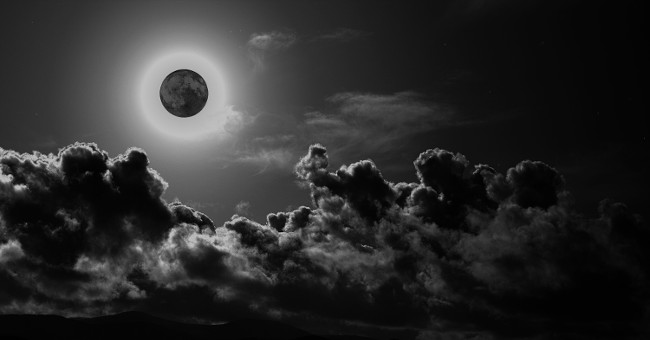
A rare astronomical event named
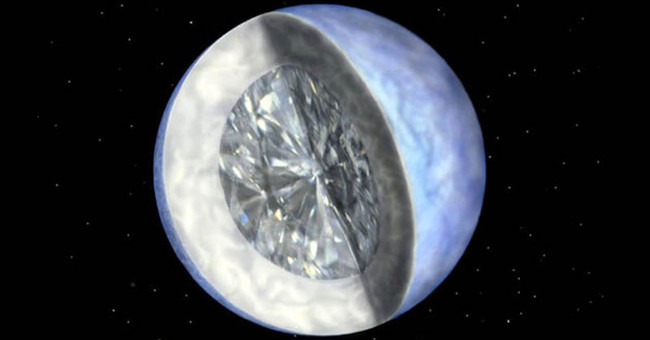
The astounding astronomers discovered a bright glittering object in the sky that is a diamond star
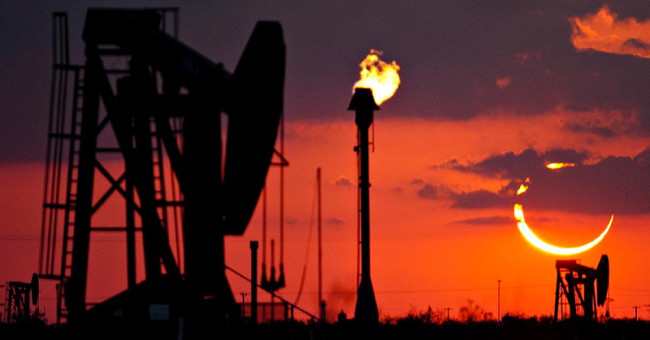
Astronomers in Central Africa, Madagascar and the South Indian Ocean will have the opportunity to see this amazing astronomical phenomenon.
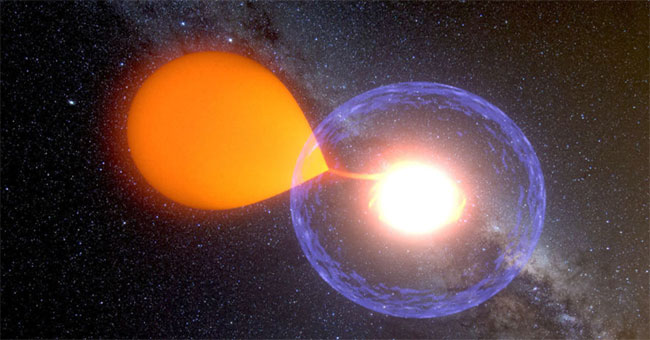
Scientists have recorded the moment when a supernova exploded, a rare event in the cycle that lasts from thousands to millions of years of a star.
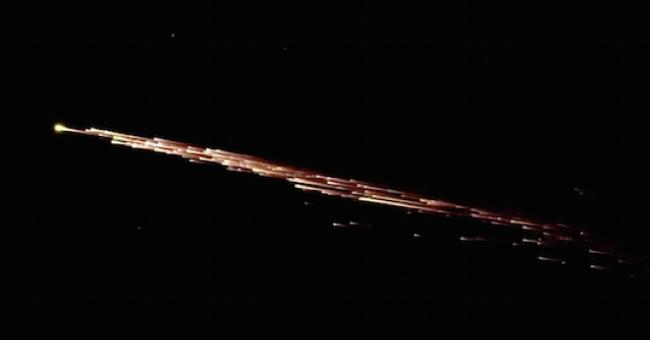
A glowing fireball flew through the California state night on the night of July 27, causing a fever on social networks, finally identified.