Space science
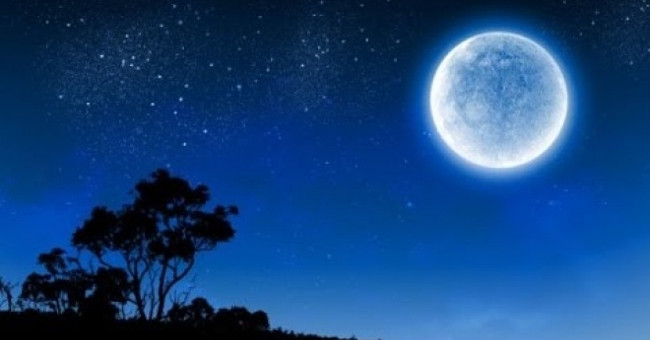
Blue moon and Mars together illuminate tomorrow night sky
On May 21-22, astronomers all over the world not only have the opportunity to follow the rare blue full moon but also can observe Mars in the closest position to the Ear…
Browse ScienceInfo articles and explainers related to Sky.
1,165 published items.
On May 21-22, astronomers all over the world not only have the opportunity to follow the rare blue full moon but also can observe Mars in the closest position to the Ear…
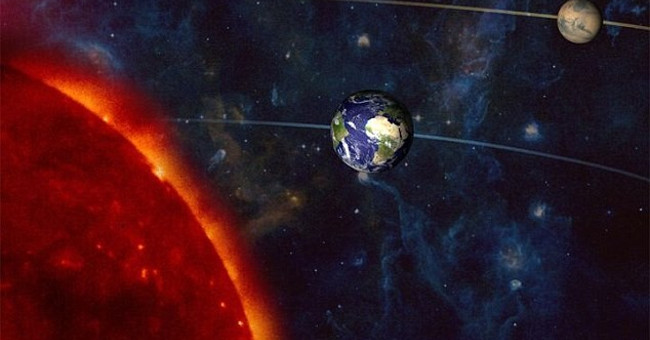
The red planet will arrive at the closest globe to the end of May and also achieve the highest brightness when the Earth is between Mars and the Sun.

The Milky Way or Milky Way is a milky white light strip across the night sky. According to Greek mythology, the Milky Way is the milk flow of the goddess Hera flowing in…
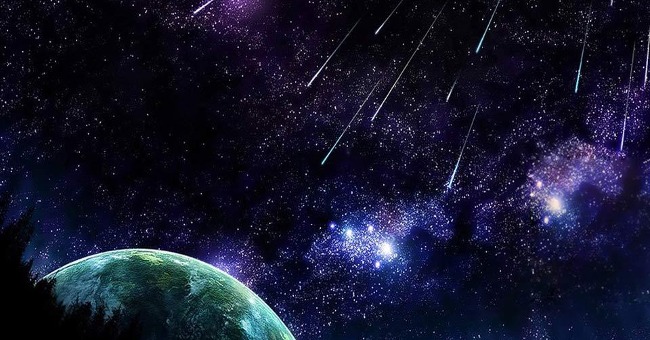
Astronomers on Earth are about to see the Eta Aquarids meteor shower lasting for a month, which takes place from April 20 to May 21.
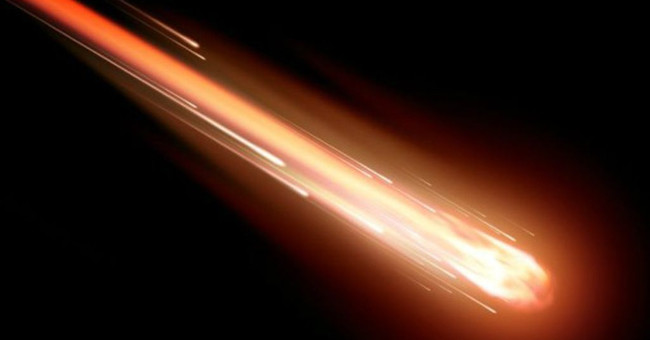
With the power to destroy up to 15 million tons of TNT, some meteors carry enormous destructive power that once plunged to Earth.

Ancient Babylonians used complex mathematical operations to track Jupiter's movement in the night sky from 350 BC.
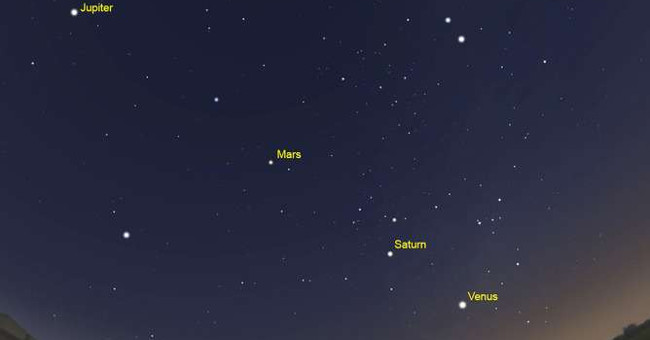
Five planets are Mercury, Venus, Mars, Jupiter and Saturn will be lined up in a straight line this month and the event is visible to the naked eye.

This giant object is seen in the night sky near Las Vegas, Nevada on December 22 (local time, ie December 23, 2010). Witnesses believe this is a meteorite.
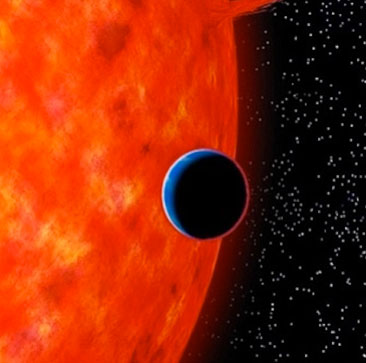
A group of American researchers discovered the sky of an extrasolar planet from light 100 years from Earth.
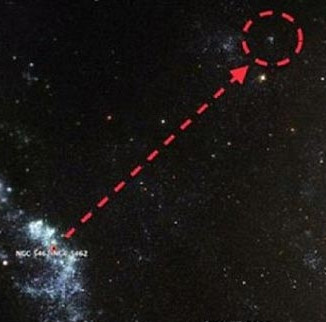
UFO hunters are buzzing with speculation about the appearance of one

Residents in the eastern village of Turkey earned more than $ 350,000 from the sale of meteorite debris to the area in September.
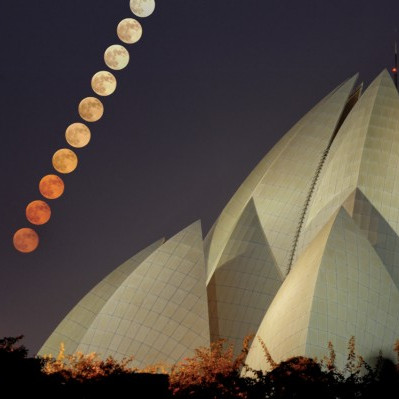
According to Earth Sky, each full moon has its own name, related to the months of the year, or season, such as the Harvest Moon (Harvest Moon) and Hunter's Moon (Hunter'…
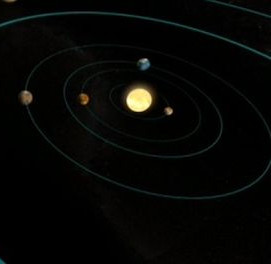
Three planets will appear in the sky this week in a straight line that can be seen with the naked eye.
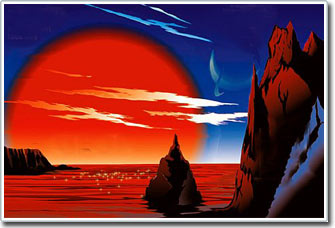
Have you ever wondered why stars are visible only at certain times of the year? For example, why the night sky observers in the Northern Hemisphere can only see the Hunt…
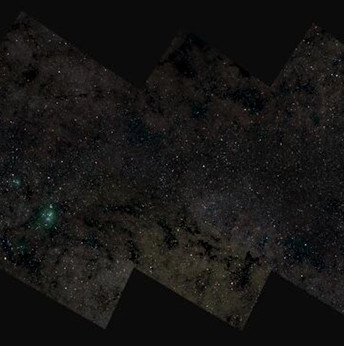
At 46 billion pixels in size and 194 GB in size, this is a photograph of the Milky Way galaxy with the highest resolution that astronomers have ever taken.