
Computer science
Sony launches the world's smallest projector
This is not the first time we've seen a company launch the world's smallest LED projector product. And this is not the last time. The inventor this time is Sony.
Browse ScienceInfo articles and explainers related to Smallest.
283 published items.
This is not the first time we've seen a company launch the world's smallest LED projector product. And this is not the last time. The inventor this time is Sony.

Many people expect their mobile phones to be equipped with flash, but designing products that are small, thin, and contain all the necessary features is not easy. Luxeon…

Samsung Electronics has just released a dual-core Intel-integrated laptop, considered the world's smallest, Q35. Samsung's new move proves that it wants to expand its bu…
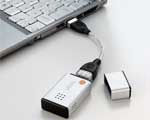
Due to the size of only 68 x 30 x 13 mm, the MF-DU204G - Elecom's smallest mobile hard drive in the world - is easy to lose but the password setting feature will ensure…
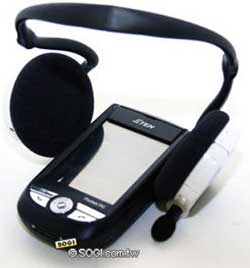
The world's smallest Pocket PC hybrid PDA lets you access the network from any Wi-Fi hotspot that is already on the market. The E600 M600 is based on the Windows Mobile…
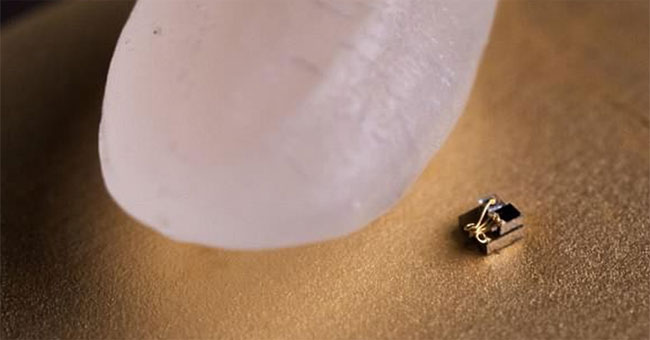
With that size, this tiny computer is completely blocked

Researchers at ETH, Zurich, Switzerland have developed a device
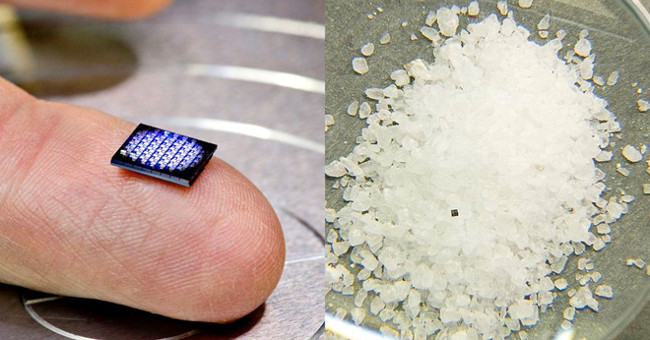
Despite its small size, this computer has the computing power of x86 chips since 1990.

Making a 1: 1 engine block from waste is hard enough and requires more investment, more elaborate.

Robot of Vietnamese author group weighs only 1gr, easy access to complex terrain to support search, rescue, exploration ...
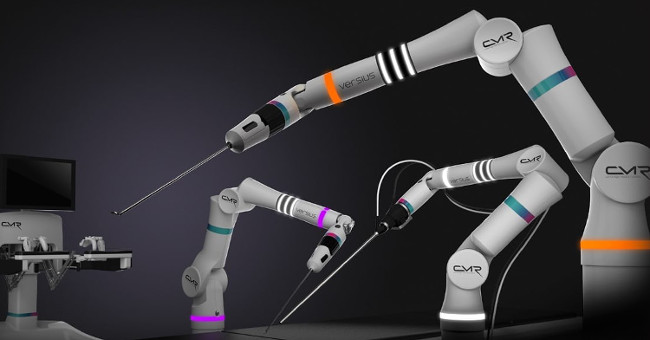
According to the manufacturer - 'Cambridge Medical Machine Company' (CMR) - this robot is controlled by a surgeon via a console and a three-dimensional screen in…

Stanford scientists created a three-atom-wide wire with self-aligning diamond crystals.

Recently, a Japanese company called Rimono has launched electric cars with a shell made of ... fabric.

Simulating the behavior of insects in nature, Harvard's micro-robots are considered to be extremely effective spy, search, and rescue.

British scientists have successfully engineered a few billionths of a meter of nanotube-powered light.