
Photo library
Ultra-sharp images of the solar system captured by the camera
The photos were taken by graphic designer and amateur astronomer Alan Friedman, from New York (USA). Using only a 6 megapixel camera and a $ 5,000 telescope lens, combin…
Browse ScienceInfo articles and explainers related to Solar System.
420 published items.
The photos were taken by graphic designer and amateur astronomer Alan Friedman, from New York (USA). Using only a 6 megapixel camera and a $ 5,000 telescope lens, combin…
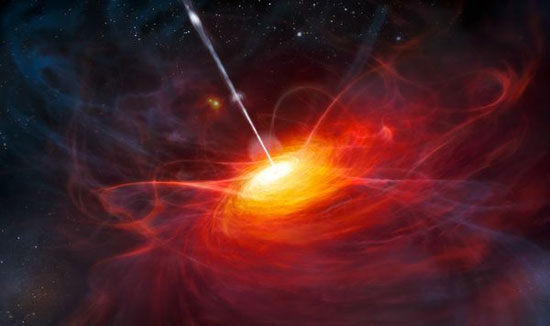
Admire the most beautiful cosmic images posted in National Geographic magazine in the past week.
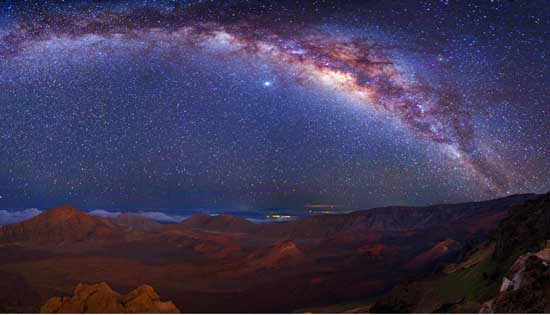
Admire the best photos taken by astronomers from around the world to capture the heart of our Milky Way galaxy.
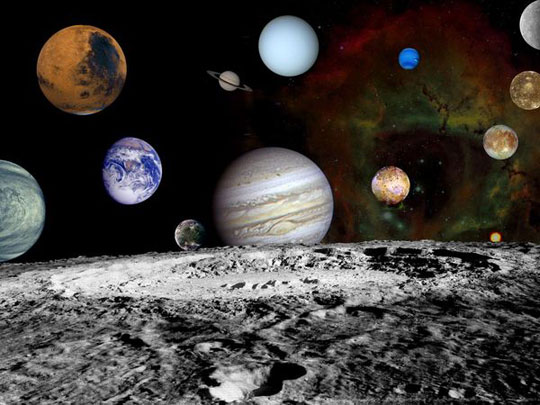
The Solar System (also called the Solar System) is a planetary system with the Sun at the center and celestial bodies within the Sun's gravity range, ...

The 2015 BZ509 asteroid orbits the Sun and has an orbital reverse with most other objects in the system.
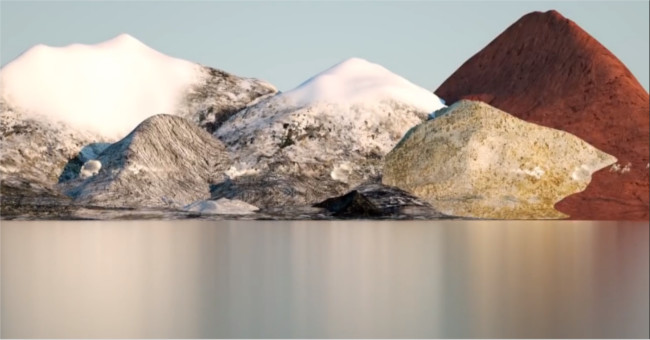
Rheasilvia Mons on the asteroid Vesta is the highest mountain in the Solar System, 2.5 times higher than Mount Everest on Earth.
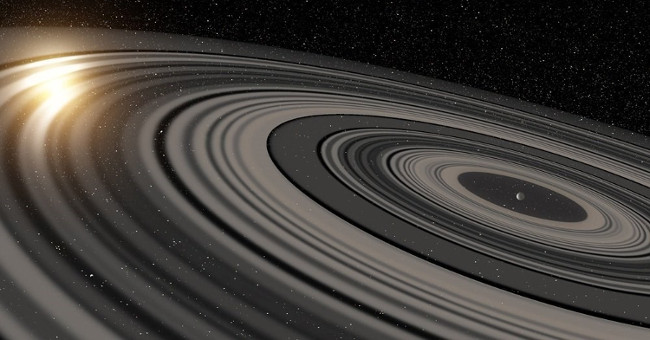
Saturn rings or rings of Saturn are always considered one of the most impressive wonders in the solar system.
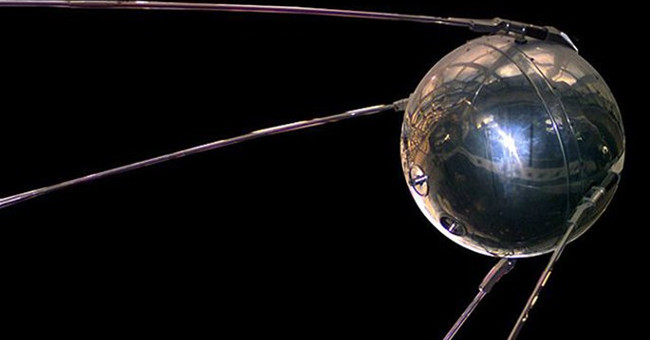
After 60 years of effort, humans have taken the unmanned spacecraft to touch the belt of the Solar System.
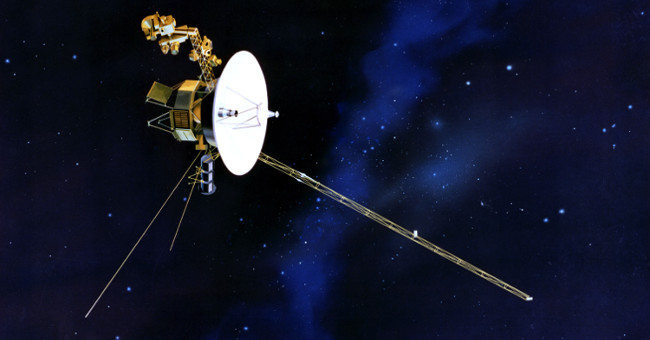
The Voyager 2 spacecraft is an interplanetary unmanned spacecraft launched on August 20, 1977
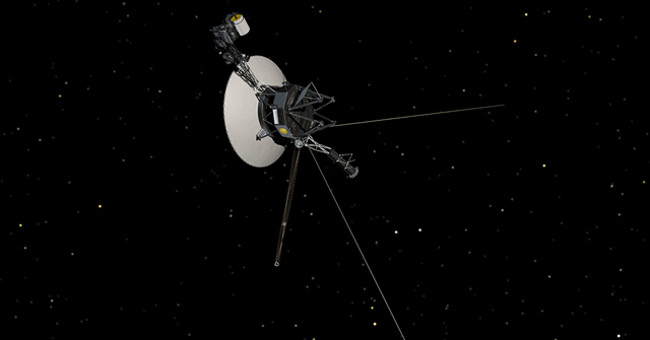
NASA's Voyager 1 and 2 train duo continue to transmit data to Earth after 40 years of flying into space despite the distance.
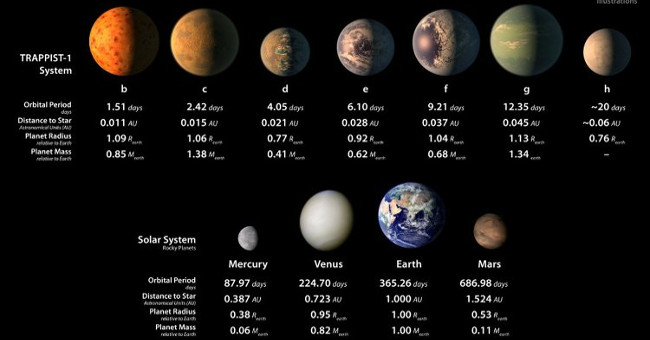
As we know, at 1am on February 23, 2017 (ie 13h on February 22, 2017), NASA had a press conference to announce exoplanets - planets outside the solar system.
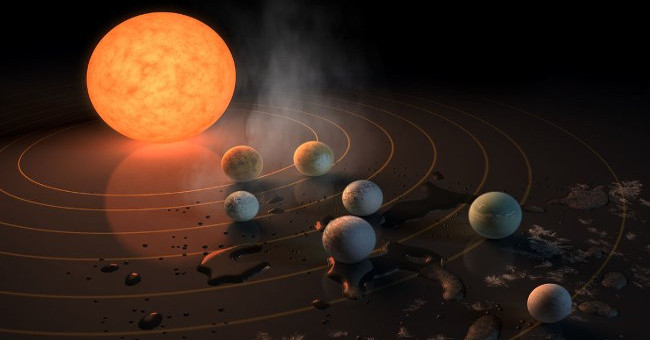
This dwarf system is about 39 light-years away from Earth. How long does it take for NASA's Space Shuttle or New Horizons spacecraft to get there?
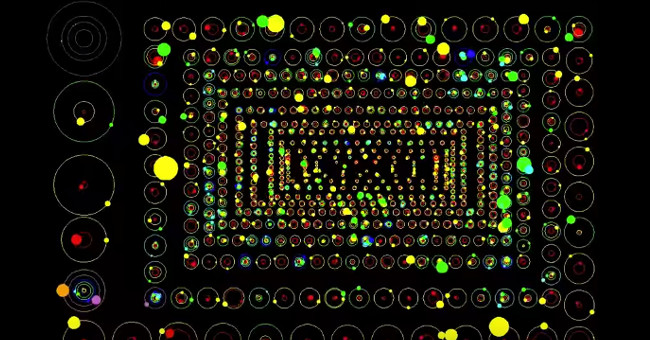
With the help of the Kepler space telescope, scientists at NASA discovered more than 1700 planets outside the solar system.
When we were young we were taught that the Sun stood still, Earth and planets, another star in our solar system orbited around it.
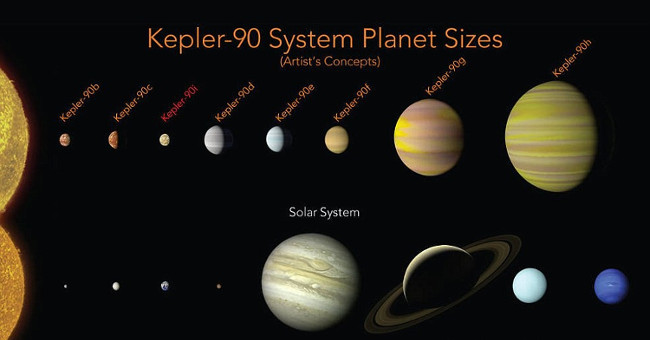
This new discovery, it officially raises the number of spheres that rotate a star with our solar system.