
New technology
Solar shirt can charge smartphones
The combination of wearable technology and clean energy promises many applications, and most recently, the appearance of a shirt capable of charging smartphones.
Browse ScienceInfo articles and explainers related to Solar.
2,143 published items.
The combination of wearable technology and clean energy promises many applications, and most recently, the appearance of a shirt capable of charging smartphones.
Solar technology innovations have helped create an aircraft that can harness enough light to fly across the continent like Solar Impulse.
The summer is about to come, in the hot and hot summer season, it will be comfortable to rest under the shade of the shade of canopy.
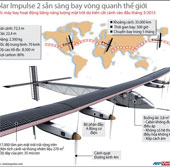
The solar-powered Solar Impulse has the same wingspan as a Boeing 747, but weighs only a small car.
New way to filter light: For the first time, it can provide a selective way of direct light waves.
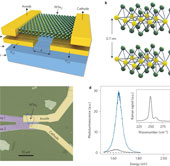
Graphene, germanium, and many other elements have become a fascinating field of research for scientists to create materials for the future.
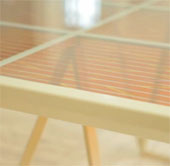
When you were in high school, you were taught about photosynthesis on greenery. But have you ever thought that a phone can someday be charged by absorbing sunlight?

Many houses in the Netherlands are built as terraced fields, creating a unique urban landscape of this country.
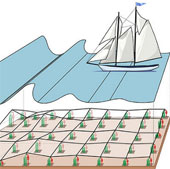
For the past five years, Professor Peza Alam and a team of scientists at the University of California, Berkeley, have successfully researched how to create a mechanical…
The new era of smart battery generation is approaching, as the source of the charge may be solar, TV or even home Wi-Fi.
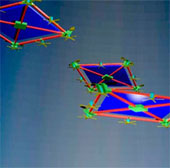
For a British company, stealth aircraft are not simply Amazon's delivery vehicles, but can also become mobile power plants in the sky.
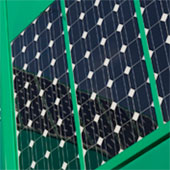
Researchers at Queen Mary's College and London's Imperial College have said they have developed a solar cell that can generate electricity by both sunlight and s…

Scientists at Singapore's Nanyang Technological University (NTU) have uncovered a new way to make solar cells more efficient and cheaper.
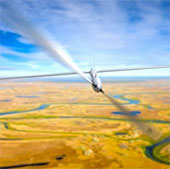
Operated by solar energy, Titan Solara version 50 weighs only 159 kg and can fly continuously for 5 years without refueling.
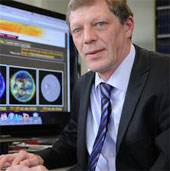
When solar storms hit the earth, the grid and satellites can suffer heavy losses. So researchers have developed an early warning system of weather on the universe.