Space science
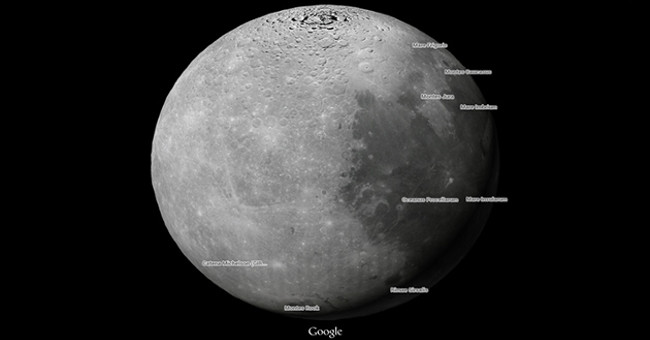
How to see the Moon, Mars with Google Maps
This is not the first time Google has integrated an interesting feature into Maps, and it is not right to deny Google indifference to the cosmic problem.
Browse ScienceInfo articles and explainers related to Solar.
2,143 published items.
This is not the first time Google has integrated an interesting feature into Maps, and it is not right to deny Google indifference to the cosmic problem.

The following article will give you the knowledge of the Kuiper belt in the Solar System, would you please consult?
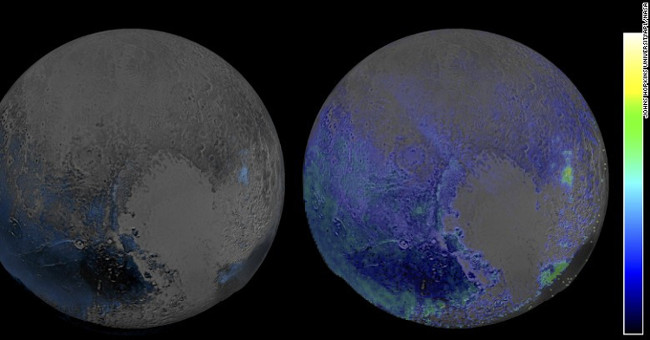
Over the years, NASA has deployed a series of space missions with the ambition of exploring the mysteries in the Solar System, where the Earth belongs.
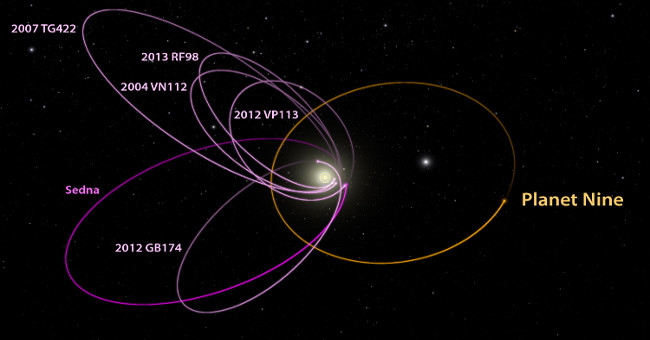
According to the Daily Star, those who believe in conspiracy theory and scientists once mentioned a mysterious X planet, located three or four times the distance from th…
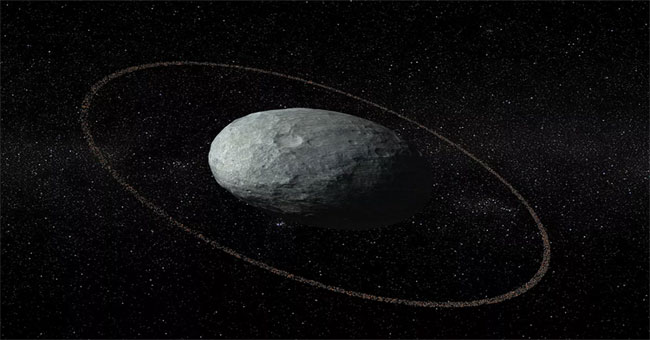
Astronomers at the Andalusia Institute of Astrophysics, Spain, and colleagues discovered a large belt around the Haumea dwarf planet outside the orbit of Neptune.

To protect the Earth from the threat of solar storms, US scientists propose to install a shield from the large-scale IB Times outer-field field on October 3.
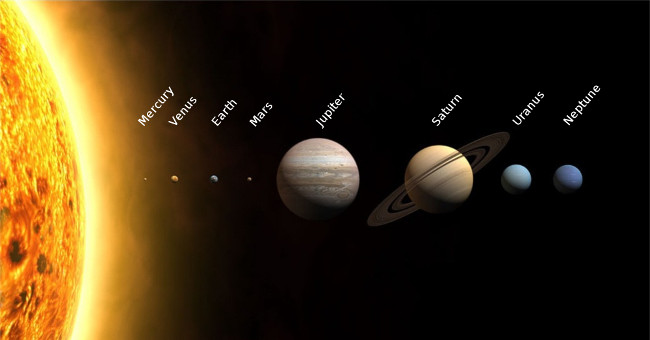
Since the discovery of Pluto in 1930, school-age children will learn about nine planets in our solar system.
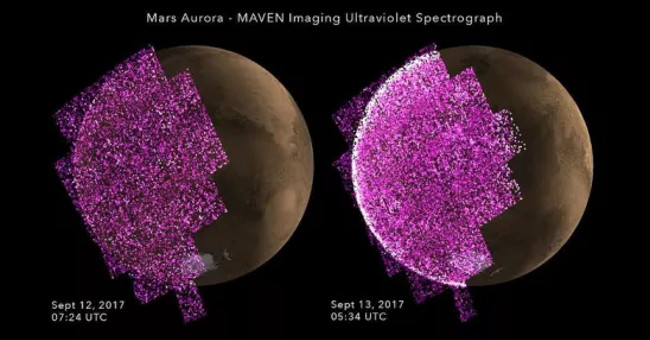
The event is caused by an intense solar wind sweeping through Mars, causing the planet's radiation level to peak.
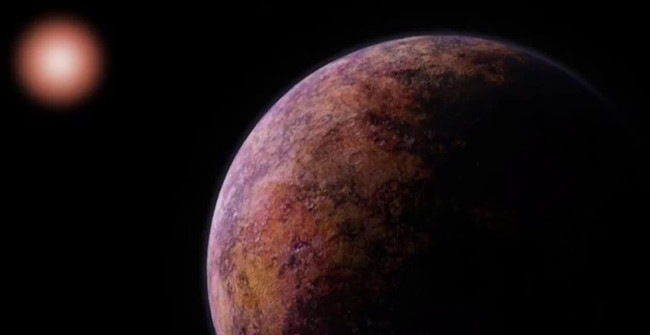
Adding a dwarf planet that just appeared in the Solar System caused a stir in the scientific world.

The probe is about the size of a small car, will fly around the Sun at a distance of 6 million km, where the heat is about 1,300 degrees Celsius.
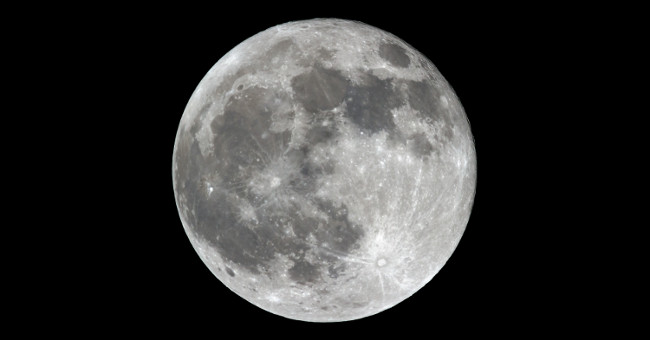
The south pole near the south pole of the Moon has won
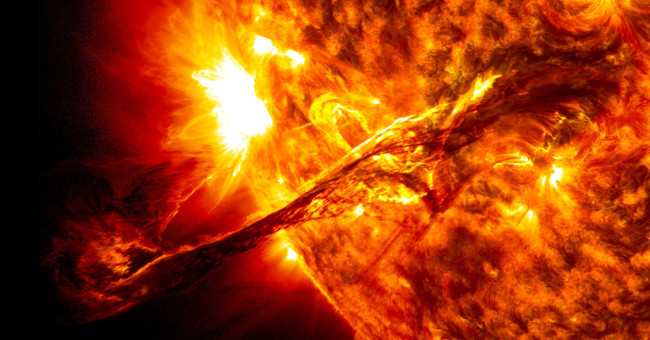
To answer this question, we must know the exact temperature and the factors that influence the Sun and Earth.
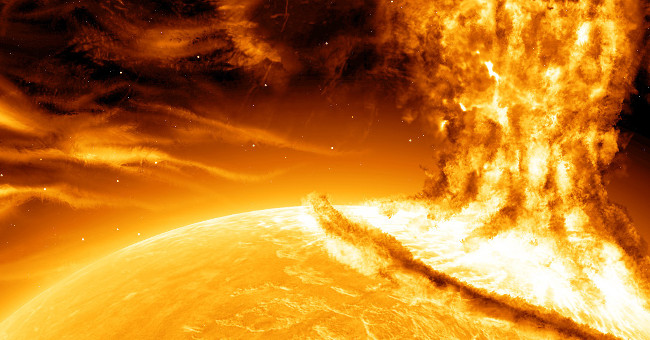
The Earth was fortunate to avoid the strongest solar storm in 150 years, capable

Understanding these numbers allows us to prepare carefully for space travel, especially the mission to enter deep space and land the planet.
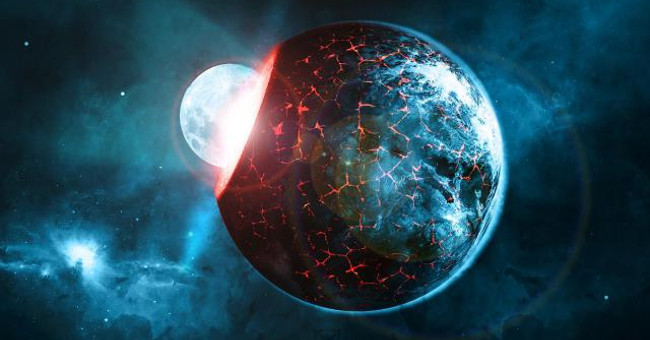
For more than a century, astronomers have always suspected that some giant object is lurking on the edge of the solar system.