
Space science
What Can Exoplanet Atmospheres Tell Us?
Exoplanet atmospheres can reveal molecules, temperatures, clouds, circulation and clues to a planet’s formation, climate and possible habitability by imprinting chemical…
Browse ScienceInfo articles and explainers related to Spectroscopy.
21 published items.
Exoplanet atmospheres can reveal molecules, temperatures, clouds, circulation and clues to a planet’s formation, climate and possible habitability by imprinting chemical…
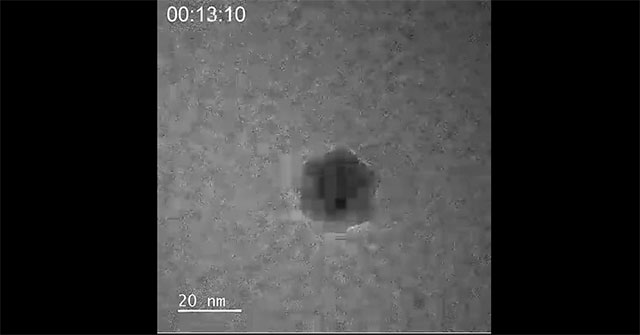
Thanks to a new technique, scientists have directly observed nano-sized water bubbles forming with a palladium metal catalyst for the first time.

NASA scouts the universe with a device with a 36-pixel sensor, a truly unbelievable number in an era when normal smartphones can take photos containing tens of millions…

Signals of the rate of change in the universe were detected by the Dark Energy Spectroscopy Instrument (DESI), located atop the telescope at Kitt Peak National Observato…

The Tully monster is known to be one of the most controversial ancient creatures because for decades no one has been able to explain exactly which species.

Using fluorescent X-ray spectroscopy to consider Leonardo da Vinci's multi-layer painting technique is the latest way for scientists ...

According to the latest research published in the German journal Naturwissenschaften, scientists found that sharks are unable to distinguish between colors.
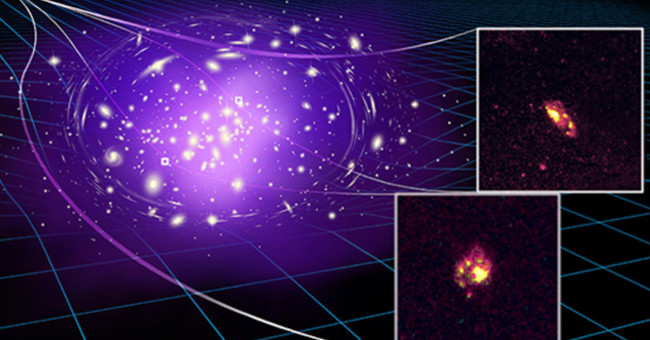
This is the oldest galaxy ever discovered, formed only 2.6 billion years after the Big Bang. The results are published in Cornell University's online library, USA, on Oc…

US researchers created a gamma-ray spectrometer device that can search for rare metal deposits such as gold and platinum on meteorites.
After a period of operation, this nuclear spectrophotometer has recently yielded a surprising result. It not only found a black hole, but 10 black holes in the center of…

More than 200 delegates, of which 60 international delegates attended the 6th National Spectrum Optical Conference, from 8 to 12 November in Hanoi.
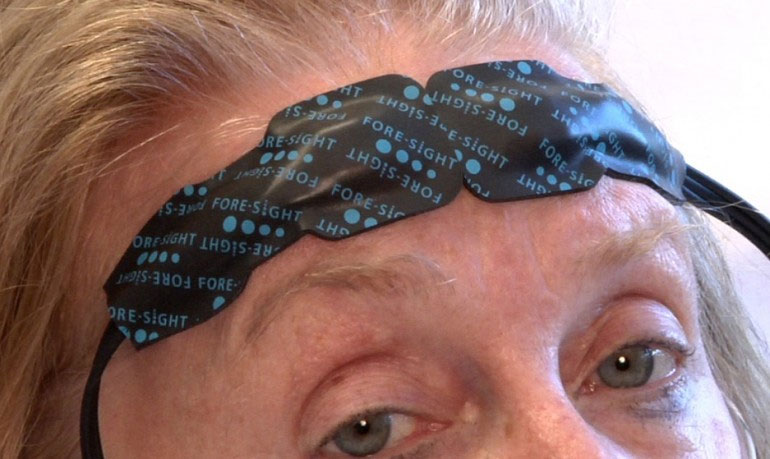
For patients with stroke, it is very necessary to be hospitalized under the care of physicians. In the course of treatment, up to one third of patients have a second str…
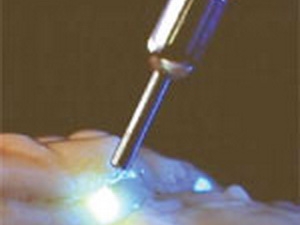
According to US scientists, Raman lasers can replace X-rays, becoming a method of diagnosing diseases that are not invasive.
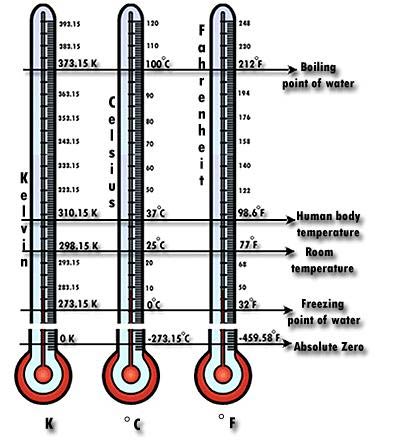
French physicists have made a direct measurement of the Boltzmann constant by laser spectroscopy. This new technique involves observing the light absorption of ammonia (…
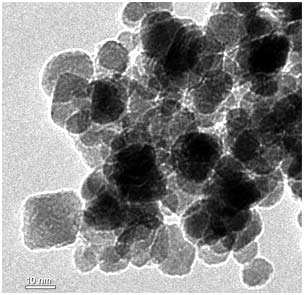
New studies on nuclear magnetic resonance spectroscopy (Nuclear Magnetic Resonance-NMR) of a magnetorheological nanofluid can help scientists distinguish healthy cells a…