Discover science
How is the baby created?
Researchers have just made a breakthrough discovery, which helps explain exactly how fertilized eggs are to create embryos.
Browse ScienceInfo articles and explainers related to Sperm.
416 published items.
Researchers have just made a breakthrough discovery, which helps explain exactly how fertilized eggs are to create embryos.

Using an extremely advanced medical simulation technique, American image maker Alexander Tsiaras has produced an extremely elaborate video, revealing the summary but ful…


Each time 'sublimation', men can produce up to 200 million sperm cells. However there are many interesting things about these 'tiny swimming tadpoles' that you may not k…

The twins are two individuals developed from a mother's pregnancy. They may be completely alike in appearance, have similar thoughts or personalities.

A new study suggests that emotions throughout our lives also affect our children.

Scientists say, the older you are, the more likely a man will be born with less intelligent children.

French doctors have found that sperm quality begins to deteriorate from the age of 35, so when a 45-year-old man is one-third of the pregnancy will lead to miscarriage.
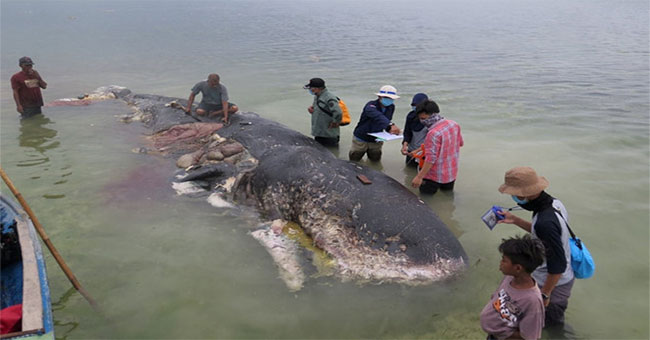
A sperm whale drifted into the Sulawesi coast, in the stomach with flip flops, bottles, bags, 115 plastic cups and 1,000 plastic pieces.
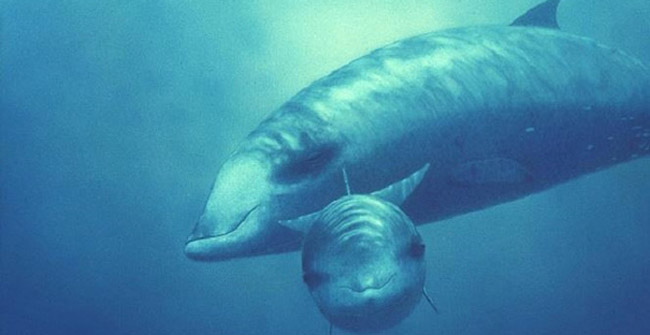
Previously, the record of the world's deepest dive mammal belongs to the whale fish and runner-up is the statue. However, this record was changed in March 2014 when a gr…
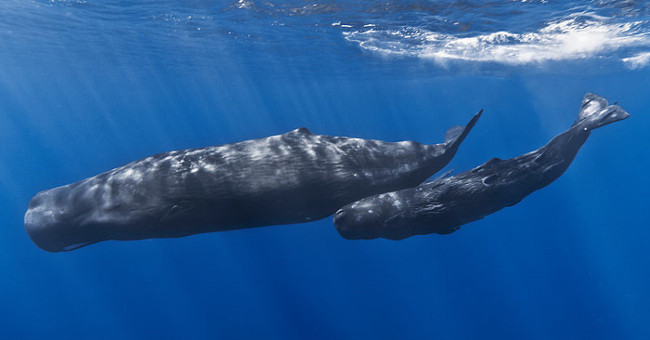
The sperm whale, the largest predator on Earth, weighs up to 8kg while their hearts weigh up to 125kg.

There are many species of whales of different sizes, but generally, all are giant creatures living in the ocean, the tycoons of the sea.
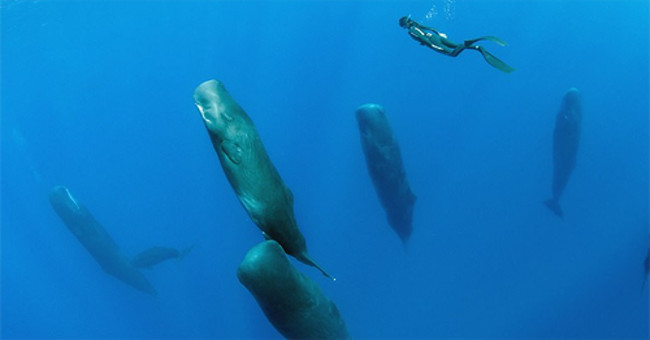
The sperm whale, the largest toothed animal on the planet, spends about 7% of its life time sleeping in an upright position. Each time their naps take 6 to 25 minutes.

Three Omani fishermen discovered the vomit of sperm whale, also known as ambergris, weighing 80kg, worth up to three million USD.
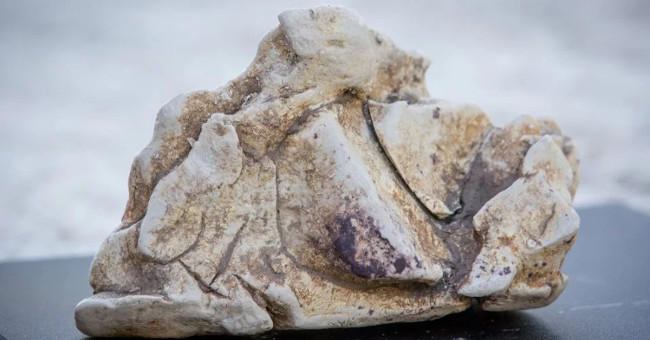
Two British fishermen picked up wax-like gray objects, most likely rare rare ambergris that cost tens of thousands of dollars.