Discover science
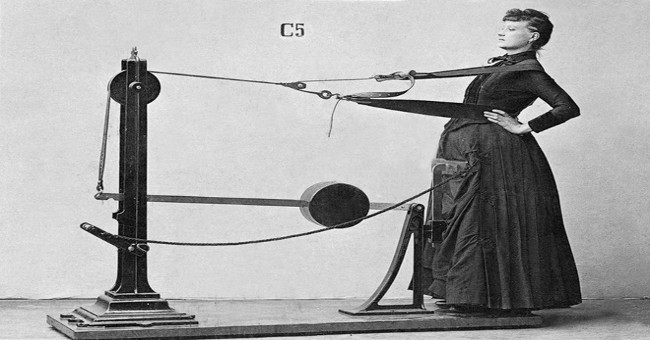
Man's gym machine 100 years ago
The machine, built by Gustav Zander (Sweden) in the 19th century, makes people more active and a precursor to modern gymnastics.
Browse ScienceInfo articles and explainers related to Sport.
251 published items.
The machine, built by Gustav Zander (Sweden) in the 19th century, makes people more active and a precursor to modern gymnastics.

Since athletes started using doping in competitions, sports officials have always had a headache to try to expose this fraud.
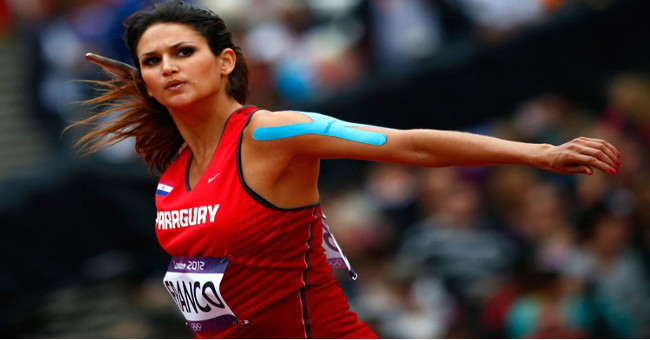
This odd act is of no use or just one way

Many interesting things about football below made many people surprised.

In the past, humans have made quite subjective assumptions, only based on observation to explain some strange events and phenomena.
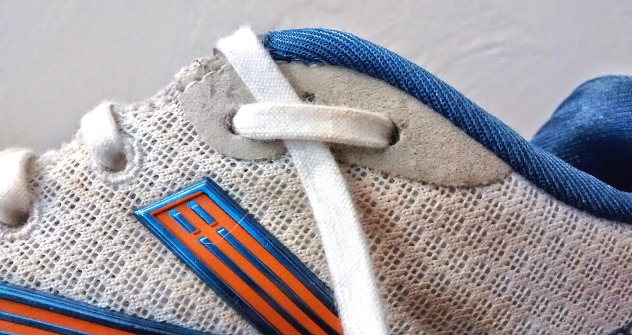
It seems useless, but two small holes on the sneakers have great use, but few people know.
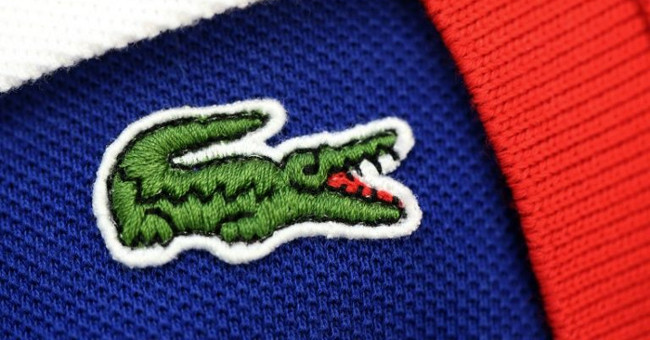
Sports brands like to use animal-shaped logos to easily send messages to their customers.

What determines success is not an athlete with an innate talent, but a position of their umbilical cord compared to the rest of the body.
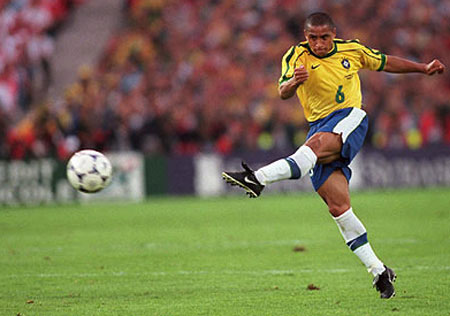
13 years have passed, but football lovers still remember the seemingly impossible free kick of Roberto Carlos, the Brazilian football player.

On your baby, have you ever been curious to break the favorite radio of your grandparents or the old speaker of your house to discover a small magnet attached in the sou…
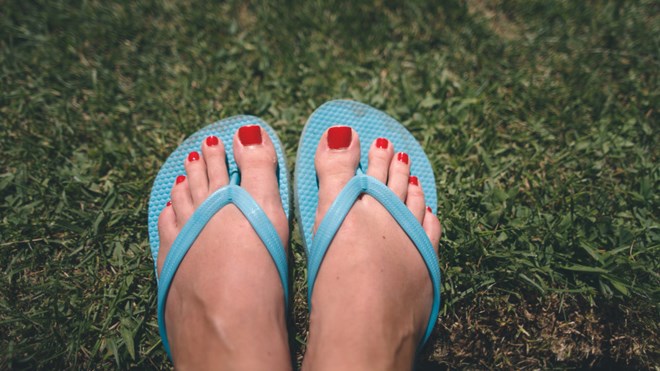
In hot summer weather, shoes must always meet the basic requirements of being comfortable to the maximum, but not all comfortable footwear is good for your health.

Watching a match Calcio Storico will keep you from being shocked and dumbfounded when you see players trying to assassinate each other on the field.
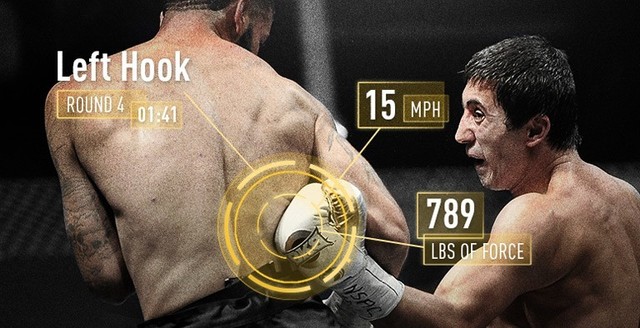
Super classic match of boxing world as well as sports village in general between Mayweather and Pacquiao just took place on Sunday last.
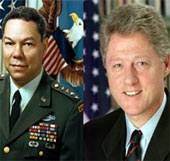
We can know if someone is a leader simply by observing their facial features, according to a new study.
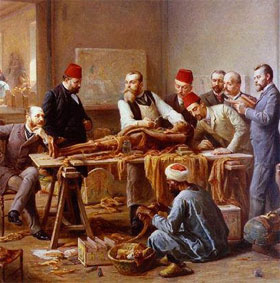
Party mummies, collect ferns, go for a walk or hire a garden hermit are the world's top entertainment trends in the 18th and 19th centuries.