
Cancer
Detection of cancer infection in clam oysters
Contagious cancer cells are becoming increasingly popular among animals and marine life, sparking fears that the disease can spread from one person to another.
Browse ScienceInfo articles and explainers related to Spread.
1,023 published items.
Contagious cancer cells are becoming increasingly popular among animals and marine life, sparking fears that the disease can spread from one person to another.
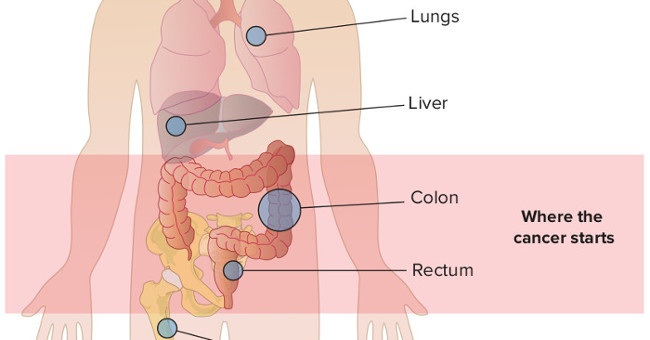
Metastatic cancer is the cancer that has spread from where it started to somewhere else in the body. The most common metastatic site of cancer is bone, liver, and lung.

Doctors in the United Kingdom conduct a new injection of a vaccine that allows the immune system to attack cancer cells and prevent them from spreading throughout the bo…

Kiss has surpassed smoking and drinking alcohol to become the leading risk factor for head and neck cancer in the world.

Eat less beans, less salt and vinegar, seasoning with spices like garlic, ginger, lemon ... help prevent cancer.
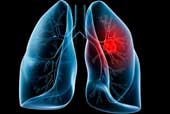
Cancer cells in a tumor (including metastatic cells) all come from a single cell that divides into cells. Therefore a cancer can be classified according to the type of c…
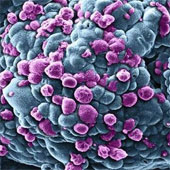
According to scientists, this mechanism is an important vital factor to understand why the cancer spreads in the body.

On February 4, the Japanese government issued a health warning to the people when dense dust from China attacked the country.

Scientists have discovered a protein, produced inside cells, that suppresses the growth of prostate cancer cells, promising new treatments for the disease.
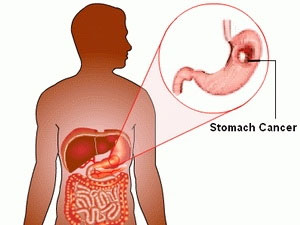
Scientists at the Korean Catholic University on June 17 said they have discovered a natural protein that can prevent the development of stomach cancer cells.

Chinese scientists have found two proteins that can help accurately predict the spread of colon cancer.

US scientists have identified three types of genes involved in the process of breast cancer cells spread to the brain.
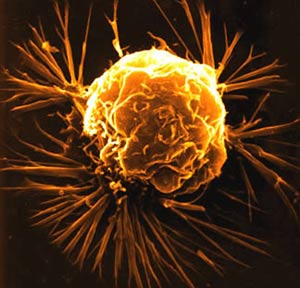
Cancer researchers have identified a set of genes that they believe could promote the spread of breast cancer to the lungs. This finding helps explain the steps of breas…
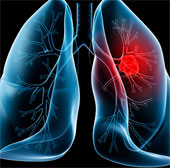
Lung cancer is the most common cancer worldwide and accounts for the largest number of cancers (more than 20%) with an increase of 0.5% each year.
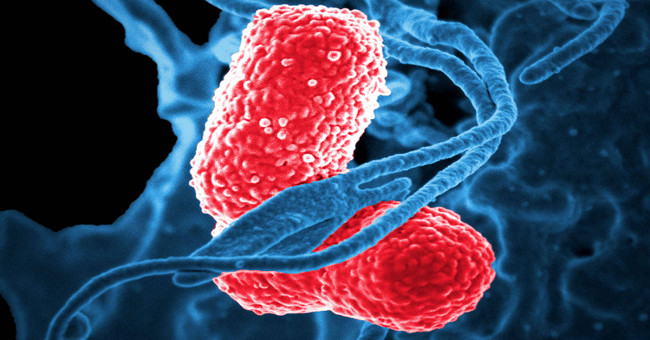
Harvard University's team warns, antibiotic-resistant bacteria are diverse, active, widespread, silently transmitted without any sign of recognition.