Archeology
What is the red liquid 16,000 people want to drink in Egyptian coffins?
According to New.com.au, red liquid decomposes 3 mummies in a coffin made of black granite in Alexandria, Egypt.
Browse ScienceInfo articles and explainers related to Stone.
1,260 published items.
According to New.com.au, red liquid decomposes 3 mummies in a coffin made of black granite in Alexandria, Egypt.
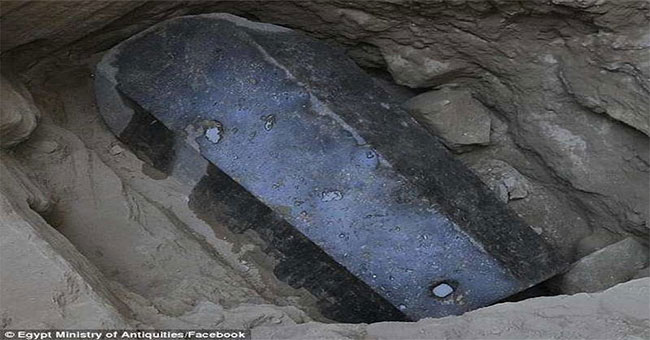
The giant stone sarcophagus buried deeper than 4.9m next to a giant gemstone stone head - may belong to the man who owns this grave.
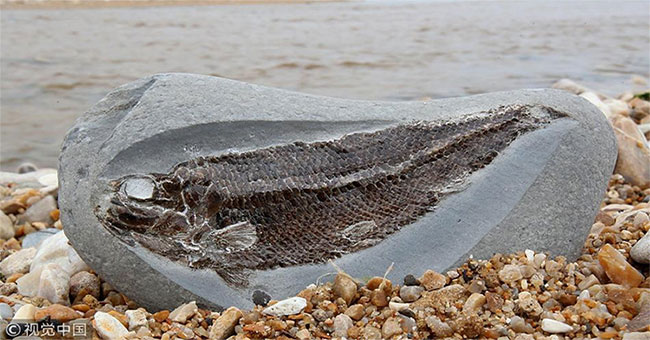
Recently, Helena Ashby, a 5-year-old girl in Dorset, England, while walking and playing on Jurassic Beach, Charmouth suddenly found a precious fossil dating back to 190…
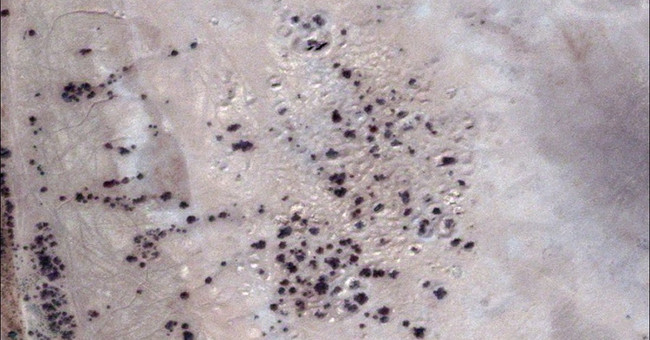
Many stone carvings in the piece of antiques that were handed to Iraq in May 2016 led scientists to search for the missing city of Irisagrig.
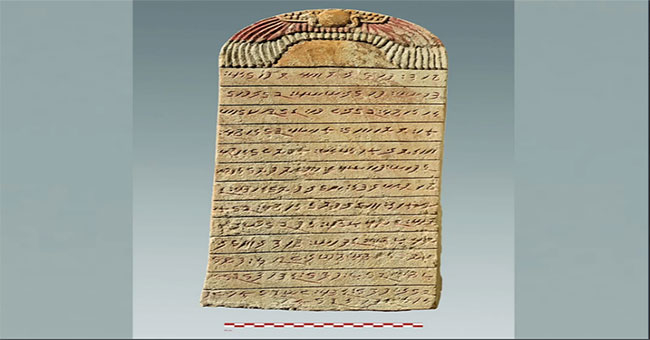
Meroitic is the oldest written language in the southern Sahara region where humans are currently only partially decoding. N
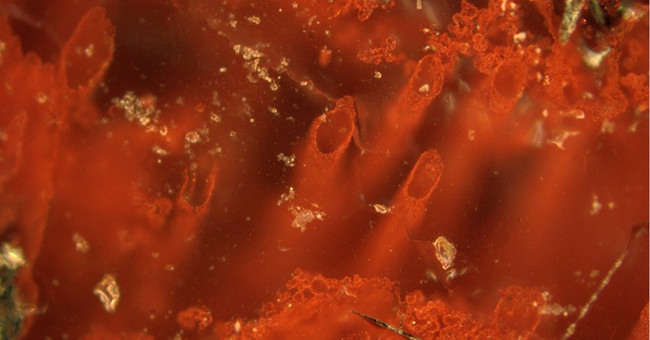
About 35km north of Inukjuak - an Inuit village in northern Quebec - about 35km there is an unusually rising rock strip from the ground.
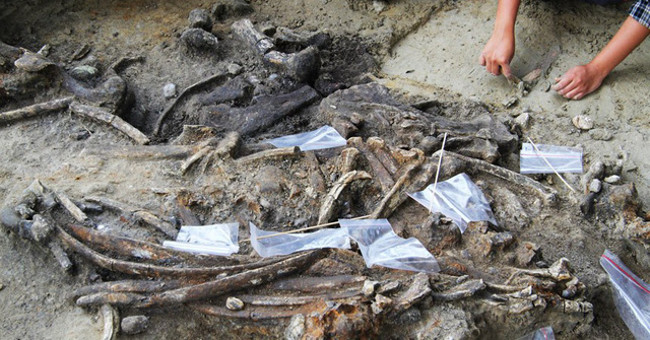
According to scientists' writings, scattered stone tools in heaps of hippopotamus show that they came to the Philippines archipelago about 709,000 years ago.

Solar stones are translucent mineral crystals, throughout the Icelandic Islands (Iceland), capable of passing the polarization of light and becoming a
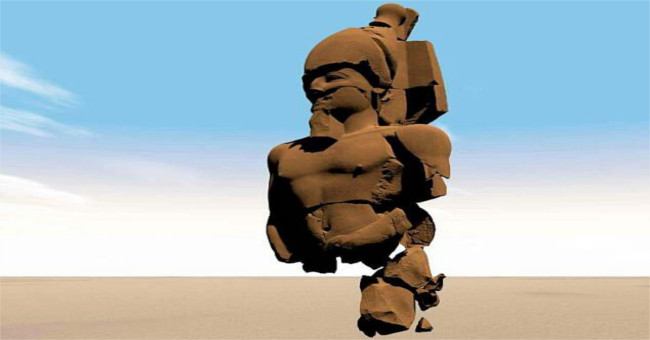
Fragments of Egyptian statue of phamaoh Psamtik I date at least 2,500 years old.
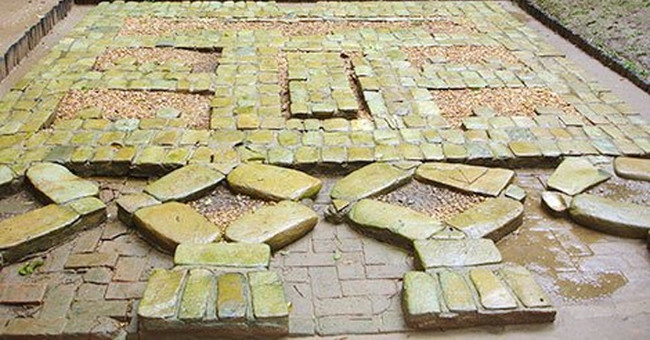
Before Europeans discovered America around the XV-XVI century, there were many civilizations appeared, developed and died out on this land.
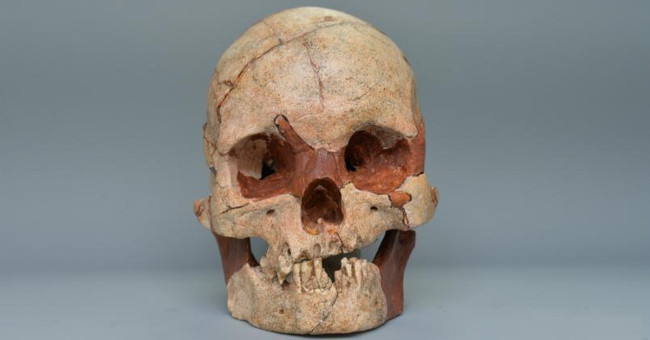
Chinese archaeologists found a skull fossil dating back about 16,000 years and almost intact in Long An district, Guangxi province.
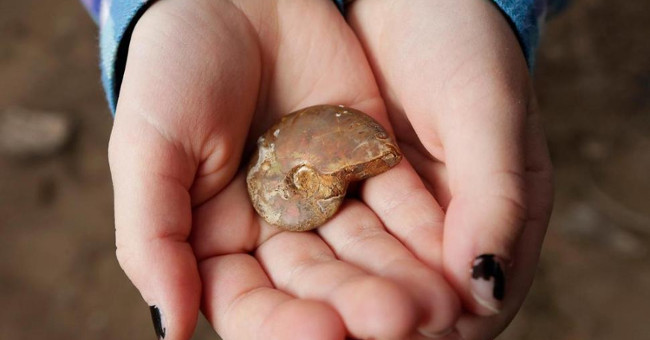
The strange object was discovered by the girl Naomi last fall, when she followed her mother to the soccer field and wandered to play alone.
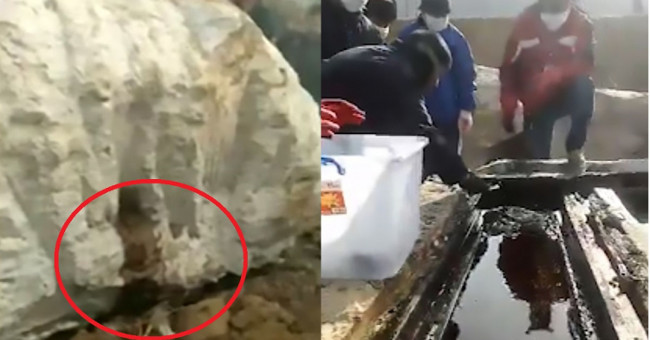
Villagers in Hebei, China discovered that the rock was flowing out of blood like blood when starting a construction.
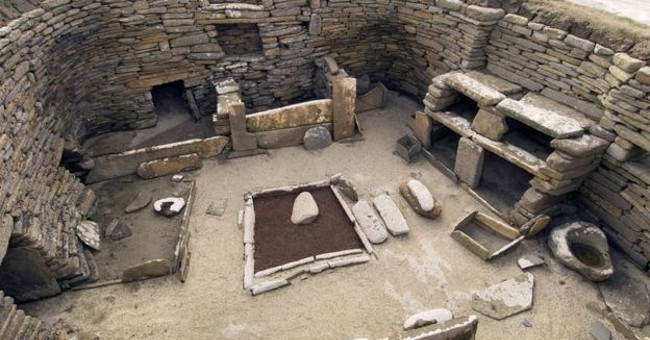
The oldest group in the Stone Age, supposedly built on works like Stonehenge, left only 10% of genes in the inhabitants of the British Isles.