Space science
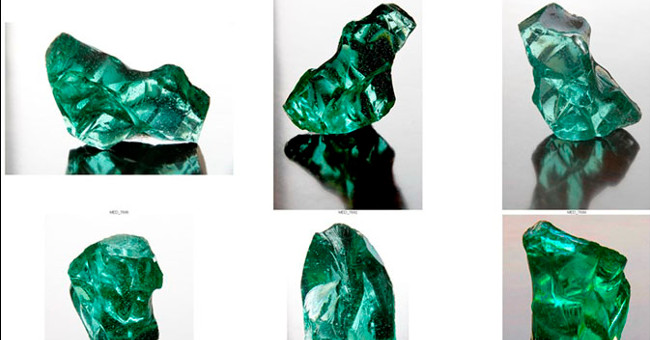
Meteors bring blue stones like emeralds to Earth
The blue stone that resembles emeralds may have come to Earth through the largest meteorite explosion in human history.
Browse ScienceInfo articles and explainers related to Stone.
1,260 published items.
The blue stone that resembles emeralds may have come to Earth through the largest meteorite explosion in human history.
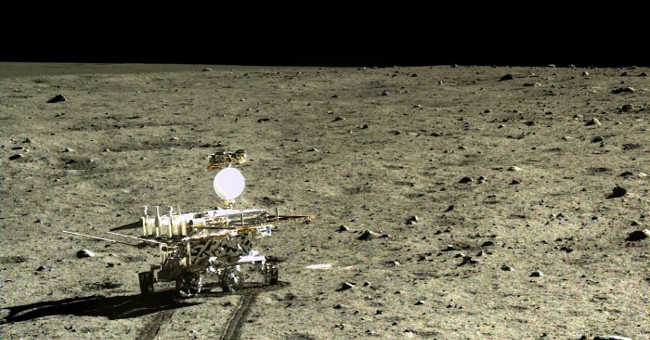
China's Jade Rabbit self-discovery device discovered a new basalt while searching for minerals on the Moon's surface.
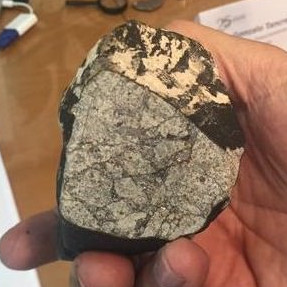
On November 15, the Uruguayan National University (Udelar) said a meteorite had pierced the ceiling of a house in Maldonado Province, in the southeastern part of the cou…
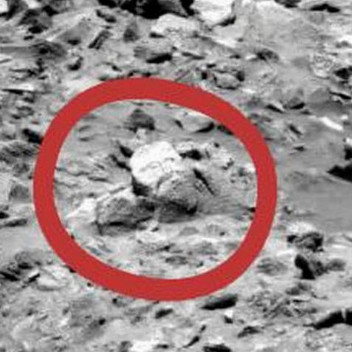
Again, imaginative people believe that they have seen signs of life on Mars. This time, it was a rock like a man with a beard that was impressive.
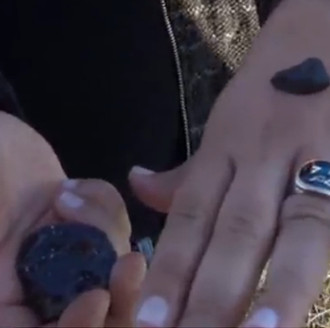
Residents in the eastern village of Turkey earned more than $ 350,000 from the sale of meteorite debris to the area in September.
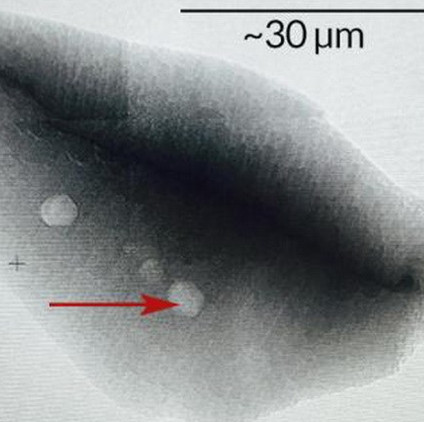
Life may have existed on Earth from 4.1 billion years ago, not just 3.8 billion years as previously estimated.
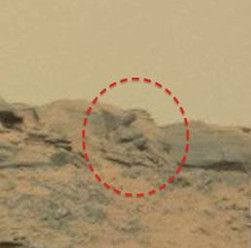
UFO enthusiasts have played a stone shaped like a Buddha statue on the surface of Mars.
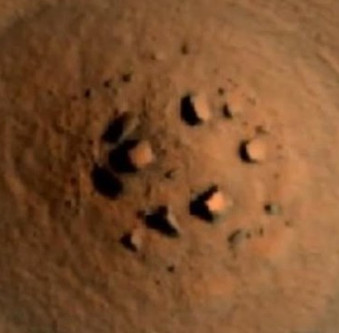
A UFO hunter on the video sharing site YouTube is named Mr. Enigma has confirmed that it has discovered a rock population on Mars that resembles an unusual monument of S…
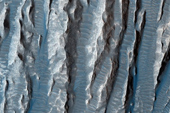
The latest science news on ABC (Australia) reports that the Mars Reconnaissance Orbiter (MRO) has discovered that the canyon has rocks like grayish green fingers on the…
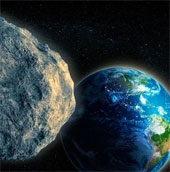
A stone tablet is as big as a mountain flying close to the globe every 3 years and it can collide with the green planet within 150 years.
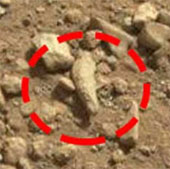
Mars probes once recorded many images that shocked the audience because they carried a woman's figure, a skull fragment or a human face.
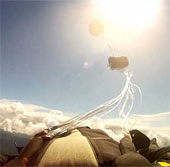
A Norwegian paratrooper was almost hit by a meteorite when it was rushing towards Earth.

Scientists from the US Aerospace Agency (NASA) have discovered a stone that appears near the Opportunity probe on Mars ..
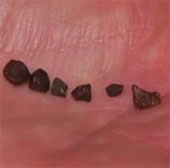
The rare accident happened when a boy playing outside was caught by a meteorite.
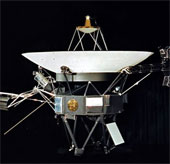
US scientists on September 12 confirmed NASA's Voyager 1 probe was out of the solar system, marking the first time a human spacecraft has gone so far.