
Health
Strange brain disease helps science better understand how the brain receives information
After a long period of research, the scientists created a separate number table that allowed patients to work normally.
Browse ScienceInfo articles and explainers related to Stroke.
254 published items.
After a long period of research, the scientists created a separate number table that allowed patients to work normally.

His large-scale research found that each person's eating style will be related to different types of strokes.
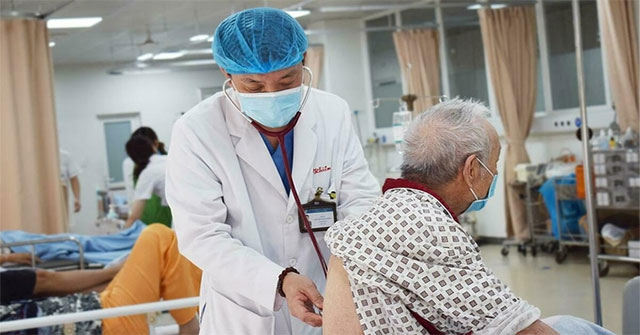
Severe heat can cause edema, rash, cramps or fainting, exhaustion, and heat stroke. Timely treatment helps effective treatment, health protection.
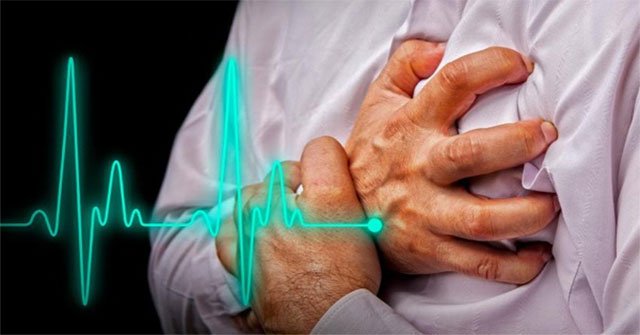
New US research shows that the Covid-19 epidemic can also have indirect effects on other diseases if we do not have good stress management measures.
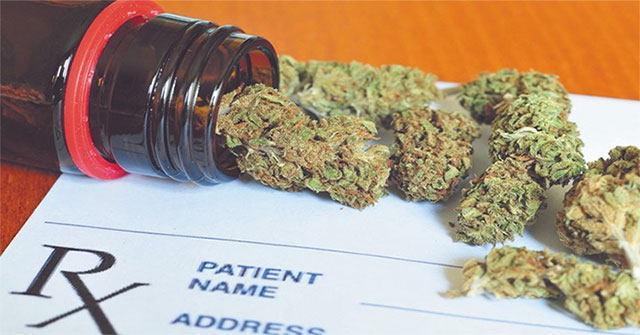
According to the recent conclusions of the American Heart Association (AHA), young people who regularly smoke marijuana will face a much higher risk of stroke than other…

The difference between day and night temperature is too large, which can cause respiratory diseases, heart disease, stroke.
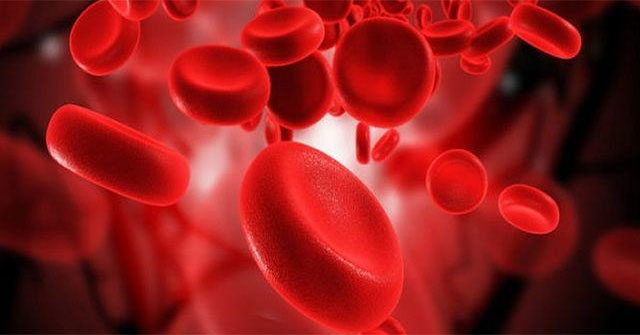
Nowadays, people often hear the word 'thick blood', which means the blood has a high viscosity or blood viscosity syndrome.
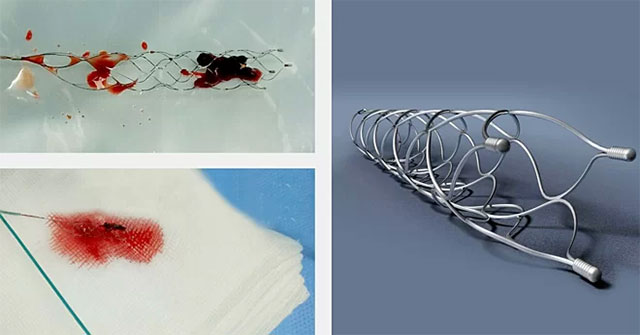
Doctors in Ho Chi Minh City applied Solumbra technology to take blood clots to cause cerebral infarction in 69 year old male patients.
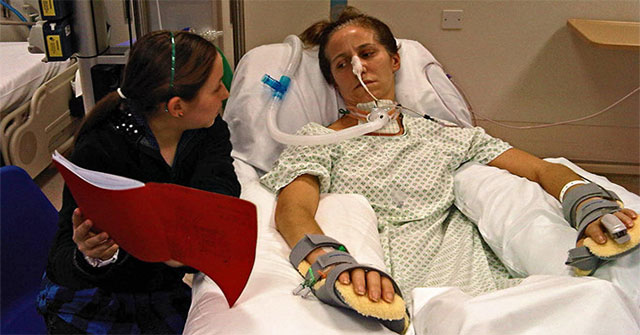
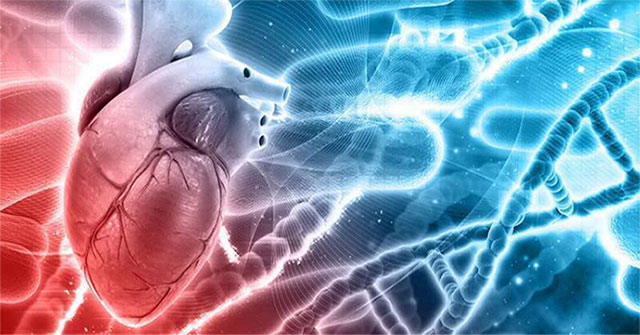
Hypertrophic cardiomyopathy is considered a frequent cause of death for young athletes, who have no obvious symptoms.

You will face the risk of getting into dangerous diseases if you live near the scope of your aircraft
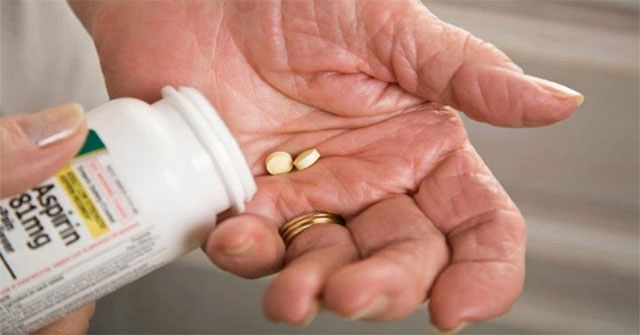
Those who think that taking aspirin to prevent cardiovascular disease or stroke will have to rethink when it was announced recently, aspirin has almost no anti-cardiovas…
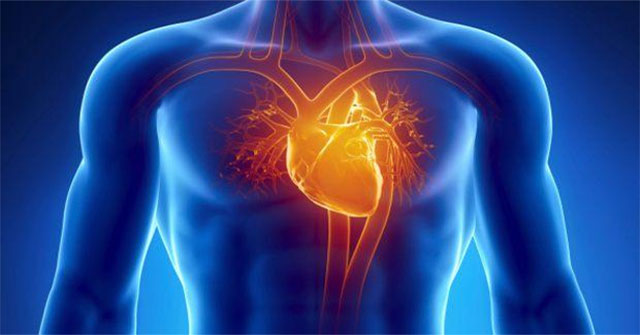
Each year about 7 million people worldwide die from cardiovascular diseases that cause heart attacks and other problems, stroke is the leading cause of death in the worl…
There are four main causes of sudden death: cardiovascular problems, stroke, pulmonary embolism and aortic rupture.
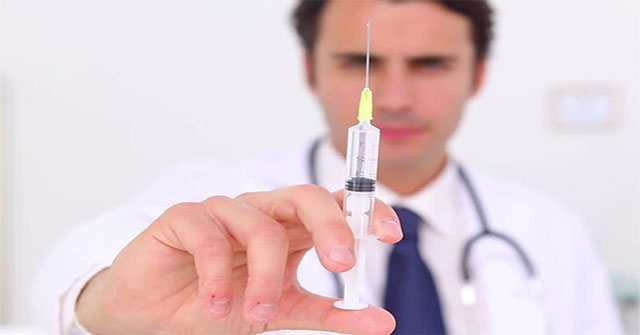
US researchers reversed the damage caused by myocardial infarction by injecting patients with seemingly discarded cells.