
New technology
Robot performed the first kidney transplant in England
Two British patients did not need morphine and quickly recovered from the first kidney transplant performed by a robot.
Browse ScienceInfo articles and explainers related to Surgery.
699 published items.
Two British patients did not need morphine and quickly recovered from the first kidney transplant performed by a robot.
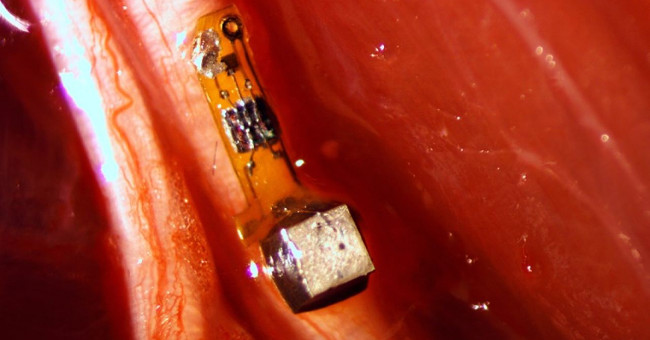
This study can pave the way for communication between the machine and the brain to control prostheses, remote robots as well as create momentum for the development of ne…
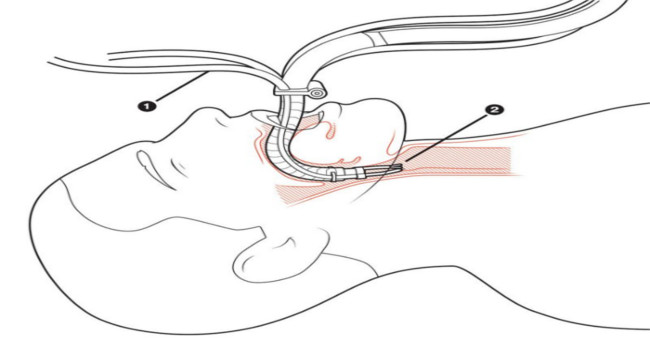
Not only is the solid robot repairing underwater works, robots, and maintenance robots, but now researchers also create a solid robot.
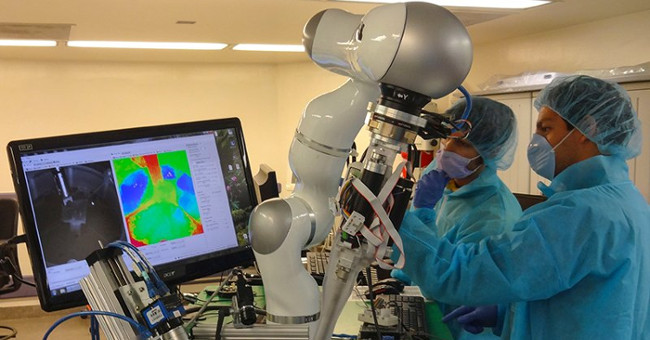
Millions of people around the world are undergoing annual surgery. Many of them unfortunately suffered from complications, sometimes because the surgeon made a mistake.

A chip can be implanted on your brain and it will dissolve itself into the body.
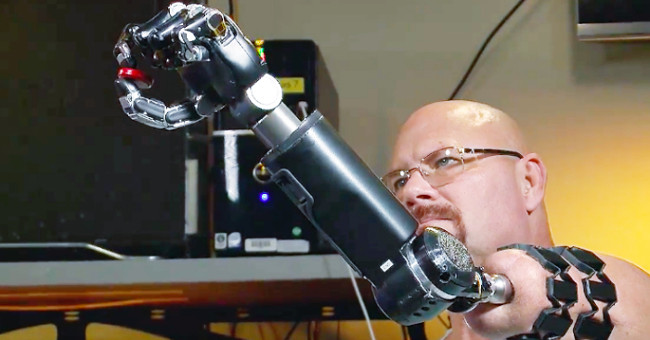
Losing people will undergo surgery to connect an artificial titanium part with their bones.
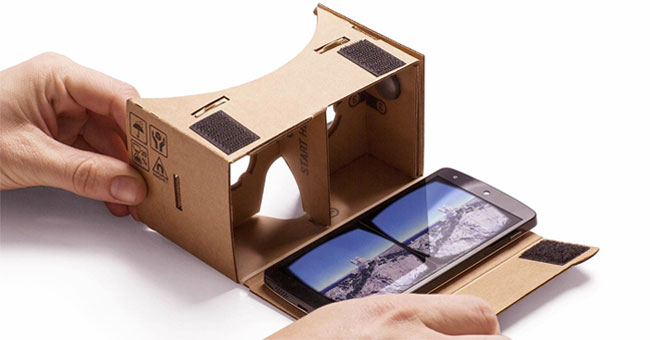
Google Cardboard has proven to be quite a useful application of it.
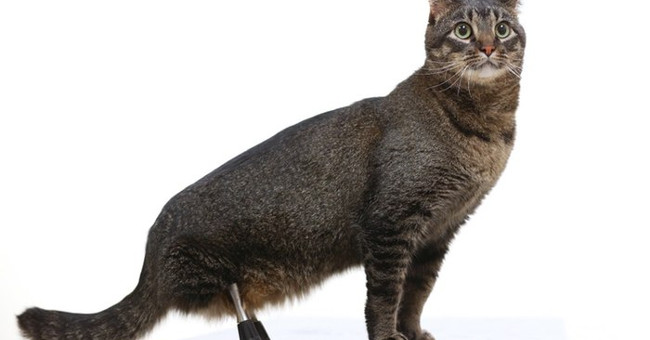
Vincent - a cat found at a young age and without hind legs, has undergone a transplant to restore normal walking.
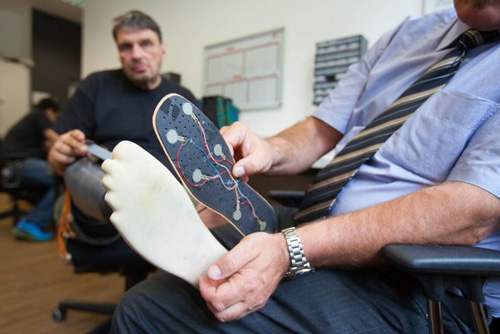
The Woffgang Rangger, an Austrian patient with a leg amputated with a prosthetic device, sends the frequency to the brain every time he walks, making him feel real.
For the first time in medical history, doctors at Stellenbosch University and Tygerberg Hospital (South Africa) have announced successful penile implants.
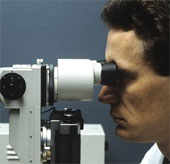
Russian experts have developed a material that can be successfully used in all eye surgeries.
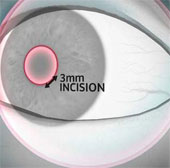
A new surgical approach can help people with poor eyesight bypass the glasses.
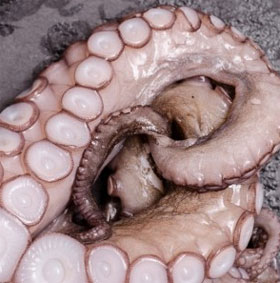
Through the process of studying the octopus species, scientists have found many interesting things and applied them to science and technology, creating amazing innovatio…
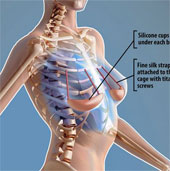
Three British women underwent a new, revolutionary surgery, in which they were fitted with a 'breast enhancer' under their skin to resist the sagging of the first round.

The tiny robots, capable of working inside the astronaut's body, could someday help with emergency surgery to save lives in space.