Oceanography
The deepest fish in the world
Unidentified fish species have been discovered living at depths of more than 8,000m under the Pacific Ocean.
Browse ScienceInfo articles and explainers related to Tadpole.
45 published items.
Unidentified fish species have been discovered living at depths of more than 8,000m under the Pacific Ocean.
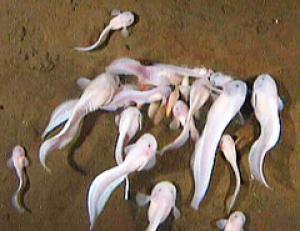
Scientists filmmaking in one of the world's deepest slots discovered a fish-like tadpole (snail) that lives in the flock gathered around the bait.
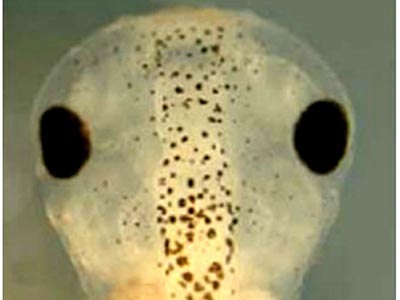
British scientists, Professor Nicholas Dale and Elizabeth Jones of the University of Warwick, England, injected an enzyme into the frog embryo. Strangely, just inject in…
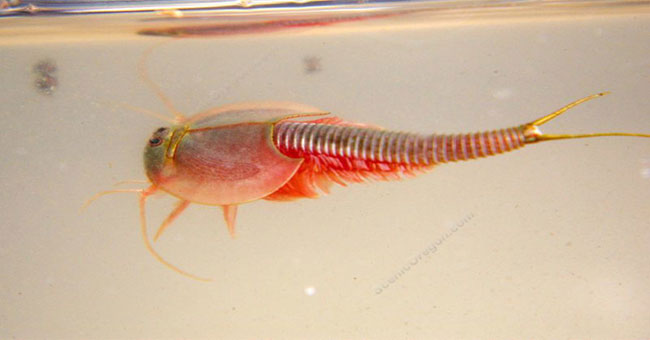
In this world, there are many things and mysterious phenomena that happen that have not been resolved - including the appearance of many extraordinary creatures.
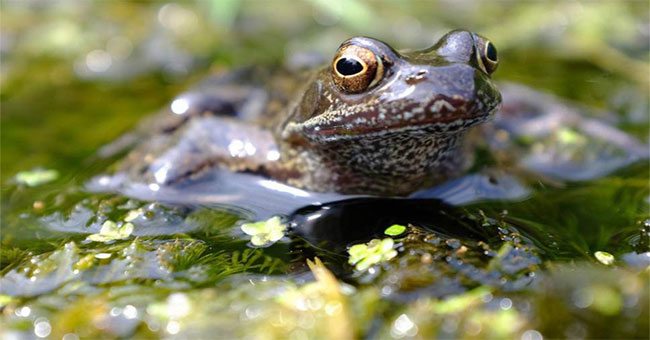
British and Swedish researchers warn pesticides can erase frogs when causing gender imbalance and eliminate their fertility.
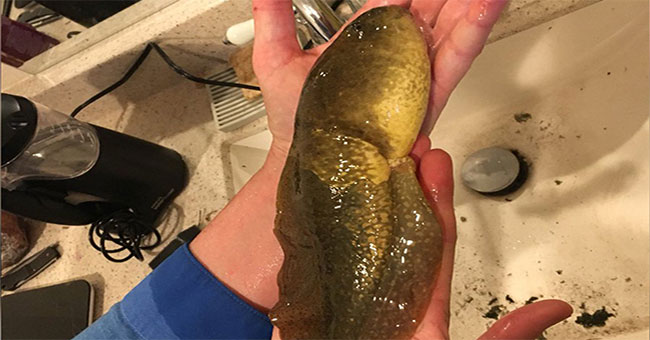
Earyn McGee, a graduate student at the University of Arizona in the US, recently posted a picture of a giant tadpole on Twitter on June 14, which surprised and delighted…

We know that frogs are amphibians that can breathe through their lungs and skin. But when they were tadpoles they lived completely under water.
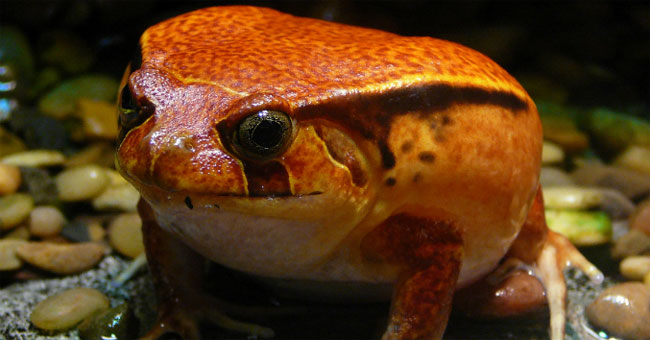
On June 3, Ecuador announced the discovery of two new frog species in Llanganates National Park, a nature reserve that spreads over four provinces of the South American…
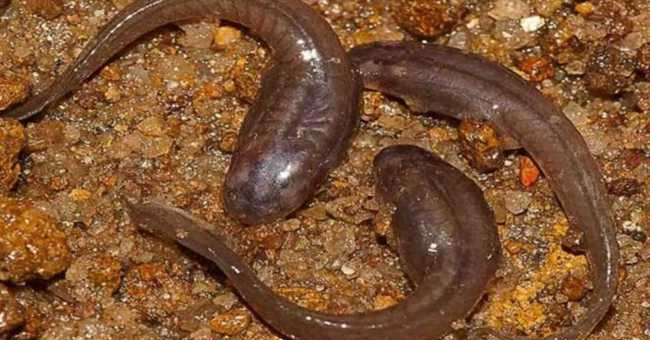
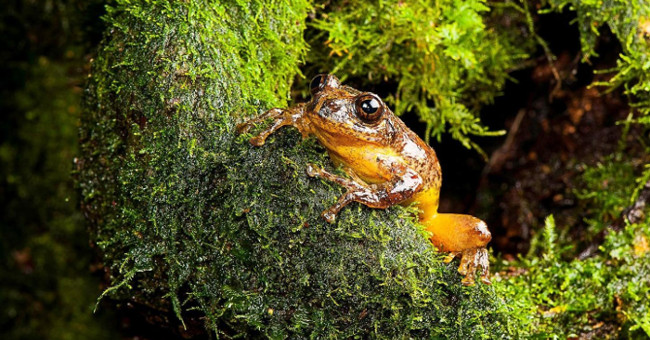
An extinct tree frog more than a century ago was discovered by scientists in tropical northeastern India.
Chinese scientists discovered a giant larvae, 14 cm long, of the mud family, during a cave expedition.

Dressed in an extremely cute appearance, few would expect these animals to be ruthlessly carnivorous, even their children.
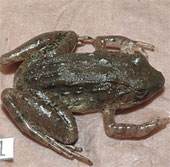
At present, scientists have not been able to explain the process of the only live canine frogs in the world mating.
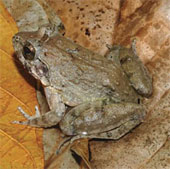
In addition to the ability to swallow food with the support of the eyes, some frogs also have strange characteristics such as taking children out of their mouths or layi…
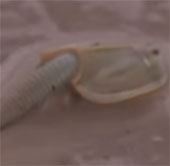
Living fossils of new long-tailed tadpoles were discovered after heavy rains flooded many areas in northern China.