Space science
The brightest galaxy in the universe
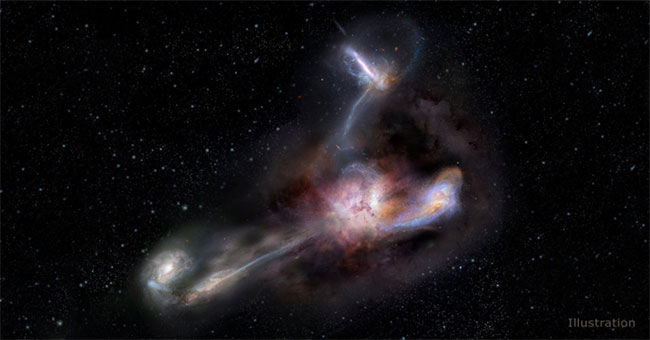
Galaxy W2246-0526 is 350 trillion times more massive than the Sun is absorbing matter from smaller galaxies around it as fuel.
Browse ScienceInfo articles and explainers related to Telescope.
1,099 published items.
Galaxy W2246-0526 is 350 trillion times more massive than the Sun is absorbing matter from smaller galaxies around it as fuel.
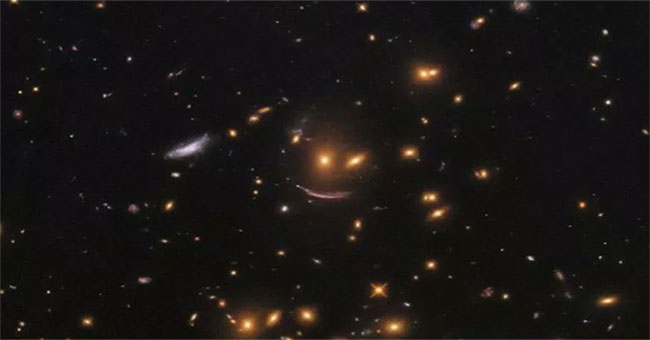
In the quest to better understand the process of new stars in the universe being born, NASA scientists have discovered a
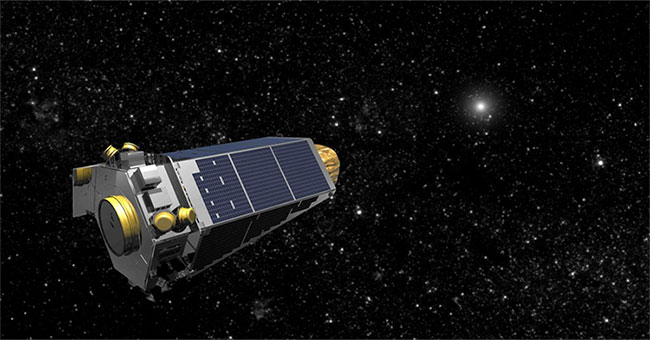
According to Fox news, the Kepler space telescope that hunts aliens from NASA's US Aerospace Agency suddenly disappears, facing new problems.
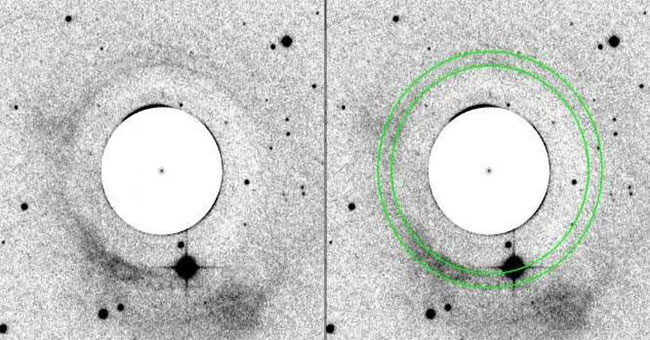
Using ESO's Very Large telescope, international astronomers detect ionizing halo around planetary nebula IC 5148.
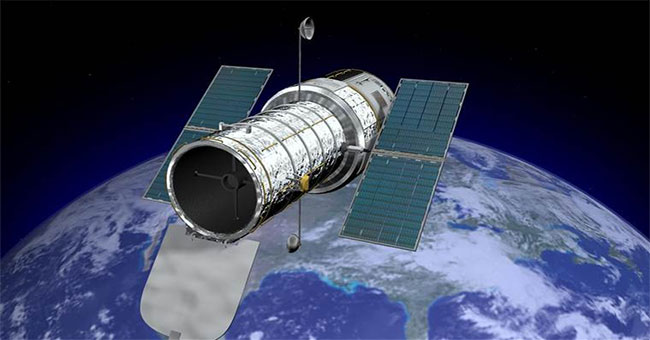
Speaking in a statement on October 8, NASA representative said one of Hubble's three gyroscopes had problems.
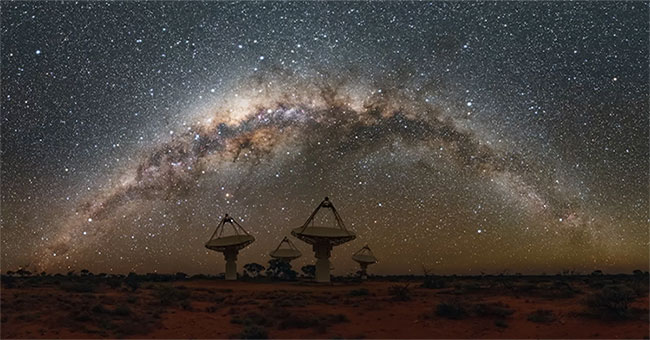
The research team at Swinburne University of Technology (Australia) said it has started its search since 2017, using the ASKAP (Australian Square Kilometer Array Pathfin…
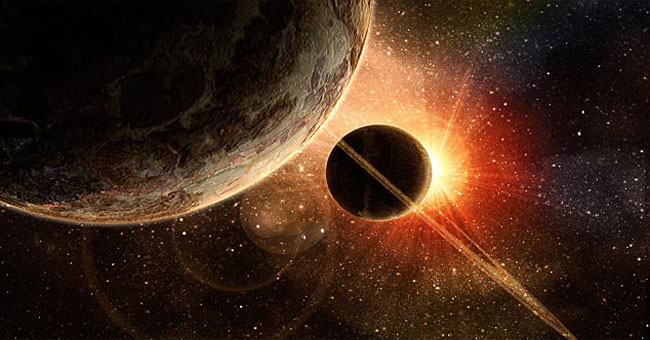
If the object has been confirmed by the Hubble Space Telescope as a moon, this is the first moon to be found outside of our solar system.
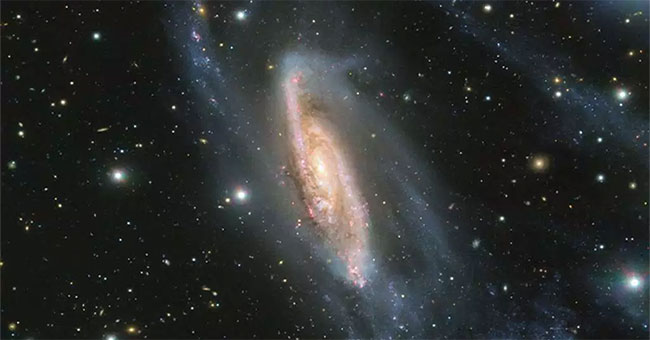
The telescope in Chile captures the image of galaxy NGC 3981 glowing with stars scattered around.
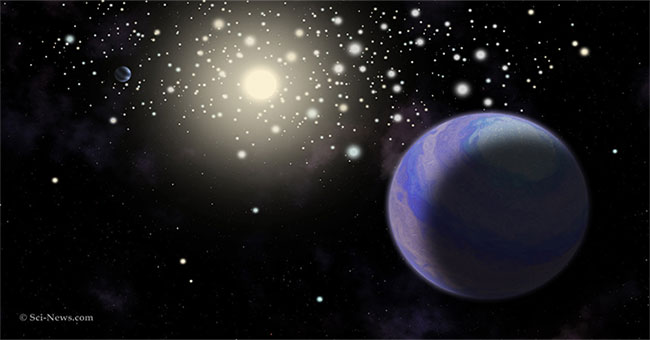
There are two new exoplanets named EPIC 211964830b in turn and c unexpectedly entered the scientific world.

Recently, the Hubble Space Agency's Hubble telescope (NASA) captured a striking image of NGC 4036, a lens-like galaxy that delighted science.
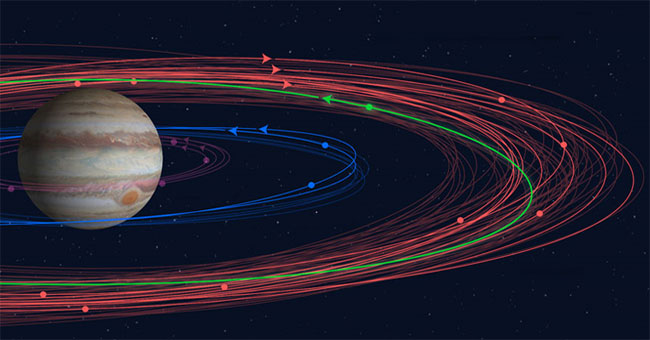
Astronomers found 12 moon moons orbiting Jupiter. These moon moons exhibit unique orbits, surprising scientists.
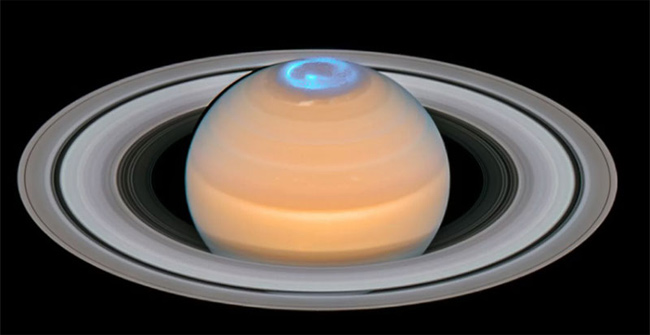
The images taken from the Hubble Space Telescope of the US Aeronautics Agency (NASA) show that the beautiful aurora of Saturn appears at the North pole both before and a…
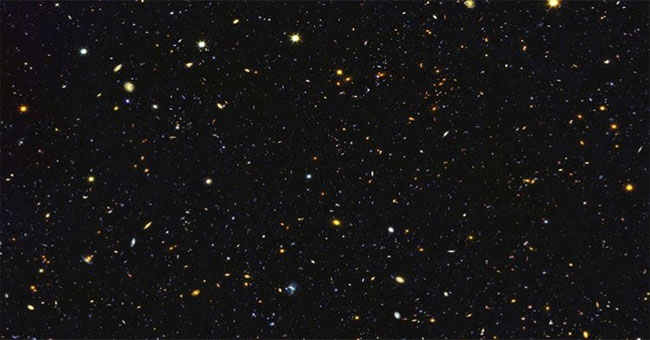
The Hubble Astronomical Telescope gives a detailed picture of the universe with many galaxies 11 billion light-years from Earth.
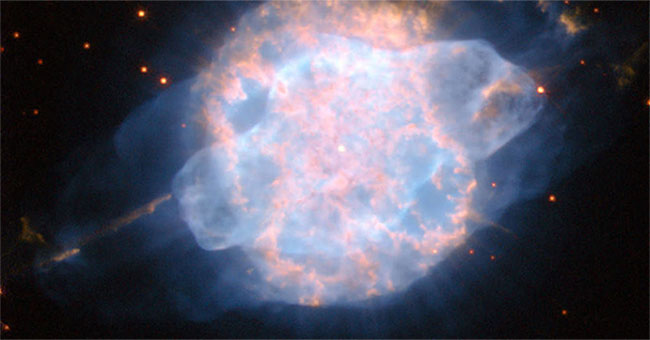
NASA has just released a picture of the NGC 3918 nebula, which has an eye shape.
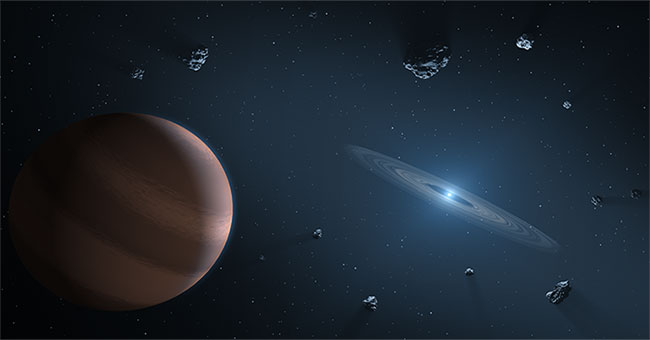
The new discovery provides more insights into the formation of planets and gives people more opportunities to find Earth-like worlds.