Space science
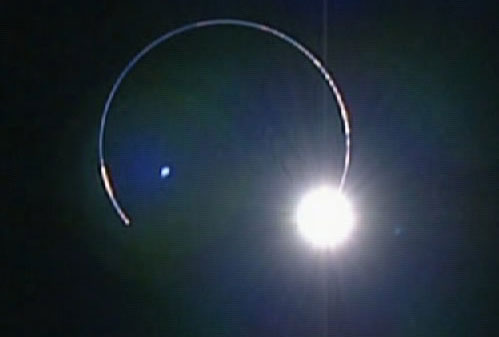
There will be a half-moon eclipse in Vietnam
On December 21, around 17:30 to 18:00, in Vietnam, a half-moon eclipse can be observed in a short time.
Browse ScienceInfo articles and explainers related to Telescope.
1,099 published items.
On December 21, around 17:30 to 18:00, in Vietnam, a half-moon eclipse can be observed in a short time.
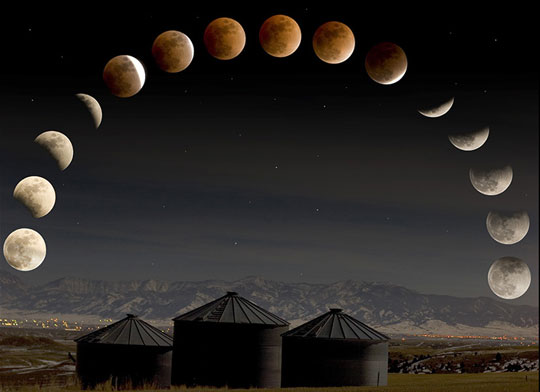
Many people believe that the lunar eclipse is a phenomenon of mystical nature, so when it happens, it is often related to abnormal changes in life. Exchange these concer…
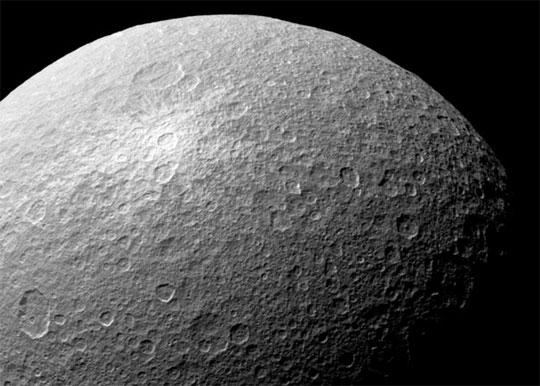
American Cassini spacecraft discovered the existence of the atmosphere on Rhea, Saturn's second largest satellite, in a close-up of this celestial body in March ...
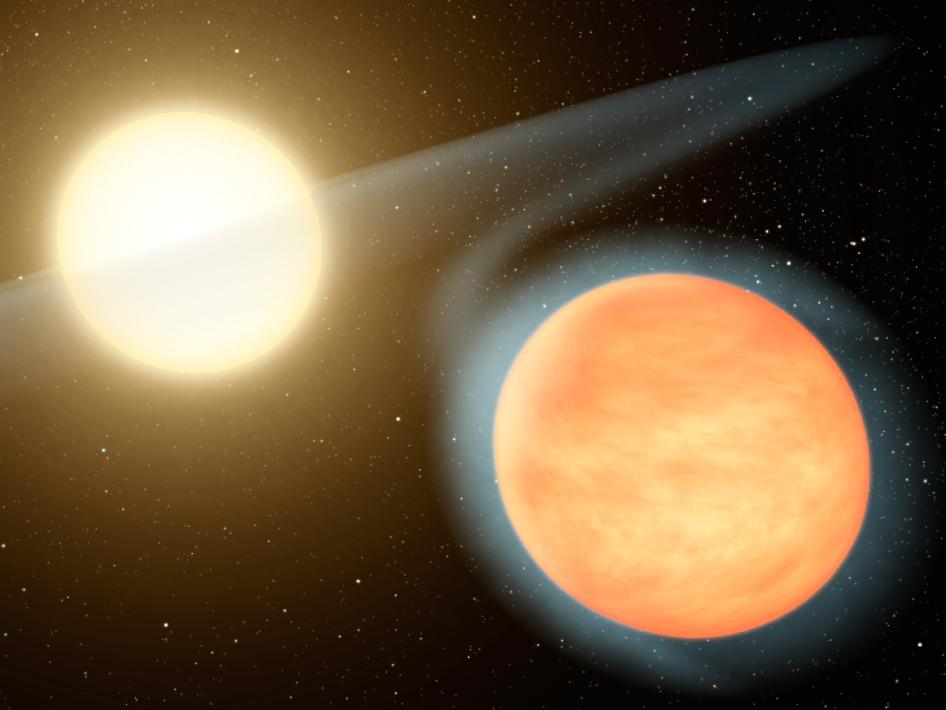
The Spitzer telescope of the US Aerospace Agency (NASA) has for the first time discovered a giant and dry hot planet containing so much carbon.
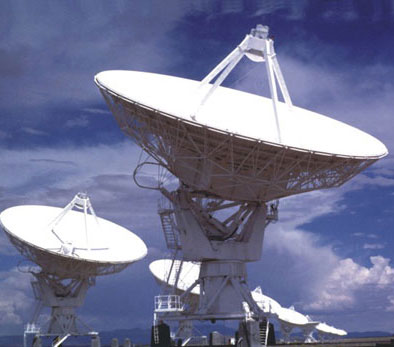
Astronomers from around the world simultaneously point radio telescopes towards stars to look for signs of other civilizations in the universe.

With the help of the Chandra X-ray Observatory astronomers, NASA scientists have found evidence of the existence of a black hole ...
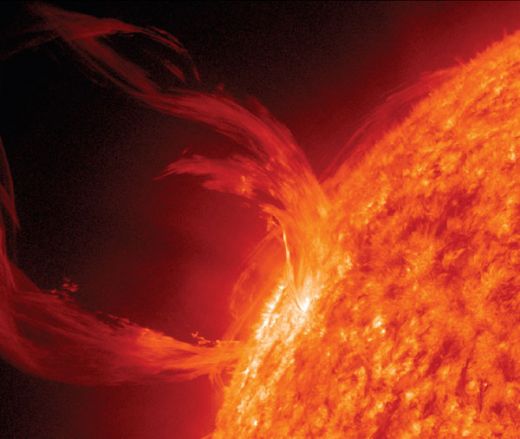
Launched in February, data from sensors of devices on NASA's Solar Dynamics Observatory ...

Two giant bubbles spew out gamma beams that appear in the center of the Milky Way and astronomers don't know where they were born.
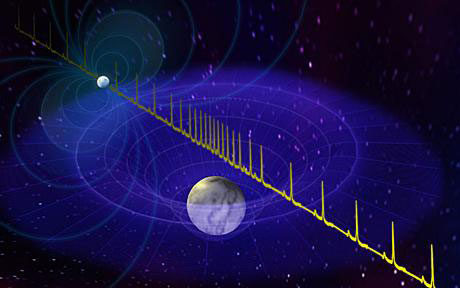
The team of the NRAO Observatory, which manages the Green Bank telescopes, has discovered the presence of neutron stars, ...
A planet larger than a double-decker bus will fly through the earth today but fortunately not hit.
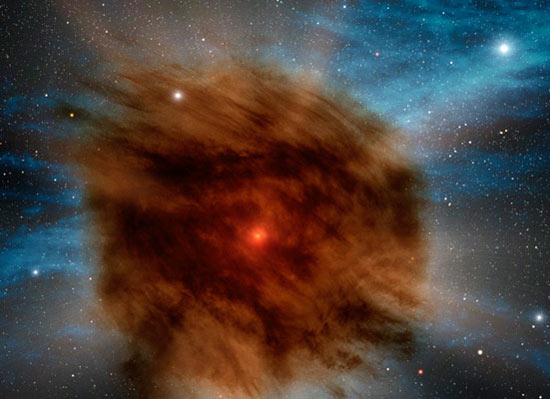
While astronomers use a Spitzer space telescope to search for a supermassive black hole in the center of a distant galaxy, the team suddenly discovers an unusually hot c…
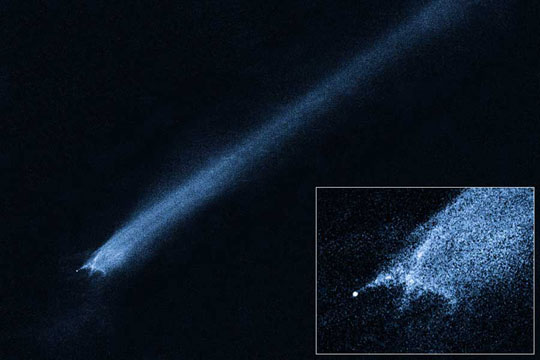
Through comet probe Rosetta, scientists have verified that the new celestial body called P / 2010 A2 is a broom star.
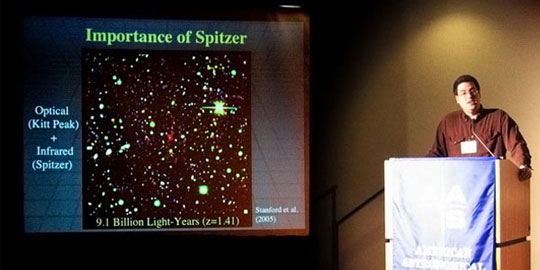
American astronomers have found the largest constellation ever. This galaxy contains hundreds of galaxies ...
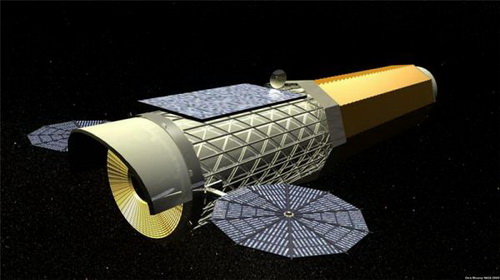
A cooperative project between the US Aerospace Agency (NASA), the European Space Agency (ESA) and the Aerospace Exploration Agency
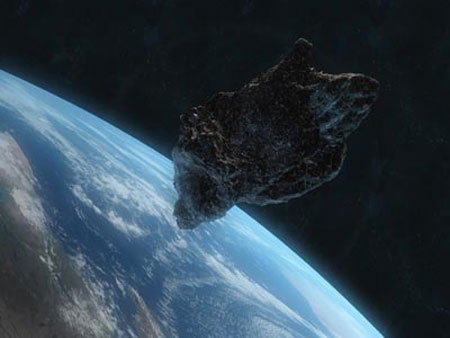
In the middle of the next month a meteorite will fly 6.4 million km away from the globe, a distance close enough for it to be grouped