Biology
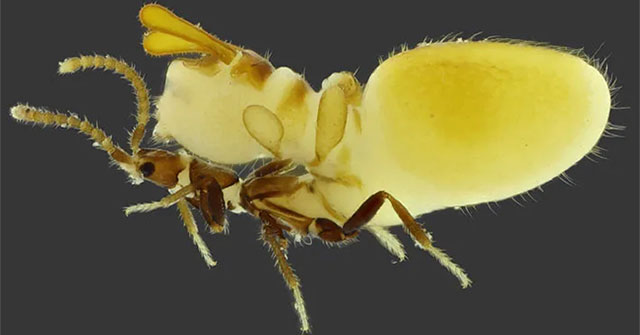
This is the laziest and most mischievous insect on the planet, it doesn't work but still wants to eat.
They are known as products.
Browse ScienceInfo articles and explainers related to Termite.
56 published items.
They are known as products.
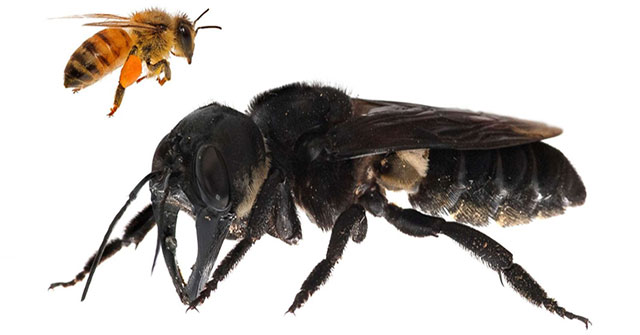
A Wallace bee as big as an adult's thumb has just appeared in Indonesia after nearly 40 years.
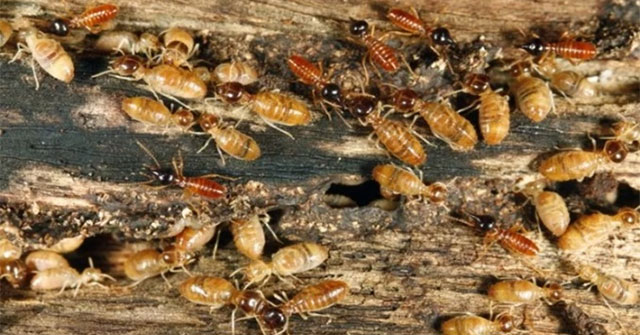
Warming temperatures and urban development create ideal conditions for termites to spread into new territories.
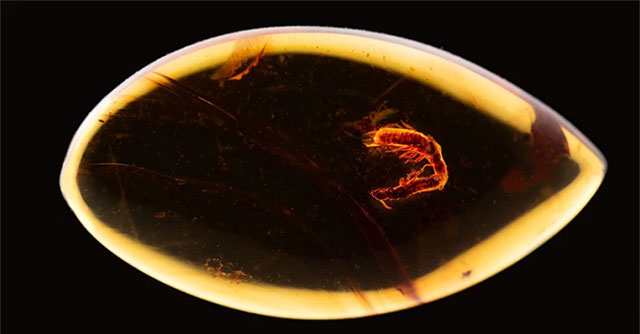
A pair of termites trapped in tree sap while preparing to have sex 38 million years ago has revealed valuable information about the mating behavior of extinct insects.
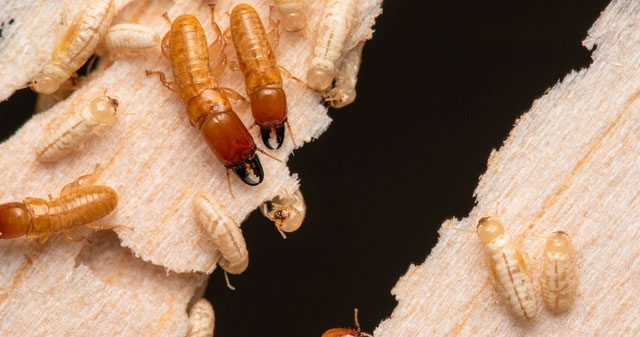
Termites are still closely related to cockroaches, although diverging on the evolutionary tree about 150 million years ago. Growing on a separate branch, termites are us…
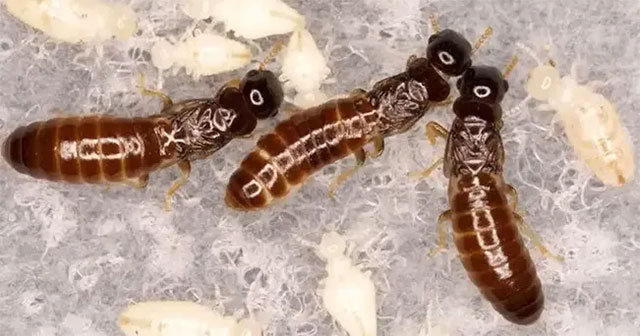
An international team of scientists says the drywood female termite community from Japan is the result of random breeding.

A jar of lime is a folk medicine with lots of health effects. To know the effects of the lime pot as well as the correct way to avoid poisoning, continue to refer to the…
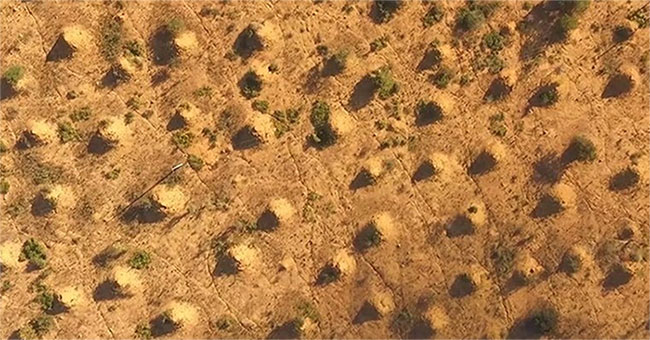
A giant super-nest spread across large areas of England was built from 3,820 years ago and still exists today, the Independent on November 19 reported.
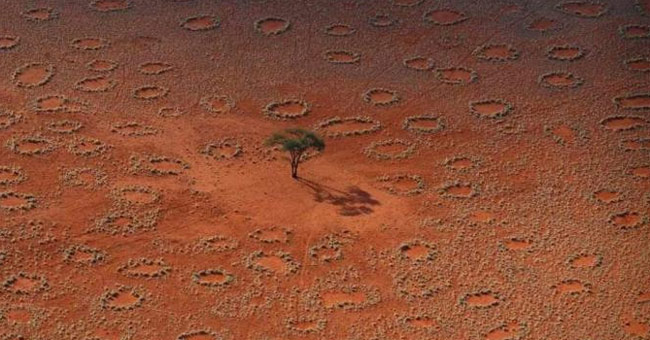
The fairy circle is the name of the giant circular spaces with diameters from 2 to 15m. They usually appear in arid grasslands in the Namib Desert (southwestern Africa),…
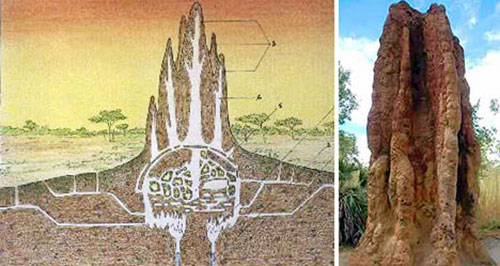
Right in the middle of a vast African grassland that has a model of environmentally friendly 'city'. The towers are built entirely of biological materials, easily decomp…
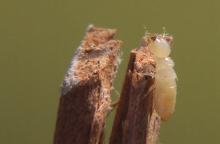
Mushrooms migrate to Madagascar by termite. Mushrooms are considered as a food source for converting cellulose.
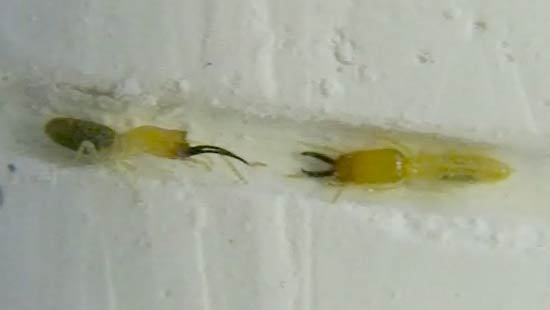
Panamanian is not only the fastest in the West, but worldwide.
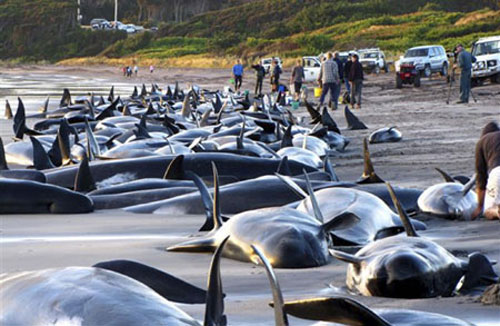
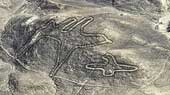
Until now, scientists around the world have not found the cause of the formation of strange drawings in the Nazca desert and the Namib desert. This is a mysterious pheno…

Oil field workers in the Gulf of Mexico have encountered giant sea termites up to a meter long for submarine exploration of the seabed at a depth of nearly 3 km.