Archeology
Discovering foreign soldiers in the tomb of Qin Shihuang
In the terracotta army of Qin Shihuang, people found both
Browse ScienceInfo articles and explainers related to Terracotta.
51 published items.
In the terracotta army of Qin Shihuang, people found both
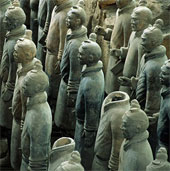
These terracotta statues are proven to follow the prototype of a real army, not a mass product.
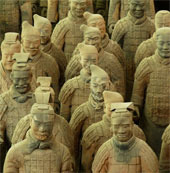
Archaeologists who study sculpture in the tomb of Qin Shi Huang have come up with an unexpected hypothesis concerning Greek art.

Italian archaeologists believe that this terracotta pig is used as a milk bottle for modern children.
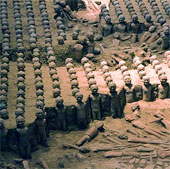
Mausoleum 'Qin Shihuang' is considered to be the largest tomb in the world, and is also one of the most peculiar mausoleum structures in human history.
The terracotta army holding the tomb of Qin Shihuang is equipped with weapons capable of defeating the enemy with a single arrow.
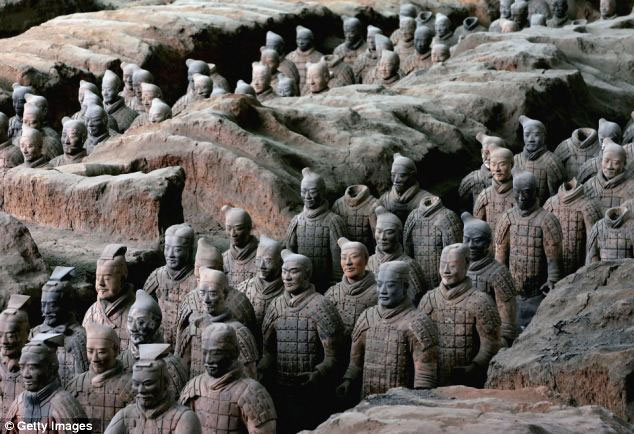
The Chinese government decided to suspend the excavation of the tomb of Qin Shihuang emperor - the first king of ancient China and 6,000 terracotta warriors currently lo…
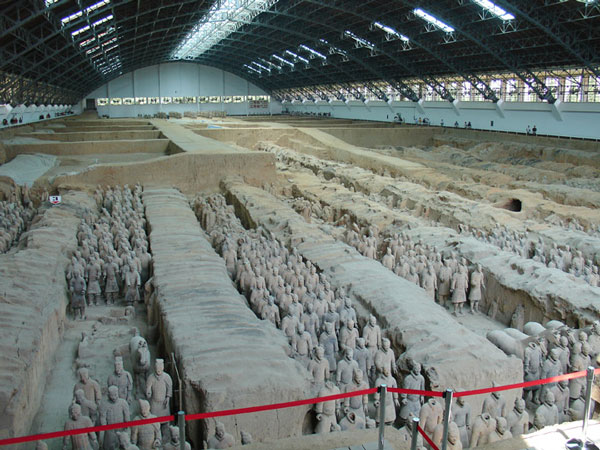
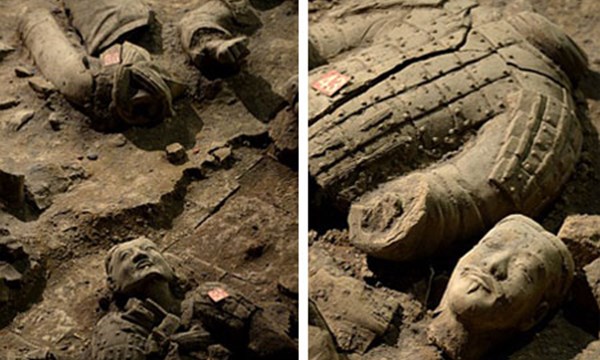
Archaeologists have excavated 120 terracotta warriors since the Qin Shihuang period (221-206 BC) in Shaanxi, China. This excavation also found unprecedented worship item…
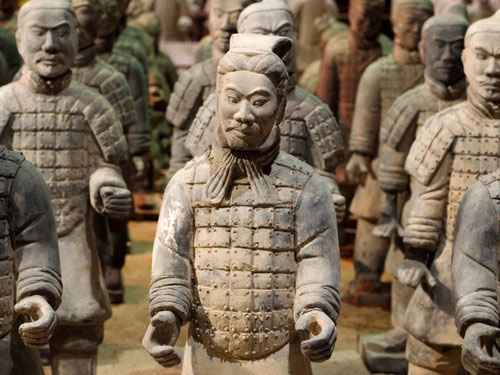
About 44,000 ancient relics, temples and cultural landmarks in China have disappeared, according to the country's first heritage survey over the past 20 years.
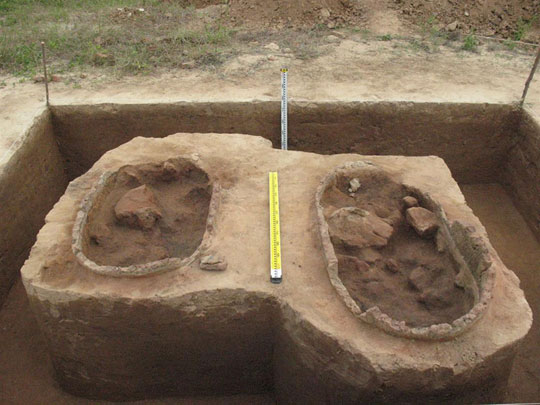
The kiln-grave relic of Xuan Son Nam terracotta has just been discovered in Phu Yen province with an area of 3,725m2, dating from the 13th century.

Chinese archaeologists have unearthed 114 statues of burned clay soldiers in a tomb area of the Qin Dynasty in Xi'an City.

Chinese archaeologists have just restarted the excavation of terracotta warriors after a 24-year hiatus.
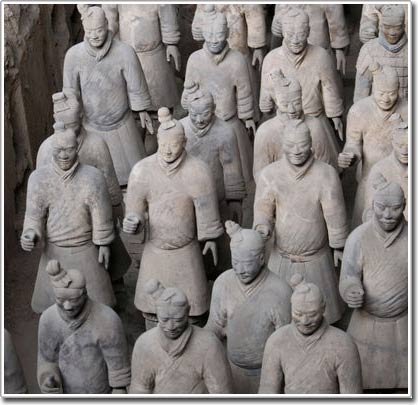
The collection of 7,000 terracotta statues of soldiers and horses in China's Qin Shihuang tomb was once covered with eggs, above the bright colored paint.
A mysterious basement was found inside the tomb of the Chinese emperor, which was guarded by the famous terracotta army, Chinese archaeologists.
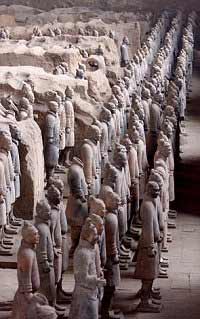
Warriors and horses in the tomb of the famous Chinese emperor are made from different regions, the analysis of pollen on clay statues has revealed something.