Biology
Mysterious animals 'stop sex' 80 million years
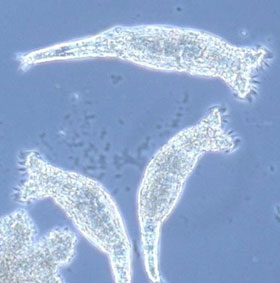
The tiny, all-female creature called bdelloid rotifer has survived over 80 million years on Earth without it.
Browse ScienceInfo articles and explainers related to Tiny.
473 published items.
The tiny, all-female creature called bdelloid rotifer has survived over 80 million years on Earth without it.
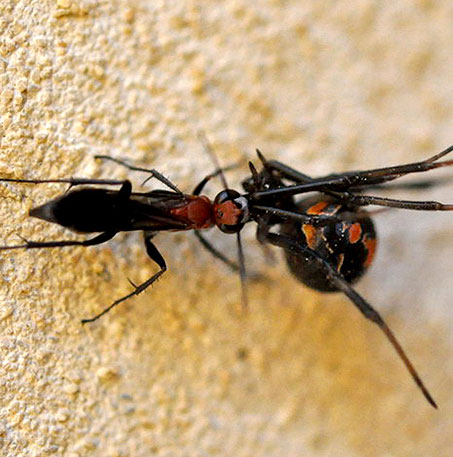
Having been ignored by the scientific world for more than 200 years, a tiny wasp was now identified as the enemy of Australia's most popular poisonous spiders.
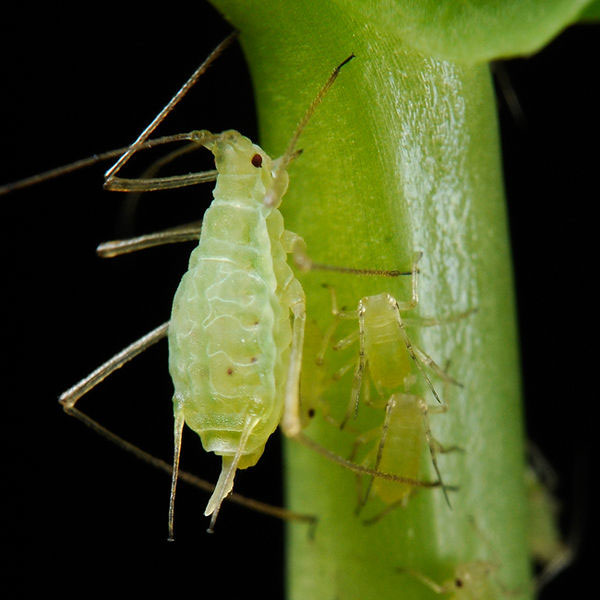
A tiny insect commonly known as aphid may be one of the few animals that can turn sunlight into energy like a tree.
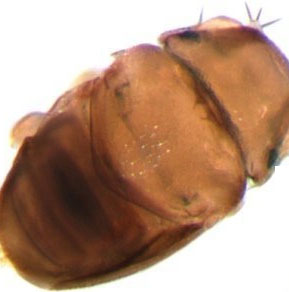
The world's smallest fly has just been discovered in Thailand, has a body length of only 0.4mm - less than a fifth of the fruit fly and less than 1 grain of salt. Dr. Br…
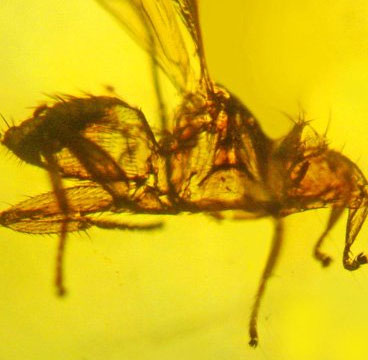
Scientists have published the fossils of bat flies, the tiny
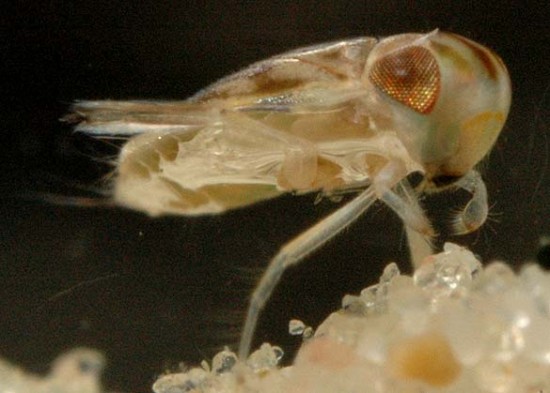
According to new research by French and Scottish scientists, the tiny aphid species with scientific name Micronecta Scholtzi is the world's largest sound-producing anima…

The research group from Wageningen University (Netherlands) was the first to implement high-speed camera footage of parasitic insects with wingspan of about 1mm.
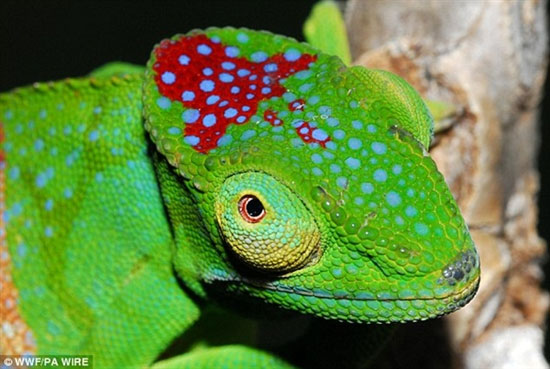
According to the latest report of the World Wildlife Fund (WWF) on Monday (June 6), more than 600 new species of organisms were found in the past decade on the island of…

Continuous glowing in the tropical forests of Brazil, Mycena luxaeterna is like tiny stars on the ground.

The 3-millimeter, 'tiny' caterpillar, lives at Hembury Woods, Devon, England, officially recognized as an 'unprecedented animal'.

He has just experimented with a campaign to prevent weed invasion with a tiny louse native to Japan.

The photo of a tiny ant using a tooth holding an object 100 times its mass in an upside-down position won the first prize in a photo science competition in the UK.

Giant plants of tropical forests, tiny mushrooms, and wild coffee are among 300 species first described by botanists in England in 2009.

Recently scientists can next time the clock engine generates a rhythm of life on Earth.

Scientists say they have just discovered a new plant species. It is a tiny orchid flower with a petal width of only 2.1 mm.