
Biology
There are several species of toxic microalgae?
Dr. Nguyen Ngoc Lam - Head of marine zooplankton, Nha Trang Institute of Oceanography (Vietnam Academy of Science and Technology) - said that in Khanh Hoa waters alone,…
Browse ScienceInfo articles and explainers related to Toxin.
267 published items.
Dr. Nguyen Ngoc Lam - Head of marine zooplankton, Nha Trang Institute of Oceanography (Vietnam Academy of Science and Technology) - said that in Khanh Hoa waters alone,…

When the centipede was lying still on the grass, the snake suddenly attacked with the hope of turning centipede into a meal for today.
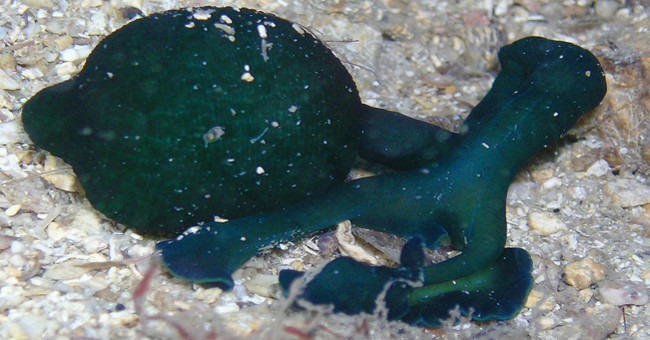
This worm belongs to the Echiura class, a creature that is difficult to collect and difficult to distinguish, so many of them have not been thoroughly studied.
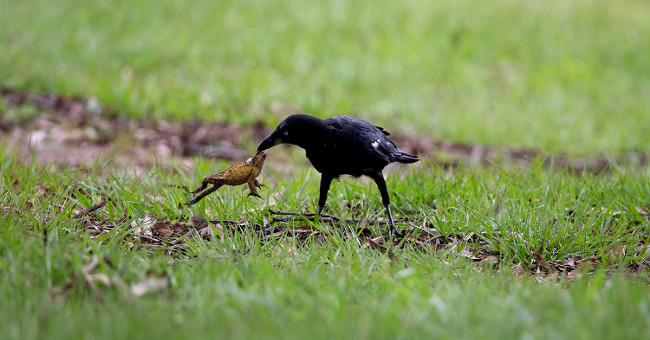
Crows in Australia found a way to eat sugarcane without fear of exposure to their toxins, Science Alert reported yesterday.
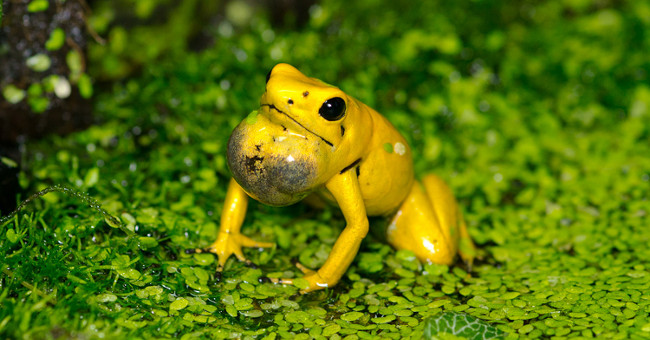
To choose the most terrifying venom of Earth is indeed very difficult, because we have so many candidates with the ability to kill dozens of people with only a few grams…
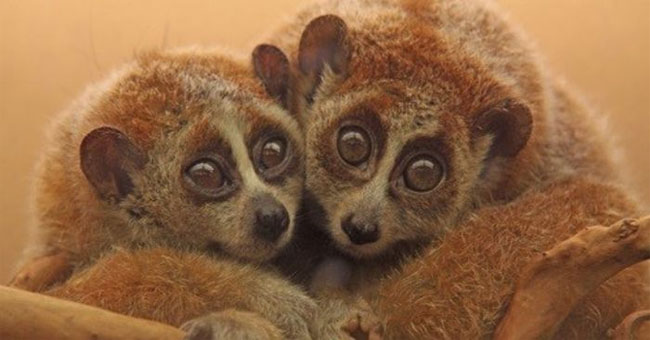
There are some mammals that possess venom or poisonous weapons to protect themselves. The wounds they bring can numb the nervous system leading to death.
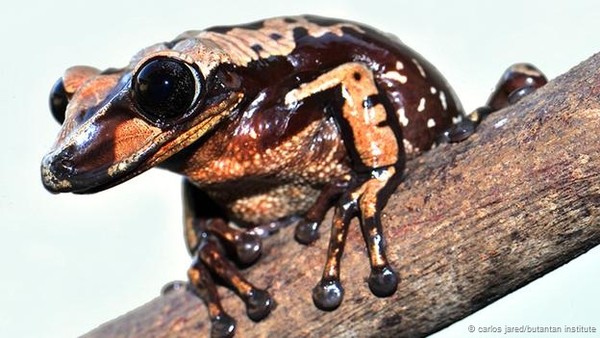
Biologists have recently discovered two frogs that can transmit more dangerous toxins than many venomous snakes in the world.
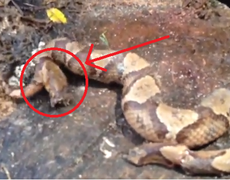
Normally, a snake is beheaded, its body functions basically stop working but it still has some reflexes. That means that the snake still has the ability to bite and inje…
Irukandji fleas, mosquitoes or jellyfish are three of the small animals, but release dangerous toxins or spread deadly disease.
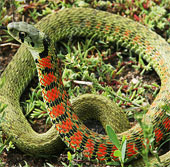
Tiger keelback snakes (keelback snakes) are inherently a non-poisonous snake that is common in Japan but has the ability to absorb poison from toad meat to turn into an…
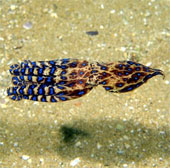
Usually we will panic when we see large sized snakes or spiders, thinking of our instincts

Yellow dart frogs, monkey frogs, humpback frogs, striped frogs ... are small animals, beautiful colors, but contain deadly toxins.
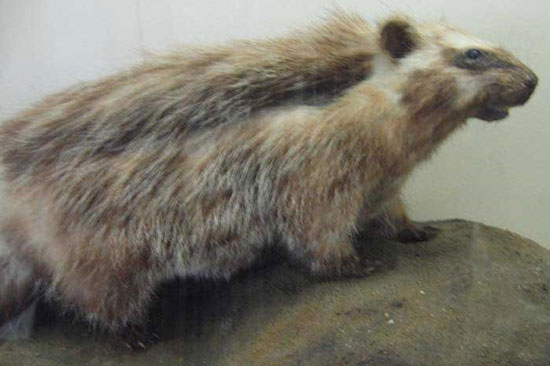
Unlike most other mammals, the African porcupine rat (also known as the crested rat) scientific name Lophiomys imhausi produced itself.
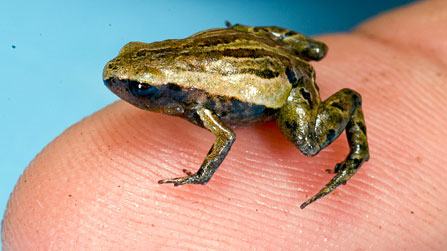
The world's smallest frog Eleutherodactylus iberia contains toxic alkaloids on the skin to compensate for physical limitations.

Each of the toxin-bearing animals has an alarm, which is immune to their venom.