
New technology
Nano-chips detect cancer early in humans
Researchers at Stanford University are developing nanoscale chips that can detect early biological markers of cancer in humans.
Browse ScienceInfo articles and explainers related to University.
4,907 published items.
Researchers at Stanford University are developing nanoscale chips that can detect early biological markers of cancer in humans.
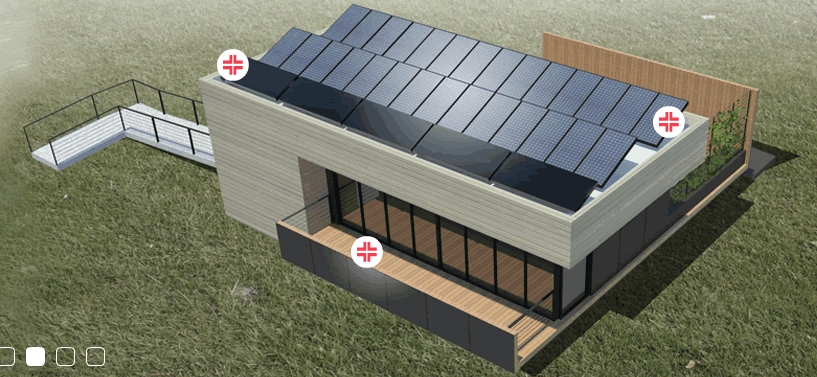
Students of Boston Architecture University and Tuffs University brought to the Solar Energy a work representing New England: a solar home called Curio.
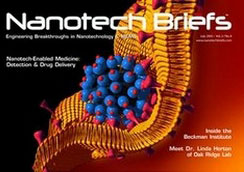
Researchers have used a variety of nano-sized nanomaterials developed to be sensitive enough to detect early cancer (a disease that is easy to treat).
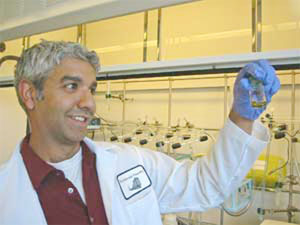
34-year-old Cyrus Wadia scientist of Berkeley Laboratory and University of California (Berkeley, California, USA) has just been recognized by Technology Review magazine…

Belgian scientists at the University of Brussels have developed a robot that caters to pediatric patients.

US researchers have designed a on-chip lab that can be programmed to perform a variety of tasks.
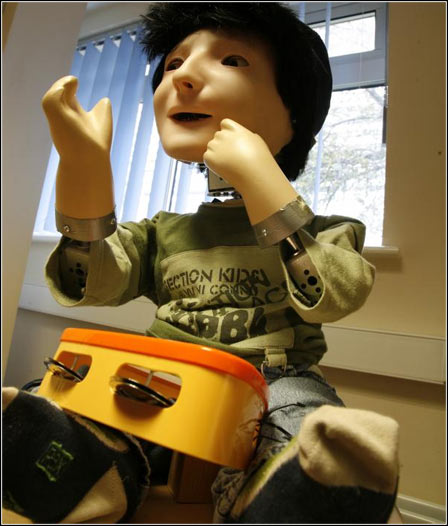
A new project was officially launched on May 1 in a robot with artificial skin.

University of California scientists say they have succeeded in making a camera capable of taking 6 million images per second.

US scientists have successfully built the world's smallest bulb. When there is electricity, it looks like a bright spot.

Experts in Wales and the United States have successfully built inference machines, hypothesized and conducted scientific experiments.

Wine glass does not break? Baby bottles do not break? Can coffee cups survive for generations?

Japanese students will soon see a robot teacher on the podium. According to the Telegraph, the 'teacher', called Saya, is currently being tested at a Tokyo eleme…
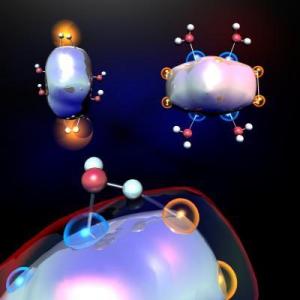
Scientists at Penn State University and Virginia Commonwealth University have discovered a way to produce hydrogen by exposing aluminum clusters to water.

A Japanese company has launched a robot capable of acting. It is programmed to read the dialogue and move around the stage.

A robot developed in Japan can take the job of storing dirty dishes, housewives do not need to touch.