Space science
The telescope can detect life beyond Earth
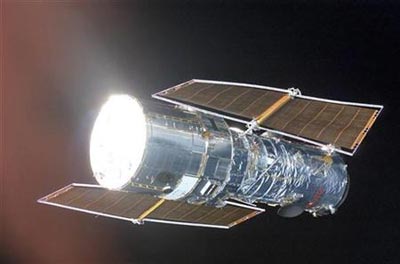
A space telescope with 25 times sharper vision than the current Hubble glass can help find aliens.
Browse ScienceInfo articles and explainers related to Vision.
302 published items.
A space telescope with 25 times sharper vision than the current Hubble glass can help find aliens.
The World Vision Provider (WV), based in Arizona, has completed the first test flight of a space travel balloon.
The European Space Agency (ESA) announced that its two new projects will focus on studying the
The sun-observing vision of the glass found a giant hole in the central star's atmosphere, expressed in the form of a dark halo covering nearly a quarter of the sun, con…
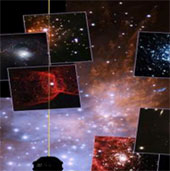
Experts in Chile have published seven super-sharp, wide-spectrum images of the device that are expected to revolutionize astronomical observations.
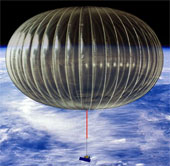
Physicist Richard Massey shares his opinion on devices that will expand the vision of people in the future, by experimenting with observing glass into space through the…

The Fermi glass vision has detected traces of so-called dark matter that account for 85% of the universe's mass.
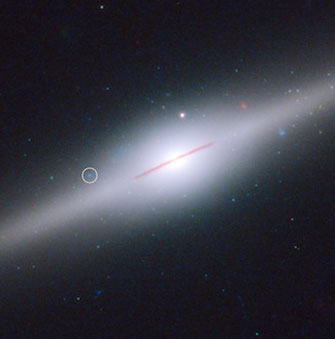
Like the case of fossil vision that guessed an extinct creature, a black hole could provide information about its galaxy that had been previously destroyed. The Hubble S…

The ruins of the two planets following the dying central star, 3,900 light-years ago, provide the clearest view for astronomers about the future of the solar system in a…

Recent research by NASA (US Aeronautics and Space Agency) shows that working in space can harm the eyes, reducing astronaut vision.

With about 2,000 cells, the fruit fly larva brain is much smaller than a brain of a mature fruit fly with 150,000 cells. Meanwhile, this number in the human brain is abo…
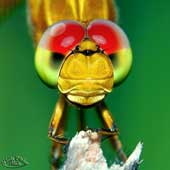
Recent research by Japanese University scientists has discovered the dragonfly's eyes that are grafted by 300,000 glass objects (like lenses) in each eye and become the…

A recent study by scientists from Cambridge University (UK) found that grasshoppers correctly positioned each step based on sight, not feeling.
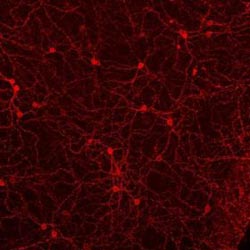
Mammals have two types of light-sensitive organs in the retina. They are cone and rod cells, all needed to receive the image of the surrounding environment. However, res…

This unmatched cute head dog act has a good reason behind it.