New technology
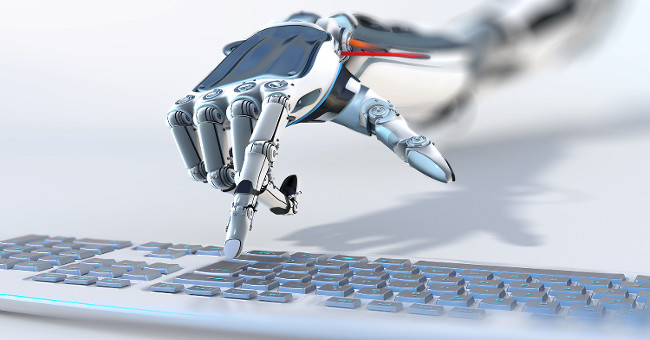
Scientists have created robots that can see the future
Researchers at the University. Berkeley, California has successfully developed a new learning technology that allows robots to imagine their future actions.
Browse ScienceInfo articles and explainers related to Visual.
237 published items.
Researchers at the University. Berkeley, California has successfully developed a new learning technology that allows robots to imagine their future actions.
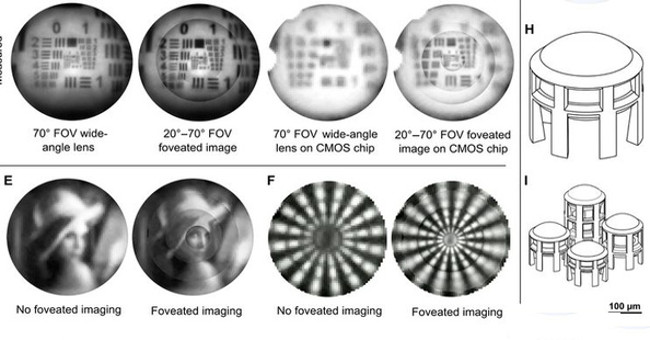
By mimicking the gestures of visual pits, scientists at the University of Stuttgart, Germany have helped machines with the ability to focus strongly on vision like an ea…
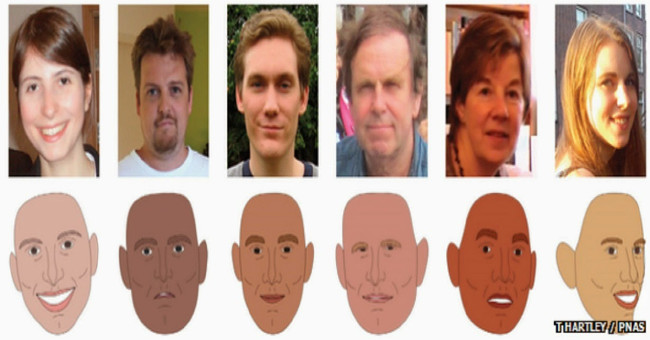
While people often lack objectivity when making these assessments, artificial intelligence overcomes that disadvantage.
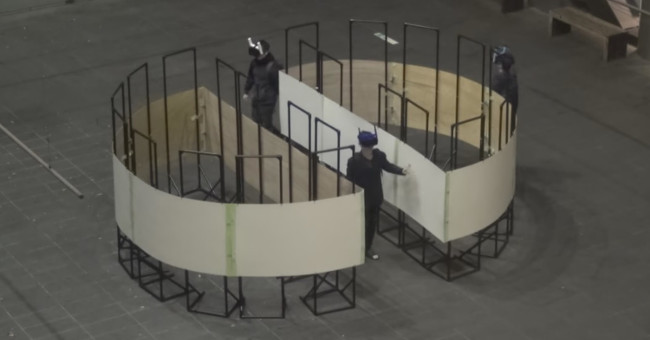
Japanese researchers have created technology that can help users comfortably move in the virtual reality world endless but only need less than 30 square meters of real l…
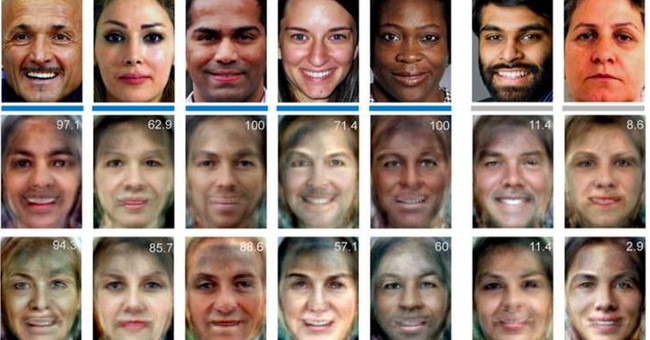
Scientists at the University of Oregon, USA, built a device that allows people to read their thoughts by scanning signals in the brain and then processing and transferri…
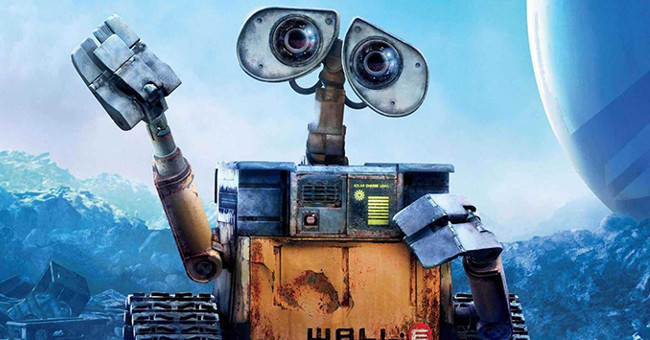
Robots can be human-like, but lifeless eyes still make it easy to recognize it as a robot.
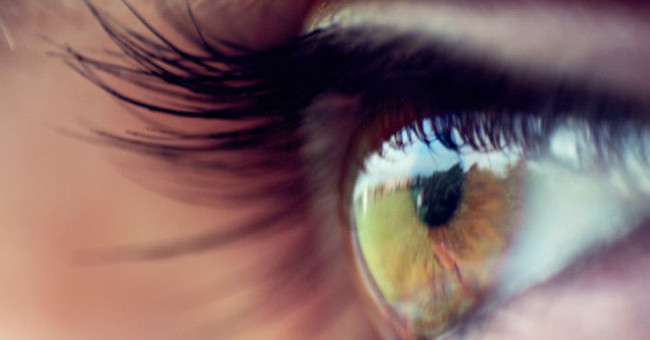
By using two cameras attached to a pair of eyeglasses to record images in real time and transfer information directly to the brain, scientists have created a
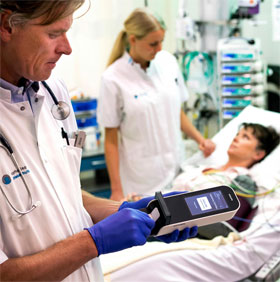
In the past, the period of testing - diagnosis in the treatment of diseases always requires high accuracy so it often takes a long time.
Israeli scientists have developed applications for smartphones that are capable

Software engineer Brad Lyon along with designer Bill Snebold has created a visual map showing all births and deaths in countries around the globe.
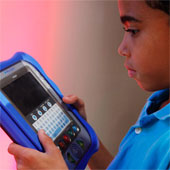
Using electronic devices (such as e-books or tablets) can help people with dyslexia improve reading and reading comprehension.

Russian engineers have recently developed a navigation system that can replace pilots' control devices such as compasses, altimeters, radio girders, and tilts.
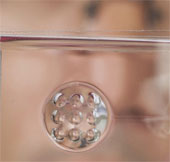
Ohio State University engineers have developed a lens that combines the visual power of the human eye and the insect.

By using brain scan data and a set of computer algorithms, Dutch scientists can read the letters that a person is looking at.
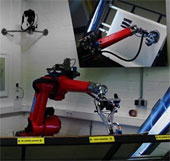
Humans have invented photo printers, but we do not have a painting machine. Experts from the University of Konstanz in Germany have created such a machine, CNET reported.