
Environment
In 40 years the Arctic will run out of ice?
Scientists warn that, with the current warming rate of the Earth, only 30-40 years later, ice will not exist in the summer, even in the center of the Arctic.
Browse ScienceInfo articles and explainers related to Warm.
997 published items.
Scientists warn that, with the current warming rate of the Earth, only 30-40 years later, ice will not exist in the summer, even in the center of the Arctic.
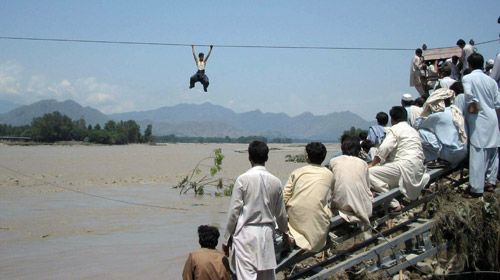
Floods in China and Pakistan have killed thousands. Hot weather over 400C caused serious forest fires that left dozens of people dead in Russia. Other record heat waves…
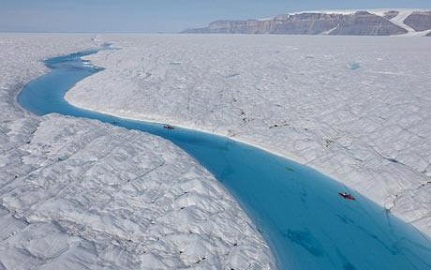
US scientists say an ice sheet of four times the size of Manhattan Island (260 km2) and a height of about 180m have been separated from the Petermann glacier in northern…
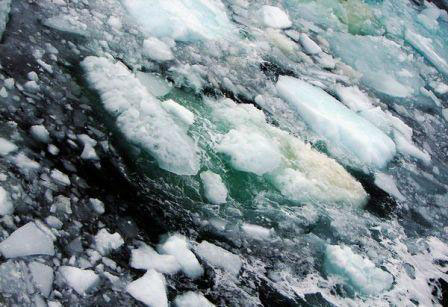
The amount of organic matter, dissolved in deep water parts in the Arctic Ocean, doubled after 12 years. This is a solid evidence that allows the Earth to warm up.

The climate is heating up badly but it is also beneficial. Arctic temperature rise causes flooding in many areas, engulfing many coastal areas ...

The melting of glaciers around the world will give rise to new food crises.

Climate change can turn half of the world into a land of death due to rising temperatures, scientists warn.

Earth's temperature may exceed human tolerance, if the increase in greenhouse gas emissions continues as it is today.

About 20% of the lizard species on the earth can permanently disappear by global warming, causing the risk of outbreaks of insects.

Global warming can increase the number of dangerous geological events such as volcanoes, earthquakes and landslides.

Scientists seem to have missed the impact of stratospheric steam on global temperatures.

The waves as high as 23 m attacked a city in Peru after a giant block of ice fell into the lake.

A large amount of methane is leaking from a huge hole that has just been discovered below the permafrost of the Arctic Ocean.

The Daily Mail UK has just released pictures of a pair of polar bear mothers stuck on an iceberg and floated in the middle of the sea 12 miles away.

A giant iceberg about the size of Luxembourg (Western Europe) that broke off from the eastern South Pole earlier this week may threaten marine life, scientists warn the…