
Environment
Unable to salvage the Arctic phenomenon
Experts believe that melting ice and snow in the Arctic Ocean has reached an irreversible stage.
Browse ScienceInfo articles and explainers related to Warm.
997 published items.
Experts believe that melting ice and snow in the Arctic Ocean has reached an irreversible stage.
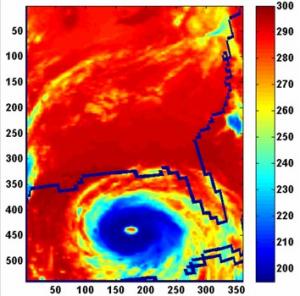
The frequency of clouds is very high in the tropical regions of the Earth - clouds are often associated with violent storms - rising due to global warming.

The following practical cases show that our planet's future has merged into climate change.

The war with warmer weather has an ally that nobody expected. It is the fungus that grows in dry spruce forests in Alaska, Canada, Scandinavia ....

Global warming is pushing many tropical animals and plants to places higher than their usual environment.
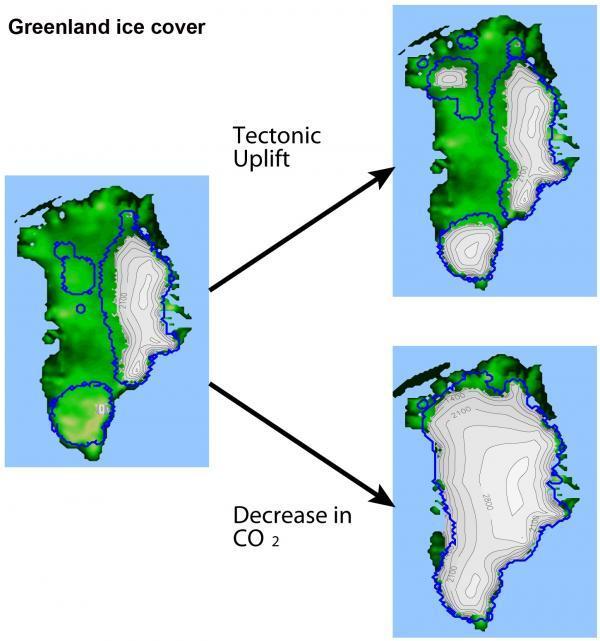
Recently there have been a lot of media reports about the impact of global warming on the ice in Greenland.

An English researcher wants to send hundreds of unmanned ships to the sea to spray water on the air - to curb the warming of the atmosphere.

Researchers have just introduced a new model. Accordingly, sea level is unlikely to rise by 2 m at the end of the century as previously predicted.

In the early days of the Earth, the solar system did not exist as it does today. At that time, the sun was very young, so it emitted very weak light, not enough to warm…

Stalagmites in the West Virginia cave have provided the most detailed geological record ever in the climate cycle in eastern North America over the past 7000 years.
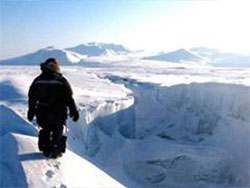
Two large icebergs, about 4-5km2 and one 14km2, have separated from the ice block in the extreme Canada. On July 29, Canadian scientists confirmed two
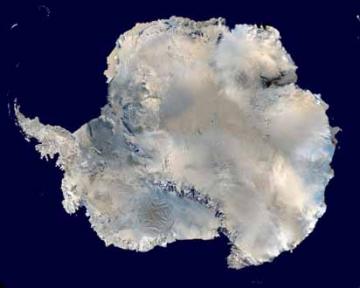
A comparison of Antarctic temperatures and snow accumulation with predictions by the computer model of the global climate has produced good news and bad news.
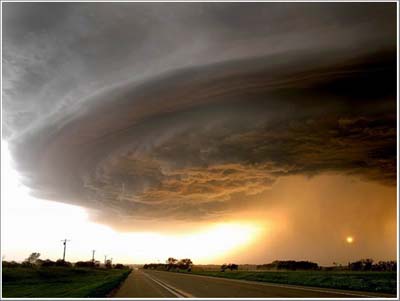
Many people believe that the warming of the Earth will increase the number of storms, but a recent study proves that it is not true, at least in the Atlantic.

Can a solution to global warming problem be in the soil under our feet? A group of Newcastle University scientists aim to develop a soil that can separate carbon from th…

According to a new study, about 100 million years ago, in the period of the dinosaurs, the warming of the air significantly reduced the amount of clouds, causing the tem…