Environment
Earth warms very fast in the next 10 years
Meteorological experts say global temperatures will rise faster than expected in the next 10 years due to climate change.
Browse ScienceInfo articles and explainers related to Warm.
997 published items.
Meteorological experts say global temperatures will rise faster than expected in the next 10 years due to climate change.
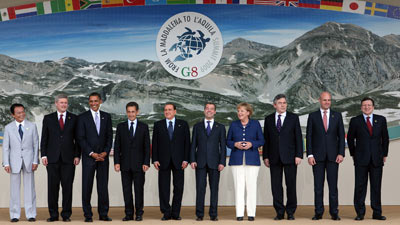
The largest group of developing and developing countries in the world participated in the summit in Italy, yesterday, agreed to take all measures to raise the global tem…
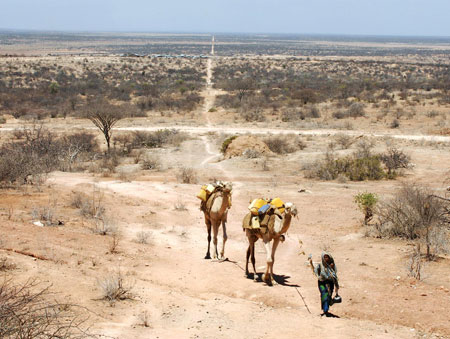
Global warming is forcing hundreds of millions of people to leave their habitats. If that situation continues, we will have to witness the biggest migrations in human hi…
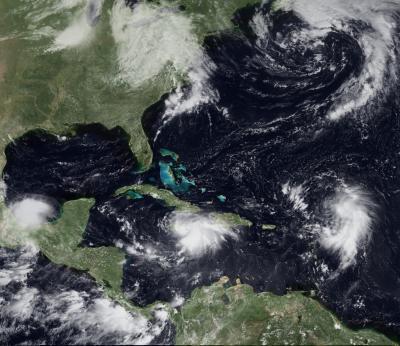
Normally, in the years of the El Niño phenomenon, there are fewer storms on the Atlantic than usual. However, a new study suggests that El Niño can morph into form and c…

According to the most comprehensive study of the effects of greenhouse effect, global warming each year kills about 300,000 people.

Global warming caused the wind speed to decrease over time, US meteorological experts warned.

An area of about 700 square kilometers in the southernmost part of the earth has crumbled into ice sheets.
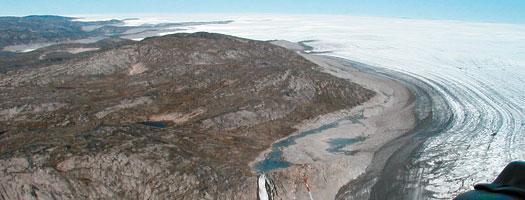
Methane sediments do not contribute to climate change? It is methane itself from the swamp that warms the Earth.

US President Barack Obama is considering a plan to deal with global warming, by shooting microscopic particles into the stratosphere.

Some US scientists warn that, in less than 10 years, the Earth's north pole will be free of ice.
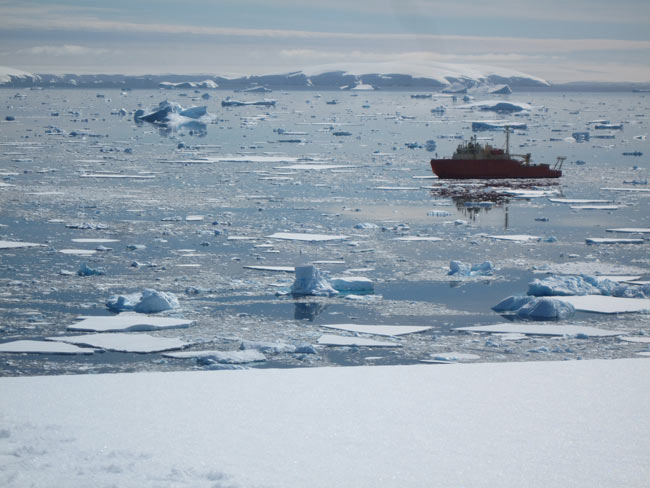
Rapid climate change on the Antarctic Peninsula has caused simultaneous changes in the region's biological productivity.

Japanese cherry blossoms are blooming sooner and will face a gloomy future due to global warming.
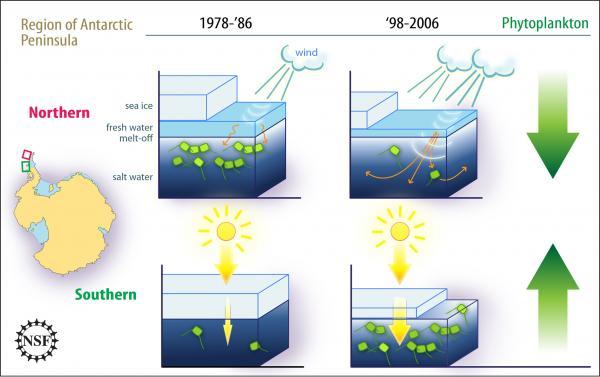
Antarctica has long been thought to be one of the fastest warming locations on Earth.

Over the past century, many US plants have moved hundreds of kilometers to the north due to the inconvenience of temperature rise caused by the greenhouse effect.

On February 17, an ice block of up to 14,000 km2 separated from Wilkins ice shelf, belonging to Antarctica.