New technology
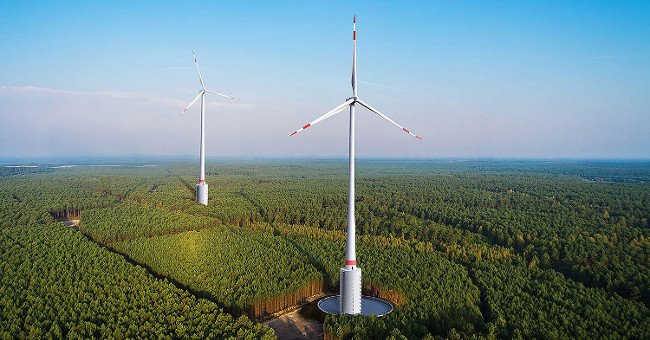
Innovative wind turbines in design
Recently, the International Energy Association (IEA) announced the global renewable energy source for the first time over coal energy, in which wind energy accounts for…
Browse ScienceInfo articles and explainers related to Water.
6,450 published items.
Recently, the International Energy Association (IEA) announced the global renewable energy source for the first time over coal energy, in which wind energy accounts for…
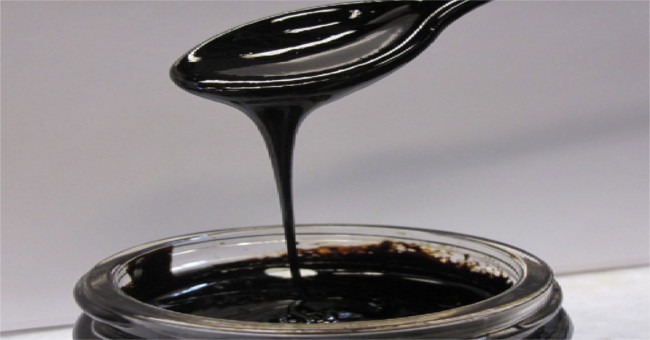
US scientists use hydrothermal liquefaction technology with high temperature and pressure to turn waste water into bio-crude in minutes.
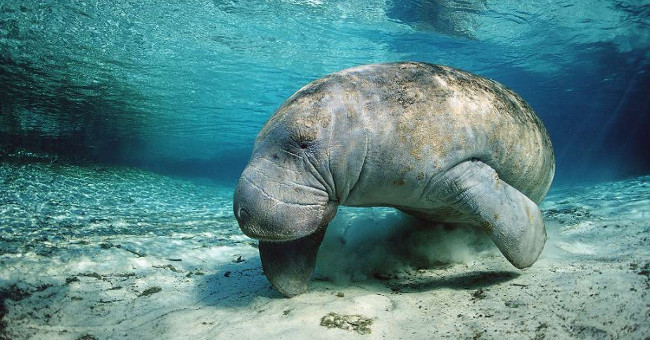
Researchers are using new AI-assisted AI technology to search for and track the number of endangered species when their numbers decline. for years.

German researchers are experimenting with and utilizing wastewater for hydroponic cultivation to optimize water resources in agricultural production.
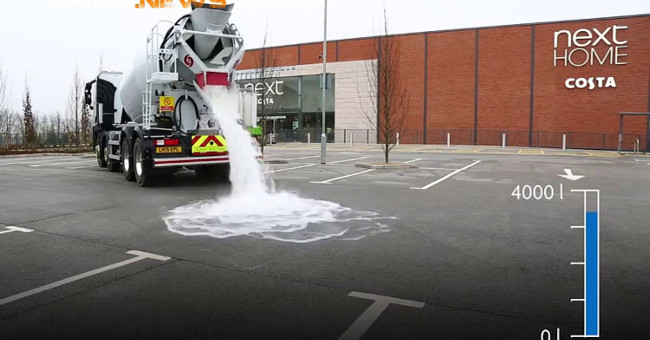
A construction materials company in England introduced magic concrete that can suck 4,000 liters of water in a minute, which is expected to be a useful solution when flo…

SunToWater uses solar energy to produce clean drinking water from the air.

A newspaper in Japan can be transformed into a flower only a few weeks later by shredding it in a pot of sponge and watering it.

This method can produce cheaper and more efficient electrodes.

Recently, scientists at the University of Tokyo have created Kengoro. This is a human-like robot with the ability to breathe continuously for 11 minutes. And most import…

After years of research and experimentation, Sundrop Farm Company has succeeded in developing the first tomato greenhouse model based on the use of solar and sea energy.
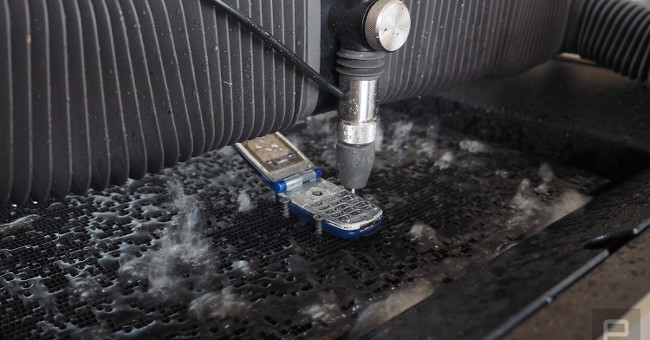
A technology company in the United States introduced the first hydraulic table breaker, spraying high-pressure water jet to cut everything, including steel.
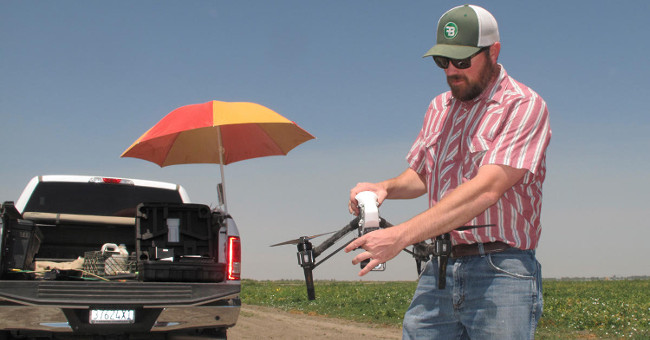
You just need a smartphone to manage. The rest left the robot to worry.
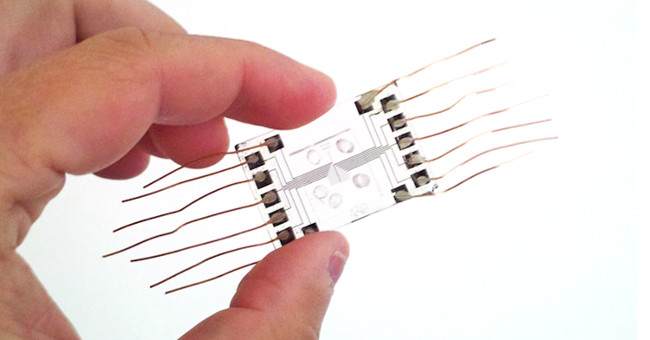
According to Water.org, 1 in 10 people in the world do not have access to safe and clean water.
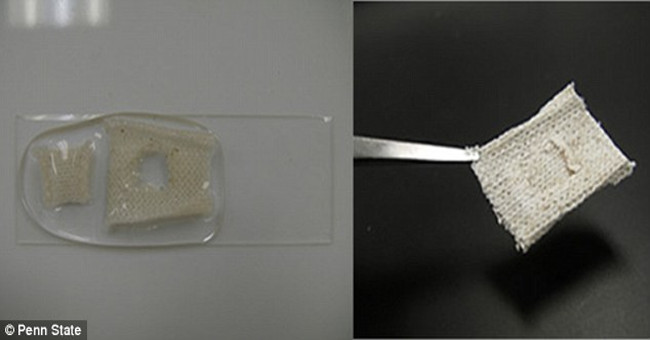
Scientists believe this discovery will be a breakthrough technology in future fashion.
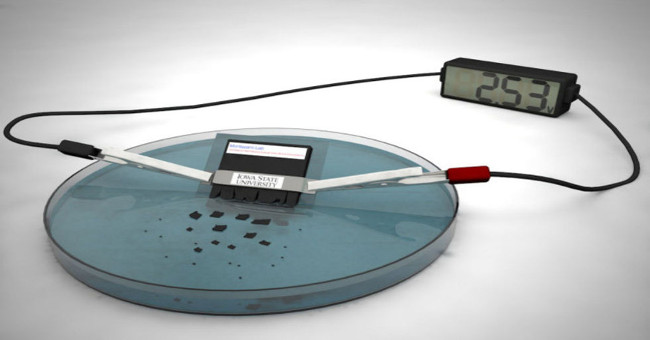
If intelligence agencies want to make self-destructive surveillance devices to remove traces, all of their components, including batteries, need to be self-sufficient.