Biology
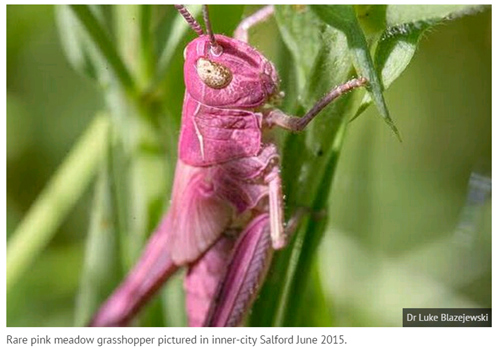
An extremely rare pink grasshopper appeared
An extremely rare pink grasshopper has just been discovered in northeastern England. It has such a strange color due to a very rare mutation in animals, according to the…
Browse ScienceInfo articles and explainers related to Wild.
903 published items.
An extremely rare pink grasshopper has just been discovered in northeastern England. It has such a strange color due to a very rare mutation in animals, according to the…
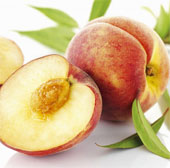
This delicious, economically valuable fruit has been domesticated by humans from wild plants to plants for at least 7,500 years ago.
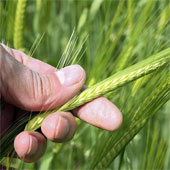
Scientists have published the most complete data regarding wild plants with relatives with today's popular food crops.

Ganoderma has a diameter of 92cm, 6 times the size of regular mushroom, attracting the attention of many people in Sichuan Province, China.
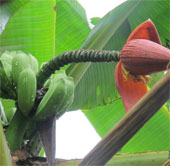
Botanists from Calicut University in Kerala, India have published descriptive information about the newly discovered wild bananas belonging to the genus Musa.
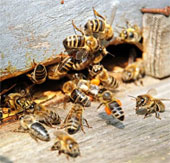
The diseases of home bees can spread to bees, bumblebees and natural pollinators for plants.

Scientists have sequenced the chili genome and discovered genes that make peppers spicy.

Flower lovers in the West have just been introduced to the first petunia varieties that are excellent in cold winter, surviving even though the ambient temperature is as…
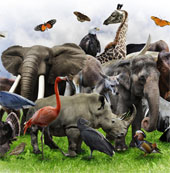
Can synthetic biology save the wild world? From regenerating extinct species to the risk of transgenic species.

Scientists studying data from 600 fields in 20 countries have found that nourished honey bees are not successful in pollinating crops with wild insects, mostly species.…
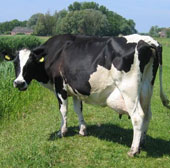
Russia has banned the import of a batch of animal-derived food products from 11 German companies in violation of food safety standards, involving a newly discovered viru…

A new study by British and Ethiopian scientists said that within 70 years, Arabica coffee, an important African coffee tree, will become extinct due to climate change.
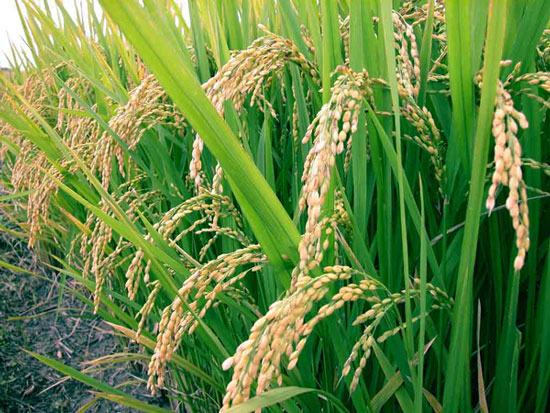
A research team from China and Japan has published a complete map of the gene variants of rice, which supplies food for half of the planet's population.
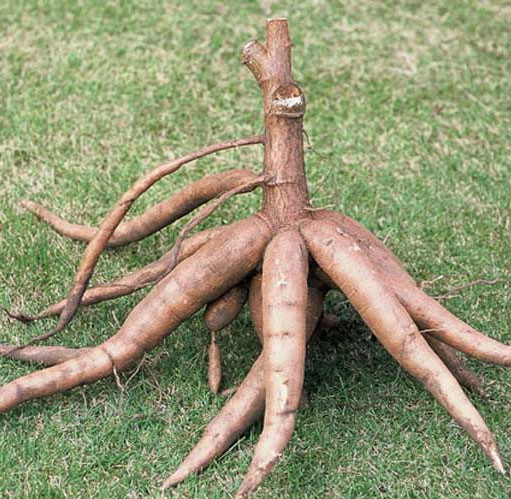
Creating a new hybrid variety from different cassava species could be a new way to improve this crop yield to help about 8 million people around the world.
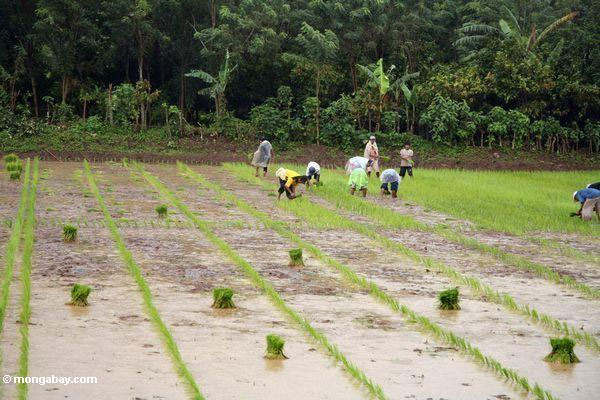
Scientists have discovered a gene in India's Kasalath wild rice variety that has the potential to increase rice production in poorly nutrient gravel soils.