
Medicine - Health
Strange fear syndrome that you may be suffering from but don't know how to call
People have a lot of fears and this constitutes a syndrome in English called
Browse ScienceInfo articles and explainers related to Word.
451 published items.
People have a lot of fears and this constitutes a syndrome in English called

The taste is described by 5 basic words you learned at the elementary level, including sweet, sour, bitter, salty and umami (sweet taste - borrowed from Japanese umami).

An archaeologist has long been able to complete many of the word-of-mouth, such as the
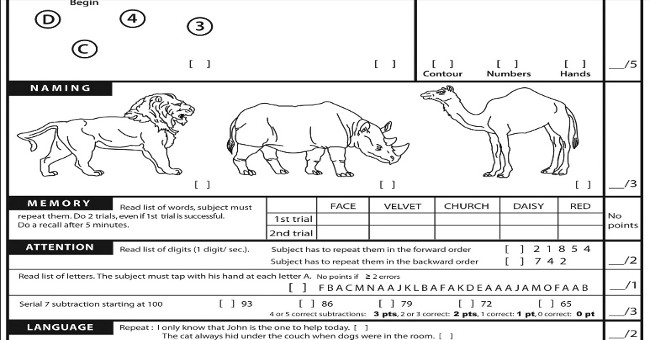
The MoCA time is about 10 minutes. Patients are asked to answer simple questions about memory and mental function.

According to a new study published, what you say in dreams is even worse than what you say in real life.

Sodoku is the Japanese compound of two words So is mouse, doku is poisoned. From the blood of patients with disease, people were isolated and twisted, named Spirillum mi…

Peter (England) died at the age of 13 because diabetes left a 4-letter method

Horror short stories for most of us just encapsulated in 2 words: Monday! The reason is probably everyone understands, because this is the all-day end of the weekend and…

Practice writing two hands at the same time, trying to reflect on colorful texts or numerical tables are helpful exercises for the brain.

Inside the words are very perplexed on the product packaging, there are only a few characteristics to note. What is that?

If seeing a very long word makes you panic because you can't read it, you have one of the most inexplicable fears. The irony is that the disease also has a strong name:…

Contrary to the grumbling words of wives about the harmful effects of drinking, actually drinking beer in moderate amounts (1-2 cups) is actually beneficial for health.
Researchers have discovered exactly how our brains make memories at the cellular level.

All your thoughts and actions can be controlled by someone. In other words, your brain can be hacked and you can be ... hijacked.

Education programs on television (TV) cannot help children learn words because they need an out-of-life dialogue for language development, a new study says.