As the body ages and declines in function, attention should be paid to diet to avoid harming health.
Over time, many functions of the human body begin to decline. The amount of calcium in the body also gradually decreases as age increases. In particular, in middle age , the amount of calcium in the bones will be lost rapidly, causing the bones to become brittle and many different symptoms appear. Therefore, middle-aged and elderly people should exercise appropriately to reduce the risk of osteoporosis, and at the same time eat foods rich in calcium to supplement calcium.
According to the recommendations made by the Ministry of Health in 2012, the nutritional needs of calcium for Vietnamese people are divided into groups as follows:
- Children from 0 - 6 months: need 300mg calcium/day.
- Children from 6 - 11 months: need 400 mg of calcium/day.
- Children from 1 to 3 years old: need 500 mg of calcium/day.
- Children from 4 to 6 years old: need 600 mg of calcium/day.
- Children from 7 to 9 years old: need 700 mg of calcium/day.
- People from 10 - 18 years old: need about 1000 mg of calcium/day.
- People aged 18 - 50: need about 1000mg calcium/day.
- Pregnant women and the elderly: need to supplement more calcium, about 1200 mg - 1500 mg calcium/day.
Thus, adults need about 1000mg of calcium/day to strengthen bones and joints, slow down the degeneration process, and avoid pain during movement. However, calcium supplementation cannot be done arbitrarily and unscientifically .
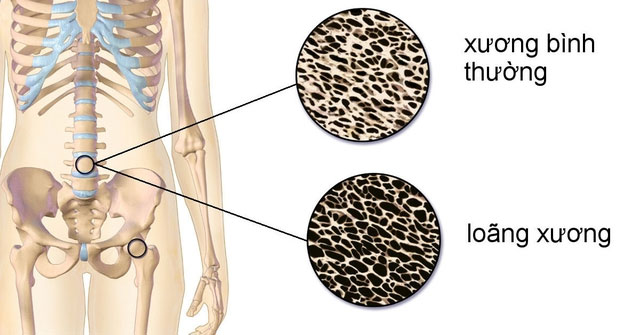
Lifestyle and nutrition have a direct impact on bone health.
Even in the daily diet, there are still many foods that have the potential to become "Kings of calcium theft". If you do not want to "get weak before old age", and break your bones after a slight fall, everyone should pay attention to limit the consumption of these 4 foods !
Type one: carbonated drinks
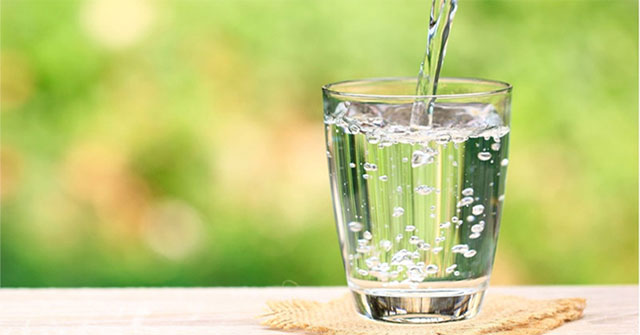
Carbonated drinks are popular drinks today. When consumed in large quantities, the carbonic acid in this type of drink enters the human body and combines with calcium to form calcium carbonate, which is eventually excreted from the body through urine. This condition causes calcium loss in the human body. If prolonged, it increases the risk of back pain, leg pain, hypocalcemia, etc. Especially in middle-aged and elderly people, whose body functions have already declined, and the added effects of carbonated drinks will make the condition worse.
Type two: foods high in sugar
The human body absorbs too much sugar not only increases blood sugar levels, but also produces acidic substances. Acidic substances will neutralize the calcium already in the body, and at the same time seriously affect the absorption of new calcium.
Sweets also deplete the body of vitamins and minerals during digestion, such as B vitamins - important nutrients involved in glucose metabolism, and calcium needed for strong teeth and bones.
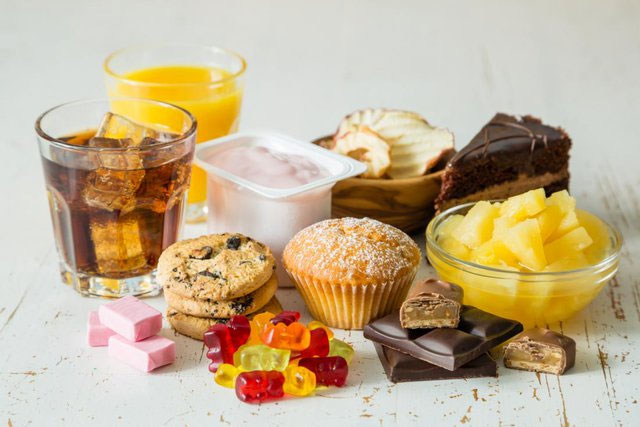
A high-sugar diet negatively affects bone health.
Third type: salty foods
Human life cannot be separated from salt, but eating too much salt will lead to many unwanted consequences for health, especially negative effects on bones. Salt causes calcium loss from bones, while calcium is an extremely important factor to protect the health and strength of bones.
In particular, when we eat too much salt, the kidneys have to work harder to remove salt from the body through urine. You will urinate more and excrete more calcium through urine.
Type four: high-fat foods
Research suggests that high levels of saturated fat in the diet may be a risk factor for osteoporosis. Red meat such as beef, buffalo, lamb, and horse meat are rich in saturated fat, and increased consumption of these fats may be associated with a higher risk of osteoporotic fractures. Red
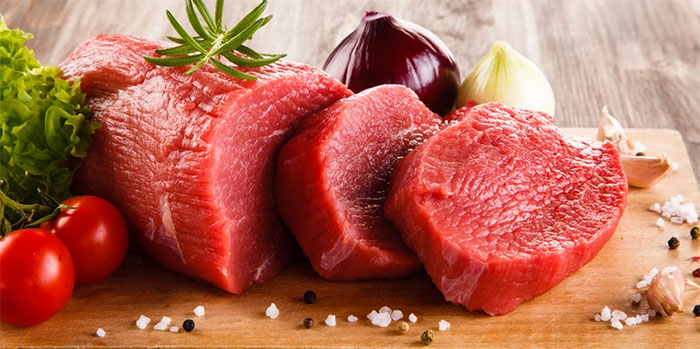 meat such as beef, buffalo, lamb, and horse meat are rich in saturated fat, and increased consumption of these fats may be associated with a higher risk of osteoporotic fractures.
In addition, fried foods have a high oil content. Eating too much can easily lead to increased blood fat and obesity, which is not beneficial for the body's absorption of calcium and minerals, causing loss of bone nutrients and increasing the risk of osteoporosis.
The high amount of saturated fat found mainly in processed meats interferes with calcium absorption in the gut. It also increases the risk of obesity, which can also negatively affect bone health, increasing stress on the skeletal system and reducing bone quality.
In addition, the risk of osteoporosis increases in the elderly, people with a sedentary lifestyle, smoking habits, drinking a lot of alcohol, especially a diet that does not provide enough calcium and vitamin D. Therefore, you should limit bad habits, gradually adjust your lifestyle to be healthier and more scientific.