Sushi is now considered a symbol of Japanese cuisine, but its origin is not from Japan .
Surprising facts about sushi
When it comes to Japanese cuisine, everyone immediately thinks of sushi . Sushi has now become a globally loved dish. However, not everyone who has eaten or even loves sushi knows its origin and interesting facts about it:
1. Sushi did not originate in Japan.
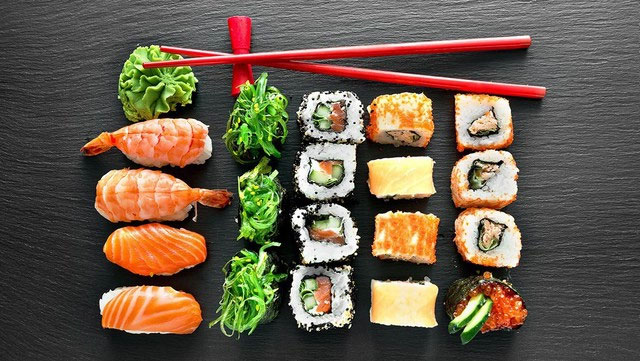
Many believe that sushi originated in Southeast Asia.
Although it is the 'national' cuisine of the Land of the Rising Sun, many people believe that the original origin of sushi is not from here, but in Southeast Asia.
It is believed that 'narezushi' (fermented fish wrapped in sour rice) originated somewhere along the Mekong River before reaching China and eventually Japan. Of course, it was the Japanese who popularized and turned sushi into an entire culture. The sushi we are familiar with today originated with a chef named Hanaya Yohei in Japan during the late Edo period around the mid-1800s.
2. Sushi was originally a street food.
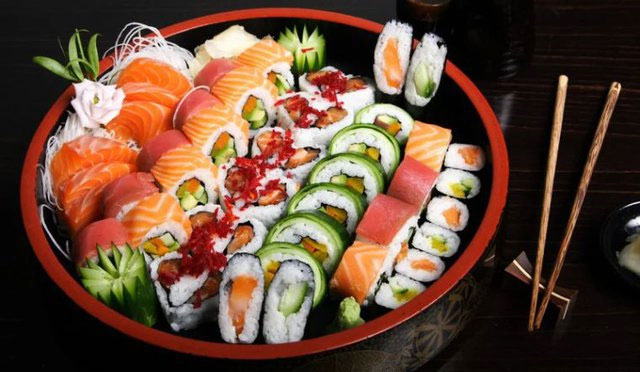
When it first appeared, sushi was just a cheap, popular dish.
Nowadays, sushi is a 'luxury' dish sold in high-end restaurants. However, when it first appeared in Japan, it was just a cheap, common dish often sold at street stalls.
The 'status' of sushi changed after an.earthquake. The 1923 earthquake in Japan made sushi popular. The reason was that sushi street vendors were able to buy restaurants and serve sushi because real estate prices were at record lows. The opening of many sushi shops made the dish accessible to a much larger audience than if served on the roadside.
3. Real wasabi is extremely expensive.
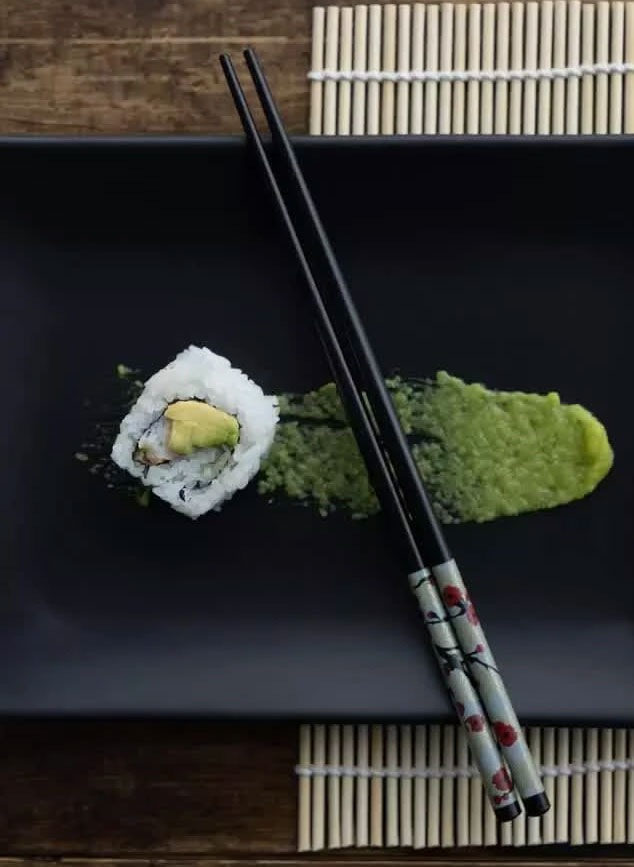
Real wasabi is extremely expensive.
Wasabi is an essential condiment for sushi. But most of the wasabi you see in restaurants isn't real wasabi. It's actually horseradish and mustard powder that's been colored green to look like the real thing.
Real wasabi is incredibly expensive. Many restaurants that sell real wasabi charge extra for it.
4. Sushi rice used to be thrown away.
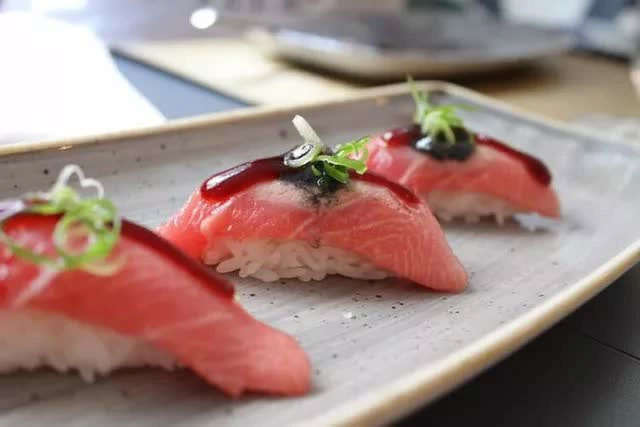
When it first came out, its characteristic was that it had rice wrapped around fish.
When sushi was invented, it was characterized by rice wrapped around fish. But at first, this rice was not meant to be eaten, but its function was to provide a unique flavor, preserve the fish, and protect it from insects. When eating, people would throw away the rice. Later, because they found this way of eating too wasteful, people started eating the rice as well.
5. The word 'sushi' refers to rice.
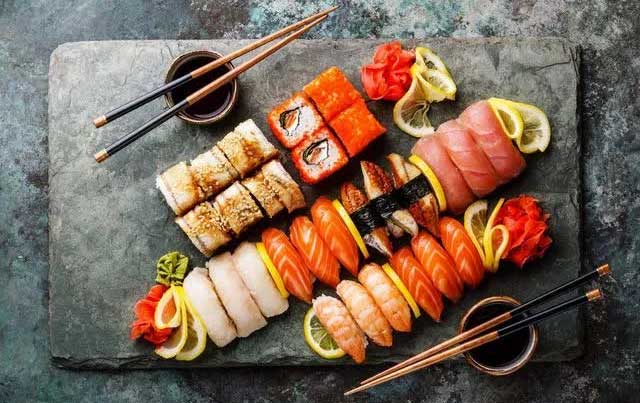
Many people are a little confused when they are served sushi without fish or toppings on top of the rice. In fact, even if it is just a piece of vinegared rice, it is still called sushi because the word sushi actually refers to the rice.
6. Seaweed isn't the only sushi wrapper

In addition to seaweed, eggs, thinly sliced cucumbers or avocado can also be used to wrap sushi.
While seaweed is the most common ingredient used as a sushi wrap, there are other things that can be used such as eggs, thinly sliced cucumbers, avocados, or even soybeans. If you are not a fan of seaweed, you can try these alternatives.
7. The plastic in your take-out sushi box means more than you think.
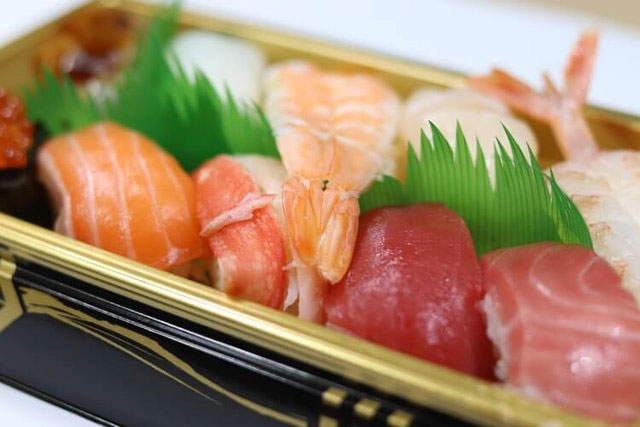
This blue plastic piece is used to protect the natural flavor of the ingredients and prevent odor transfer.
We often see green plastic pieces like fake grass in take-out sushi boxes. It is not simply a decoration or a separator between sushi pieces.
Placing leaves between foods like fish and rice is a centuries-old practice in Japanese cuisine. This is called haran and it is used to preserve the natural flavors of the ingredients and prevent odors from mingling.
Nowadays, Japanese chefs use bamboo leaves. These leaves not only prevent the spread of aromas but also slow the growth of bacteria, helping the fish stay fresh longer. In other countries, plastic sheets are used.
8. Women are banned from being sushi chefs.
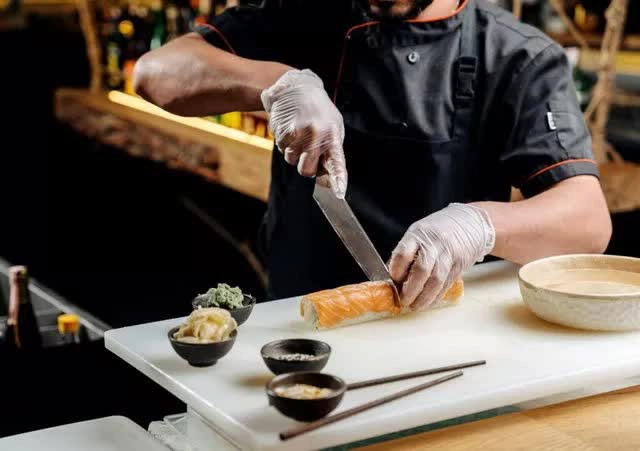
There are many reasons why women are not allowed to stand behind sushi pants, not because of male chauvinism.
It can take up to 10 years for a chef to achieve the title of sushi master. But if you are a woman, it may take forever.
Many traditional restaurants in Japan still ban women from standing behind the sushi counter for a number of reasons that go beyond feudal patriarchal ideology .
First , it is believed that women's hair and makeup will change the taste and smell of sushi.
Second , women have their periods. To become a sushi master, you need to have a very stable and consistent taste. While women can have days when their body temperature is higher and their taste buds are unbalanced.
Of course, in modern times, some high-end restaurants in Japan have also begun training women to become sushi masters.