How Does a Fusion Reactor Work?
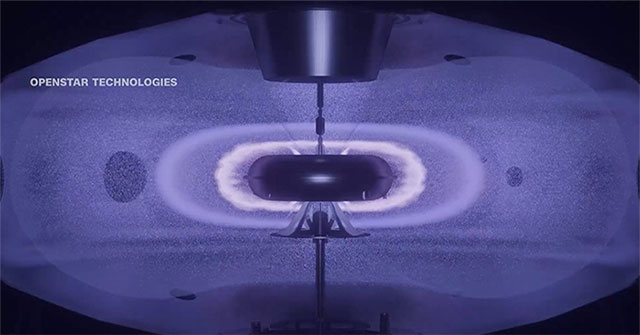
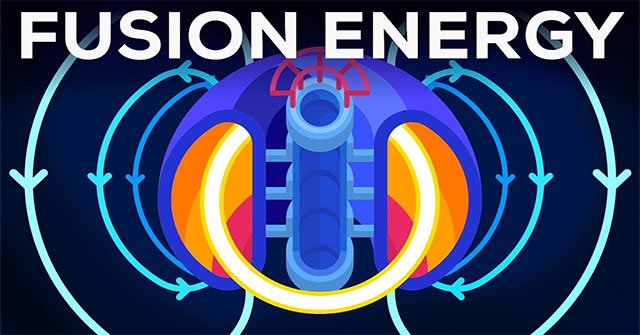
A fusion reactor aims to create a hot plasma in which light nuclei fuse, confine or compress that plasma long enough to release useful energy, then capture the energy in a form that can ultimately produce electricity.
Explore the physics and engineering of fusion energy, including plasma confinement, tokamaks, ignition and the path toward practical reactors.
Begin with clear explanations of the key ideas, discoveries and questions in this subject.
A fusion reactor aims to create a hot plasma in which light nuclei fuse, confine or compress that plasma long enough to release useful energy, then capture the energy in a form that can ultimately produce electricity.
Nuclear fusion releases energy when light atomic nuclei combine into heavier nuclei; on Earth, fusion-energy research focuses on creating and control…
Fusion ignition is a condition in which heating from fusion products becomes strong enough to sustain or amplify the fusion burn without relying only…
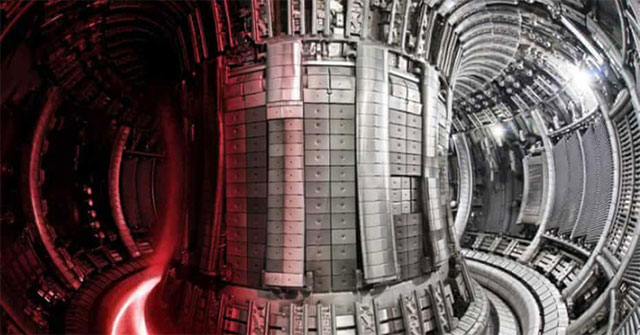
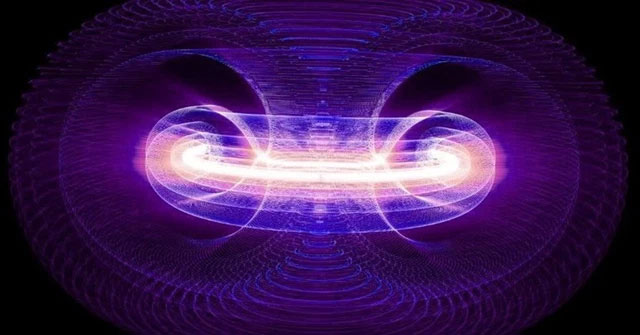
A tokamak is a doughnut-shaped magnetic-confinement device designed to hold extremely hot plasma using strong magnetic fields so controlled nuclear f…
The JT-60SA reactor, as tall as 6 buildings in Japan, will create plasma as hot as 200 million degrees Celsius, paving the way for the goal of obtain…
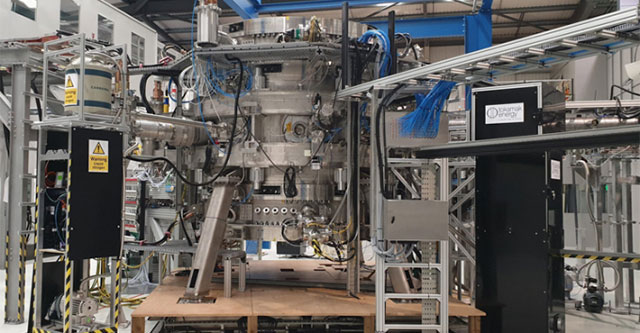
The plasma electricity will push the temperature in the UK's Tokamak ST40 fusion reactor to 100 million degrees Celsius, providing clean power to…
Read recent ScienceInfo stories and explainers about Nuclear Fusion.
A New Zealand company is trying to recreate the energy of a star on Earth, using a new type of fusion reactor.
Helical Fusion's spiral fusion reactor can operate stably for a long time with an initial power of about 50 - 100 MW.
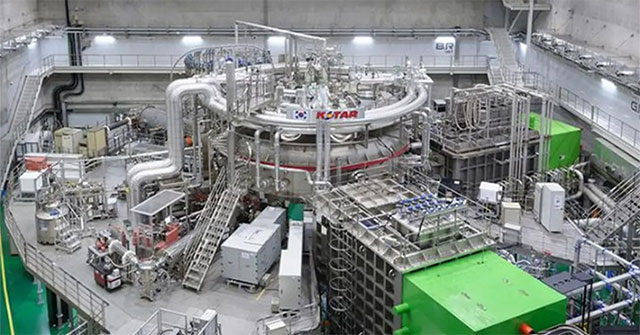
Using a new tungsten diverter, the KSTAR fusion reactor successfully maintained a temperature of 100 million degrees Celsius for 48 seconds.
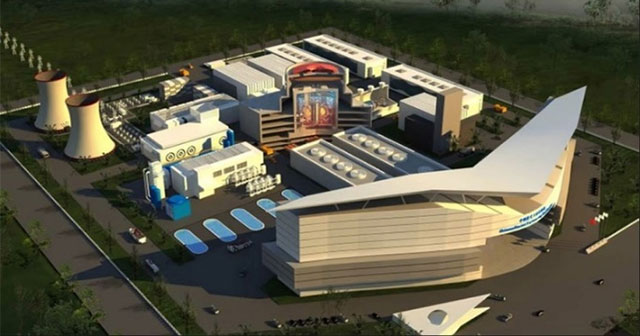
A Chinese research team has designed the world's first plant that can turn fusion energy into electricity without shutting down the power grid.
The British company's spherical tokamak reactor achieves new achievements, moving closer to the goal of efficient fusion energy extraction.
The JET reactor set a new record by generating 59 megajoules of energy in a reaction that lasted 5 seconds.
Scientists have made a big step forward in their efforts to realize an efficient fusion reactor. New research could help create an entirely new source of energy, while r…
Is this the answer to the world energy crisis certainly going to take place?
Continue with more articles, discoveries and explanations from this subject.
On March 23, the Hefei Institute of Physical Sciences of the Chinese Academy of Sciences (CAS) said it had successfully tested the nuclear fusion reactor in early 2006 t…
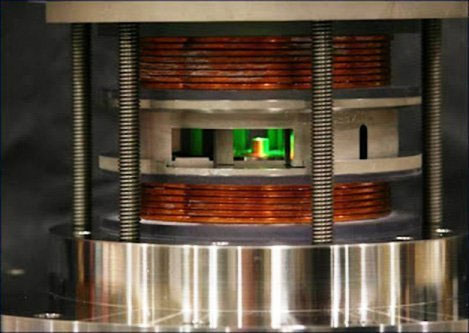
Scientists have discovered a new type of nuclear fusion that ensures high energy efficiency and utilizes seawater without costly fuel.
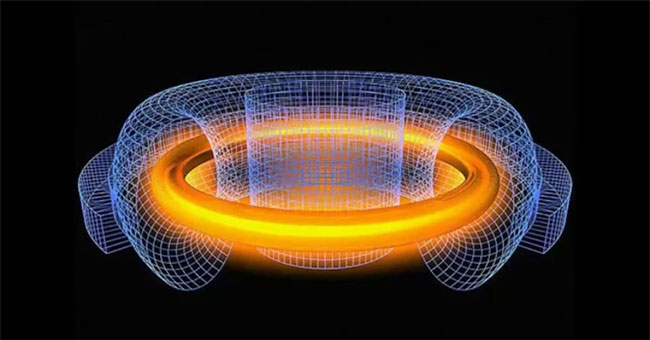
A step closer on the long journey to the dream
We all know about China with its coldness and horrible frost in winter. So the government of this country has joined scientists to build a solution.
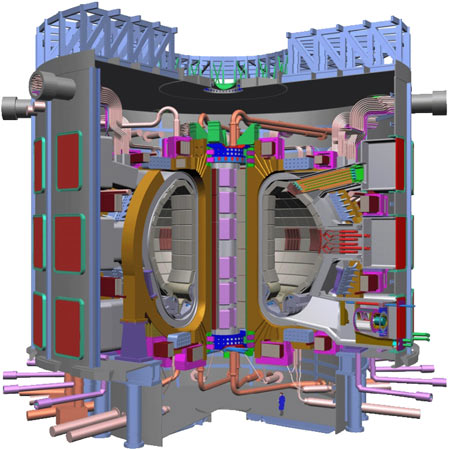
Helium (He) is the element in the periodic table of the chemical element He and has the atomic number 2.
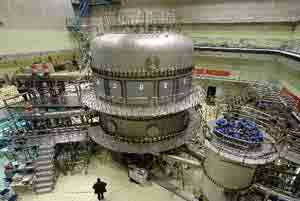
The Plasma Physics Institute of the Chinese Academy of Sciences (CAS) will put the next-generation experimental nuclear fusion reactor to be tested in July or August 200…
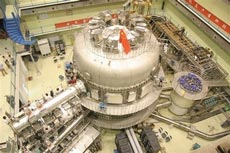
Chinese scientists claim to have successfully tested a fusion energy reactor in the laboratory and said it was the first device in the world that could provide a clean a…

The aircraft does not emit carbon dioxide by using energy from a small fusion reactor (CFR). The reactor will give Magavem a large amount of electricity without affectin…
Physicists have claimed to have solved a common problem in fusion reactors - a solution considered as a clean, cheap, safe, and almost limitless source of energy for the…