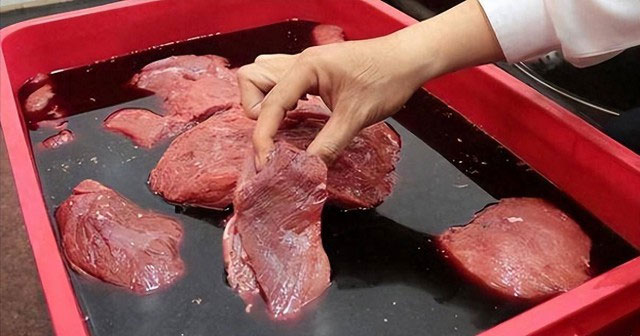
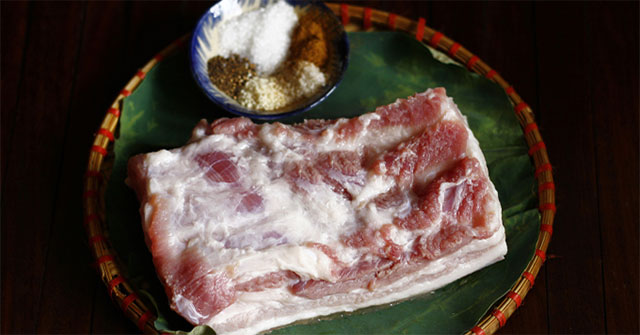
For Vietnamese people, dogs and cats are close and beloved pets. On the other hand, out of humanity, the slaughter and sale of these animals' meat should be avoided. However, let's temporarily set aside the sensitive and civilized issues, such as the fact that dogs are man's best friend.
To date, there have been no cases of fatal poisoning from eating dog meat. However, deaths from rabies due to dog bites, injuries, and being eaten by dogs are quite common. Therefore, priority should be given to raising awareness and penalizing those who keep dogs without vaccinating them against rabies, without muzzling them when taking them out in public, and without cleaning up after their dogs defecate in public places.
Western countries do not eat dog meat because it has become a habit and part of their culture. However, the preference for eating dog meat still persists in Eastern countries. Currently, Vietnam is the second largest consumer of dog meat in Asia, after China.
However, most dog meat consumed in the market is slaughtered at households, not at slaughterhouses, and is not subject to inspection and supervision by specialized agencies. Dogs and cats brought in for slaughter also lack clear origins (unlike other livestock and poultry that are raised and managed strictly according to VietGAP standards.), mainly collected from various sources and regions, making it difficult to inspect and control disease outbreaks.
The risk of food safety issues is very high, even fatal, if dog meat infected with rabies or other pathogenic microorganisms is consumed. According to the Veterinary Law, regulations regarding the use of livestock and poultry meat for food must comply with quarantine, slaughter control, and food safety regulations.
Currently, Vietnamese law does not prohibit the consumption of dog meat, but it also does not include dogs in the list of livestock raised for slaughter as food for humans. The current consumption of dog meat poses many health risks due to the lack of inspection and control by state authorities in the breeding and slaughtering processes.
Because authorities have not yet licensed the establishment of dog slaughter facilities, and the supply of dog meat mainly comes from unclear sources, or from dogs stolen and supplied to dog meat businesses; those involved in the slaughter and trade of dogs are also susceptible to infectious diseases such as leptospirosis, cholera, and rabies. There are even cases where people contract rabies without being bitten by a dog because someone with an open wound participates in slaughtering dogs, leading to infection.

The harmful effects of eating dog meat.
The main harm from eating dog meat stems from the inability to guarantee the meat's quality and cleanliness. Normally, dogs are not inspected during breeding or slaughter. They can become infected with worms, tapeworms, and other parasites, which can then be transmitted to humans through food. Parasites, especially eggs and larvae, do not develop into worms in the intestines but instead invade the liver, lungs, other organs, and even the brain and eyes. This phenomenon is known as visceral larva migrans syndrome, causing many dangerous diseases in humans.
- The risk of contracting rabies from eating dog meat or dog blood soup is very high if it is not thoroughly cooked. Even a small oversight, such as getting dog saliva on the food or your hands, could lead to contracting this disease for which there is no specific treatment.
- If rabies virus or parasites present in dog saliva enter the human body, they can cause extremely dangerous effects. The mortality rate is almost 100% if they invade our nervous system.
- Eating dog meat can expose you to chemicals used in poisoning. During the preparation process, many dogs are brought to be slaughtered from stolen sources. The risk of them being poisoned is very high. This toxin can enter the bloodstream and cannot be completely neutralized by cooking. When consumed, mild symptoms include dizziness, stomach pain, and vomiting; more severe symptoms can include seizures, convulsions, or even death.
- Eating dog meat can cause rabies. According to the World Health Organization (WHO), people who habitually eat dog blood soup, undercooked meat, or use unclean knives and cutting boards contaminated with saliva from infected dogs can contract rabies.
- Streptococcus suis infection. In addition, people who eat dog meat also risk contracting various gastrointestinal bacteria, and more dangerously, Streptococcus suis infection which can cause meningitis and septic shock, potentially life-threatening.
- Eating dog meat that has been poisoned can cause blood clotting disorders. People who eat dog meat contaminated with poison are easily poisoned by the poison, leading to blood clotting disorders, cirrhosis, kidney failure, etc.
Eating dog meat can cause indigestion and bloating. Dog meat contains many nutrients and is rich in protein. If you eat too much dog meat, you will experience internal heat, bloating, indigestion, and sluggishness because your body has to absorb too much protein that it hasn't had time to digest.
- Eating dog meat can affect the liver and kidneys. Regularly consuming dog meat over a long period makes digestion difficult, and the kidneys and liver cannot cope, leading to liver diseases such as cirrhosis or kidney failure and gout. More dangerously, your liver and kidneys will have to work at full capacity, leading to overload and negatively impacting their function if you eat dog meat too much and too often.
- Eating a lot of dog meat is not recommended because our bodies will absorb more hormones caused by hyperthyroidism, leading to the risk of exogenous thyrotoxicosis (thyroid disorder).
Therefore, consuming dog meat is a bad habit that should be abandoned, especially during this period of integration and interaction with the world and the process of building an image of a civilized and modern Vietnam. Further awareness campaigns are needed to educate the public and expand this practice to other provinces and localities.