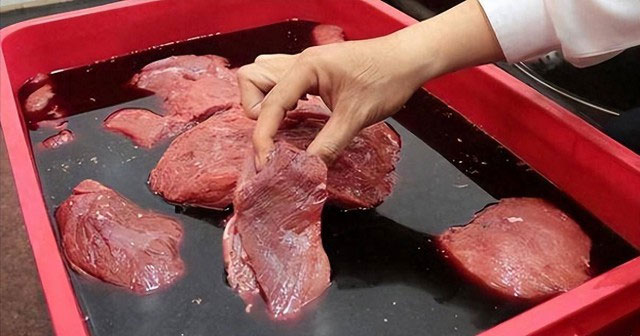
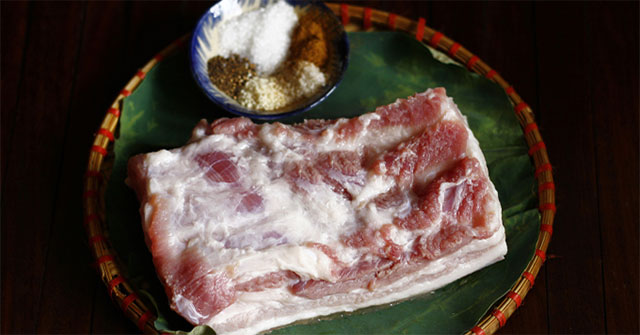
Ensuring food safety and hygiene plays a crucial role in protecting public health, contributing to reducing disease rates, maintaining and developing the human race, enhancing labor and learning capacity, promoting economic, cultural, and social growth, and reflecting a civilized way of life.
Despite significant advancements in science and technology in food protection and safety, as well as management and educational measures such as enacting laws, regulations, and conducting food safety inspections, illnesses caused by poor food hygiene and quality still account for a relatively high percentage.
Here are 11 tips to help you prevent food poisoning:
1. Choose fresh and clean food.
- With vegetables
- Fruits and vegetables: Choose fresh ones that are not bruised or damaged and do not have any strange odors.
- The meat must undergo veterinary inspection and meet fresh meat standards.
- Fish and aquatic
- The product must be fresh, retain its normal color, and show no signs of spoilage.
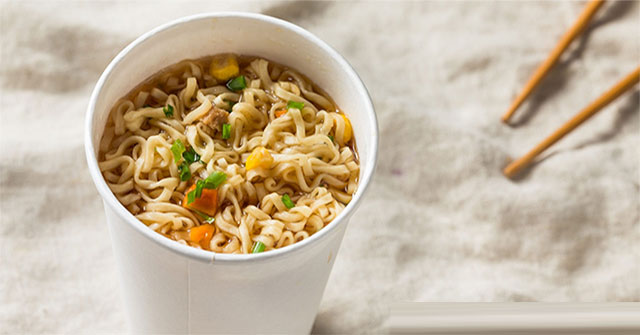
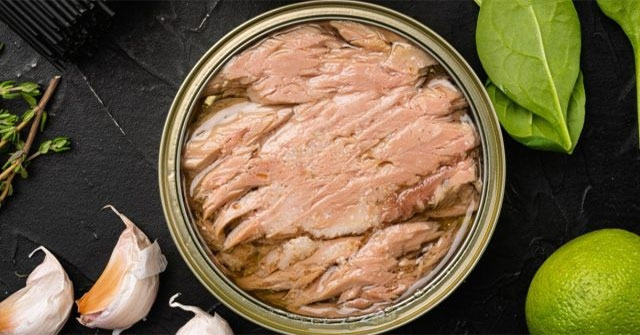
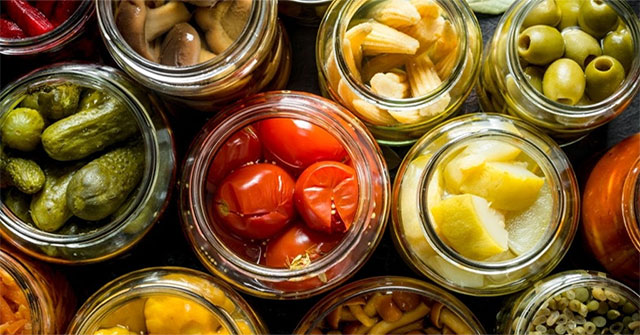
Processed foods must be canned or packaged securely, and must have labels that fully detail the product name, weight, main ingredients, storage and usage instructions, place of production and processing; a production registration number and a valid expiration date. For canned goods, do not choose cans that are dented, bulging, or rusty.
- Do not use dried food that has become moldy.
- Do not consume unfamiliar foods (unusual fish, vegetables, fruits, or mushrooms) whose origin is unknown.
- Do not use food colorings or artificial sweeteners that are not on the list of permitted substances by the Ministry of Health.
2. Maintain hygiene in eating and food preparation areas.
- The food processing area must be free of standing water and located away from areas with smoke, dust, toilets, or livestock and waste disposal that could pollute the environment.
- All surfaces used for food preparation must be easy to clean and kept clean and dry at all times.
- The kitchen must be well-lit and ventilated.
- There must be sufficient clean water for food processing and regular cleaning of the processing area.
Prevent cockroaches, rats, and other animals from entering the food processing area.
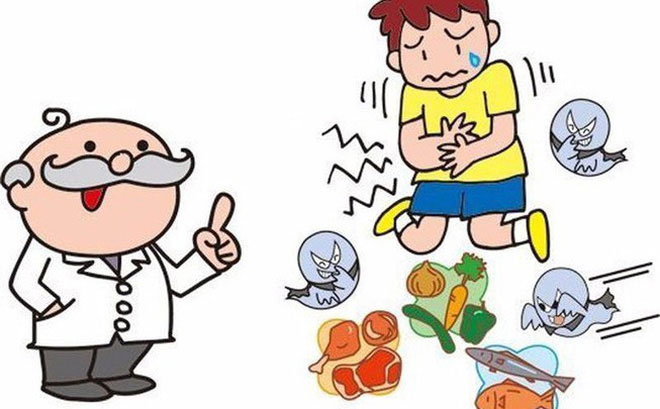
Using dirty utensils overnight for cooking can easily lead to food poisoning.
3. Use clean cooking and eating utensils.
- Do not leave dirty utensils overnight.
- Dishes should be washed immediately after use. Do not use damp, moldy, or greasy cloths to dry dishes. If dishes need to be used immediately after washing, they should be rinsed with boiling water.
- Utensils that come into contact with cooked and raw food must be kept separate.
- Do not use chipped or rusty utensils as they are difficult to clean.
- Leftover food and food waste must be placed in sealed containers with lids and removed daily.
- Only use soaps and detergents for cleaning eating utensils that are approved by the Ministry of Health to avoid leaving toxic residues in food.
- Avoid using copper, aluminum, processed glass, or colored recycled plastic utensils for cooking or storing acidic liquids or alcoholic beverages, as they can leach heavy metals like lead and copper, or food additives.
- Under no circumstances should packaging that has previously contained toxic chemicals, pesticides, veterinary drugs, bleach, or disinfectants be used to store food.
4. Prepare food hygienically and cook it thoroughly.
- Vegetables and fruits should be soaked in clean water and then thoroughly washed under running water or in a basin, changing the water 3-4 times.
- Frozen foods must be completely thawed and washed before cooking.
- Boiling temperatures can kill most disease-causing bacteria, but it's crucial to cook thoroughly to ensure even boiling. Pay attention to the meat near the bone; if it still has a pink or red color, it must be cooked again until fully done.
- You should avoid eating raw foods such as raw fish salad, rare beef salad, etc.
5. Eat immediately after the food is cooked or prepared.
- Cooked food left to cool at room temperature is susceptible to bacterial contamination and growth. For safety, it's best to eat food immediately after it's cooked while it's still hot.
- For foods that don't require cooking, such as bananas, oranges, melons, and other fruits, they should be eaten immediately after peeling or cutting.
6. Store cooked food carefully and reheat thoroughly before eating.
- If food needs to be prepared in advance or waits more than 3 hours, it should be kept hot at 60°C or cold at ≤ 10°C. For young children, food should be fed immediately after it has cooled down, and this preservation method should not be applied.
- Avoid putting too much warm or hot food into the refrigerator.
- Do not mix raw and cooked food.
- Do not use knives or cutting boards that have just been used to cut raw meat and have not been properly washed to cut cooked food.
- Food must be covered tightly to prevent flies and insects from getting in.
- Do not use your hands to handle cooked food or ice for drinks.
- Do not keep chemicals, pesticides, or other toxic substances in the food processing area.
- Store packaged foods properly according to the instructions on the label.
- Reheating food to a uniform boiling temperature right before eating is the best way to prevent bacteria from growing during storage.
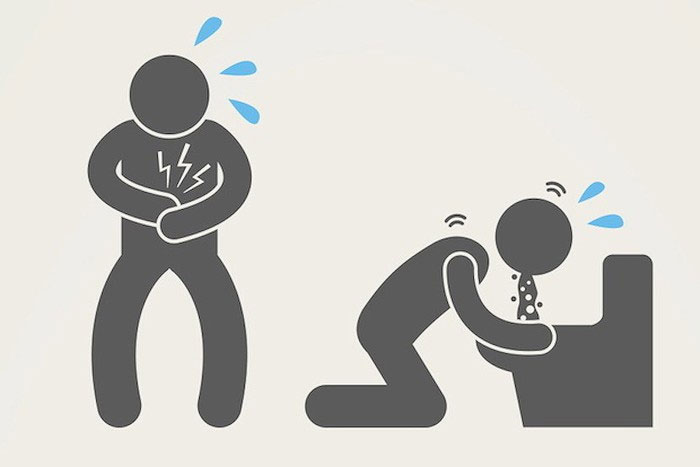
Mixing raw and cooked food can easily cause food poisoning.
7. Maintain good personal hygiene.
- Childcare providers should wash their hands with soap and water before feeding children or handling food, after using the toilet, and after handling raw food.
- Dress in clean clothes and keep your hair tidy when preparing food.
- Do not smoke, cough, or sneeze while preparing food.
- Keep your nails short and clean.
- If there is a wound on your hand, it should be covered with a waterproof bandage.
- Avoid contact with food if you have stomach pain, diarrhea, vomiting, fever, or symptoms of an infectious disease.
8. Use clean water for drinking and cooking.
- Use common water sources such as tap water, well water, rainwater, and treated river or stream water to wash food, prepare meals, and clean utensils.
- The water must be clear, odorless, and tasteless.
- Water containers must be clean, free from moss and dirt around the edges or at the bottom, and have lids.
- Use boiled water for drinking or to make beverages, ice cream, or ice cubes.
9. Use clean, appropriate, and hygienically compliant food packaging materials.
- Do not use old books or newspapers to wrap cooked food.
- Packaging materials must be clean, preserve the appealing taste and color of the food, and prevent the transfer of toxic substances to the food.
- Food labels must be truthful and contain all necessary information such as product name, weight, main ingredients, storage and usage instructions, place of production and processing, production registration number, and expiration date.
10. Implement hygiene measures to prevent disease and maintain a clean living environment.
- Implement measures to eliminate flies, cockroaches, rats, etc., and provide guidance on hygiene and disease prevention as directed by the health sector.
- Waste must be placed in sealed, lidded containers and disposed of at the designated times and locations.
Home remedies for food poisoning
What should you eat if you have food poisoning?