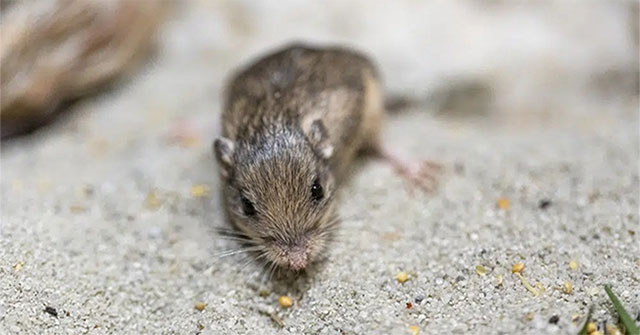
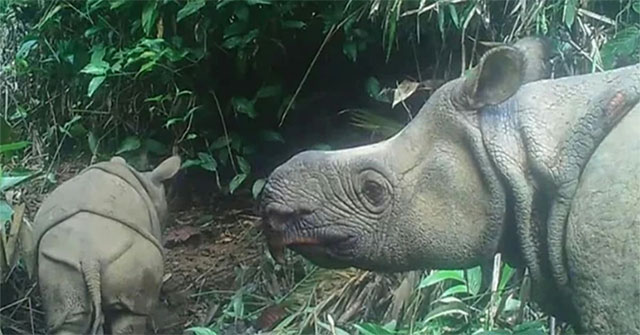
"Living fossils" refer to species that have not evolved significantly over millions or hundreds of millions of years and still appear to be similar to their fossil ancestors today.
They may evolve in some way genetically but tend to stay anatomically unchanged, according to Live Science.
1. Goblin Shark
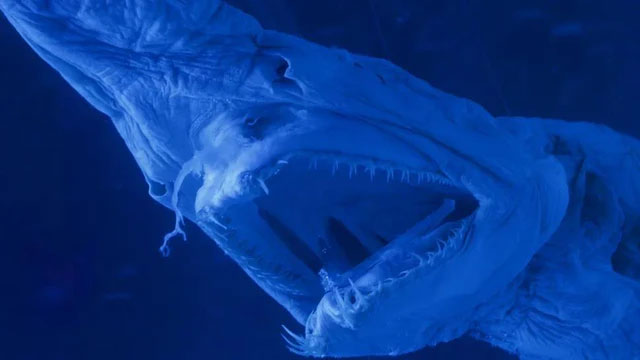
Goblin shark - (Photo: LIVE SCIENCE).
With an appearance worthy of its name, the creature that lives in both the Pacific, Atlantic and Indian Oceans retains the same monstrous appearance it had when it first appeared 125 million years ago.
They have unique adaptations that make them super predators and resilient enough to survive mass extinctions.
2. Horseshoe crab
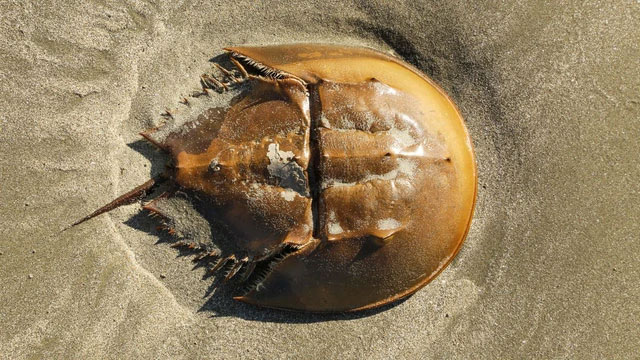
Horseshoe crab - (Photo: LIVE SCIENCE).
This 300-million-year-old species doesn't look like any ordinary crab you might buy to cook, but rather resembles images of ancient creatures from distant geological eras.
Closely resembling prehistoric crabs and called "crabs," this creature, older than dinosaurs, is more closely related to spiders and scorpions.
3. Platypus
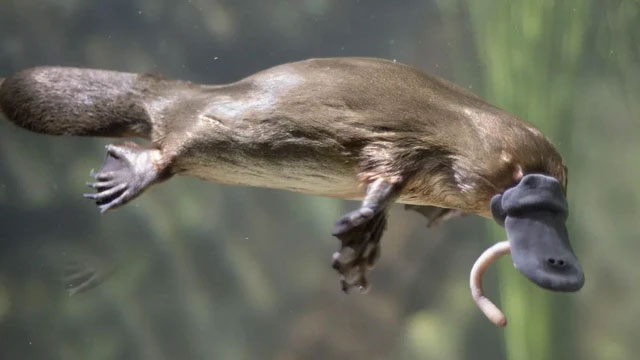
Platypus - (Photo: LIVE SCIENCE).
This bizarre animal is a 110 million year old living fossil, born in the Cretaceous period, which was also the golden age of dinosaurs.
The platypus' genetic code is a mix of mammalian, bird and reptile, according to a study published in the journal Nature.
4. Komodo Dragon
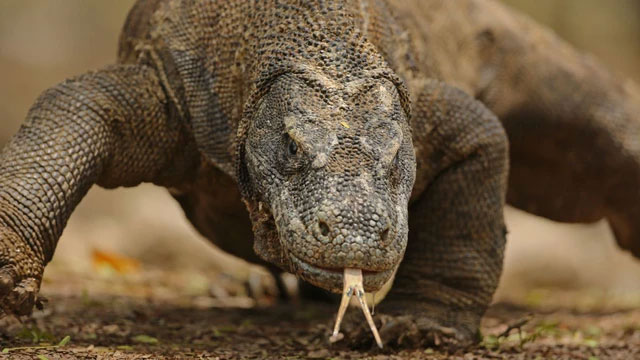
Komodo Dragon - (Photo: LIVE SCIENCE).
Indonesia's iconic animal has retained its fearsome appearance since it appeared on the land that is now Australia some 100 million years ago.
It remains the dominant predator to this day, long after its 'contemporary neighbors' - the dinosaurs - have become extinct. It can eat up to 80% of its body weight in a single go, and it is huge: 3 m long, 150 kg in weight.
5. Cockroaches
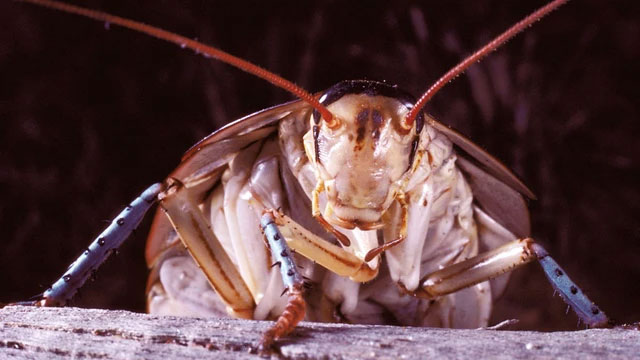
Cockroach - (Photo: LIVE SCIENCE).
Sadly, the creatures you tirelessly exterminate in modern homes are of an "immortal" breed, as they are older than dinosaurs.
They have taken on the same form as they do today and have survived many mass extinctions. In addition, there are now 4,000 species in this family, all with similar appearances and similar early ancestors!
6. Nautilus
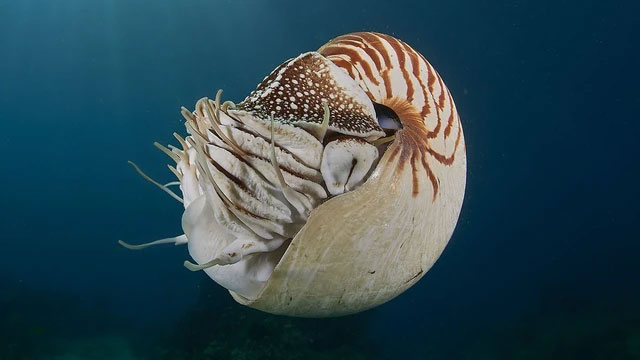
Nautilus - (Photo: LIVE SCIENCE).
You might be thinking to yourself that this strange snail looks like one of those paintings depicting the Cambrian "biological explosion" . You'd be right, it's the world's oldest living fossil, a surviving ancestor of the Cambrian period (about 541 to 485 million years ago).
It was the beginning of the Paleozoic era, a geological period that ended tens of millions of years before the dinosaurs appeared (the last period of the Paleozoic era was the Diapsid period (about 299-252 million years ago).
Nautilus snails today live in the Pacific and Indian Oceans.