Animal world
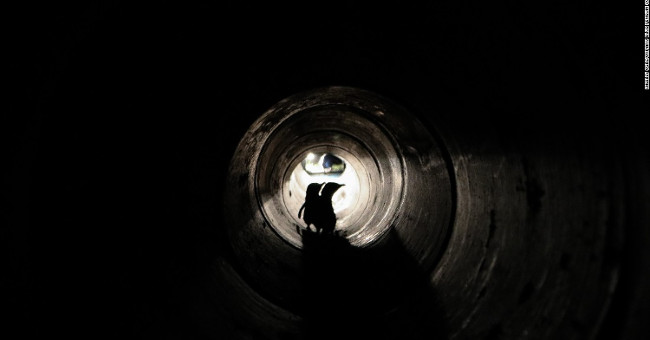
New Zealand built a tunnel for penguins
The 25m-long tunnel in Oamaru Harbor, Otago region, New Zealand helps small penguins move safely between the nest and the beach where they feed.
Discover wildlife, animal behavior, unusual species, survival strategies and remarkable adaptations from ecosystems around the world.
6,142 published items in this category and its subcategories.
The 25m-long tunnel in Oamaru Harbor, Otago region, New Zealand helps small penguins move safely between the nest and the beach where they feed.
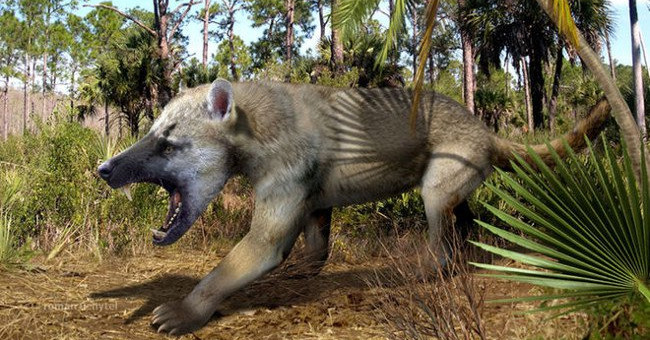
The bear dog, also called Amphicyon, bears the characteristics of bears (large body, big feet with bare feet to stand upright with two legs) and dogs (relatively long le…
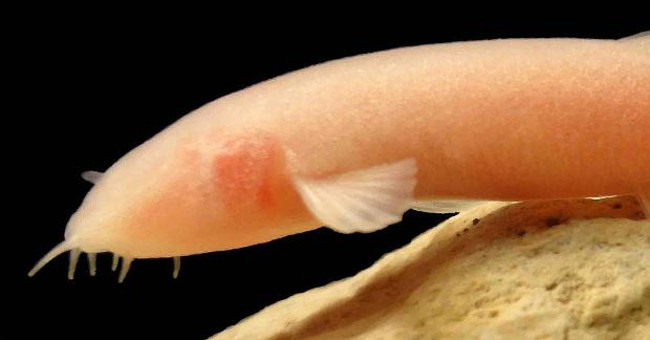
Scientists at the German Institute of Freshwater Ecology Leibniz have discovered blind fish, completely without eyes in Iraqi Kurdistan.
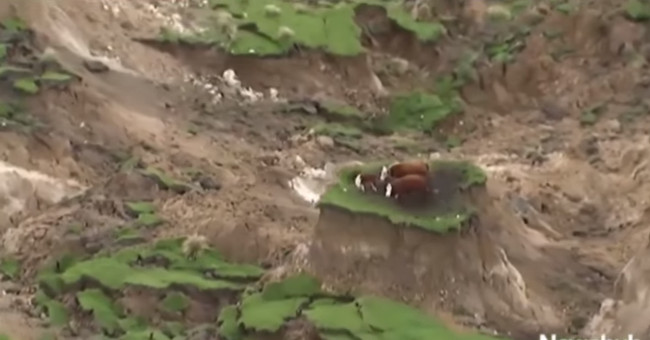
Two cows and one calf squirm on the narrow mound after the surrounding area collapses in the 7.8-magnitude quake.
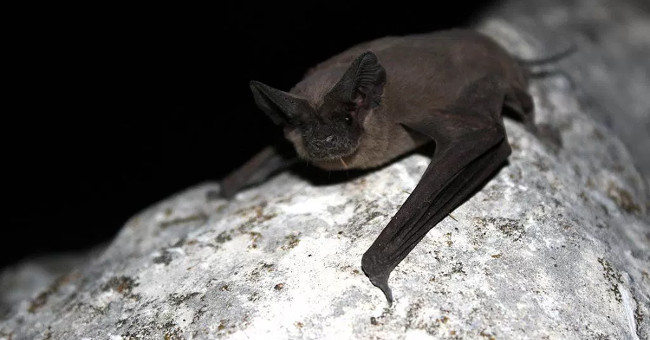
The ideas of birds with ideal aerodynamics are the names that need to be mentioned, but the truth is not so.

A heterosexual pig born with genitals on the nose in China has caused a lot of curiosity.

Millions of years ago there was a small spider that covered the ocean and invaded the world.
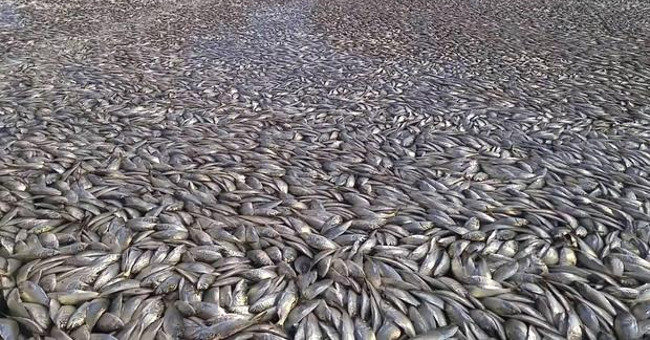
Thousands of Atlantic oil sardines are trapped in the Shinnecock channel, the United States and died of suffocation, covering the canal.
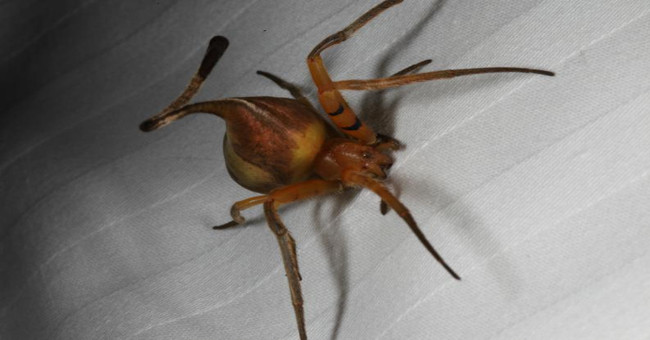
Scientists have discovered a unique leaf-shaped spider that has absolute perfect camouflage ability in tropical rain forests and a nesting behavior combined with a leaf…
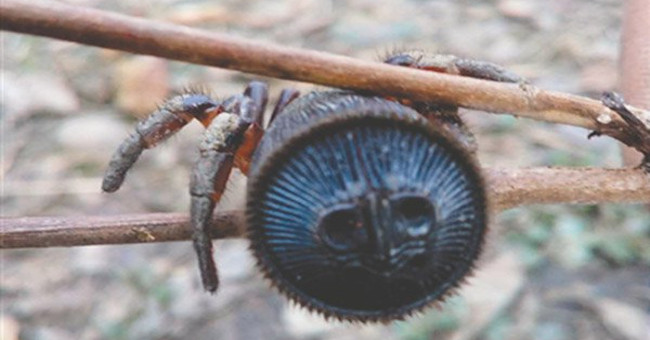
A Sichuan farmer found a rare spider with a coin shape underneath it, one of the earliest spiders in China.
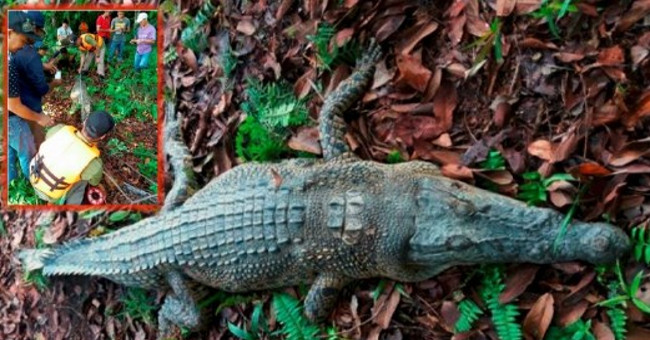
On November 21, Malaysia authorities caught a crocodile that was supposed to swallow a man.
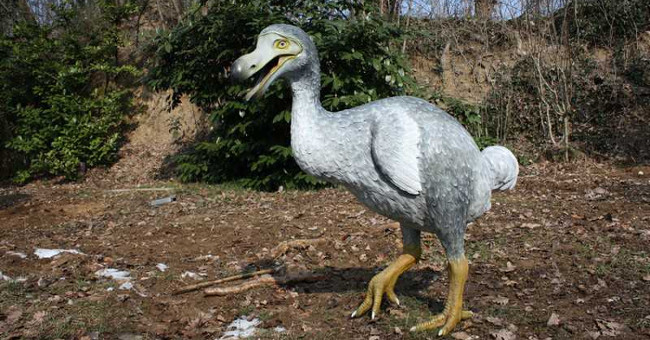
The skeleton of the dodo bird, which once appeared in the work
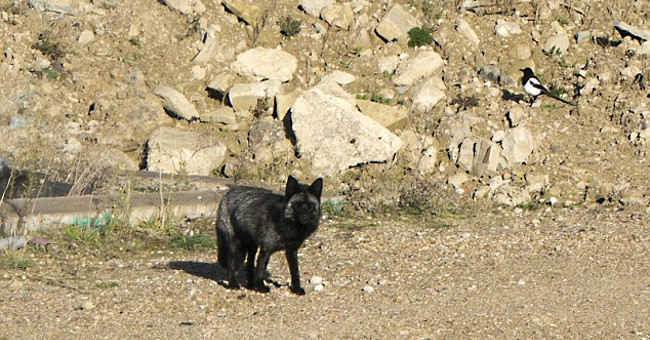
Mr. Paul Stevens, 67 years old in England could not believe his eyes when he saw the extremely rare black fox in nature.
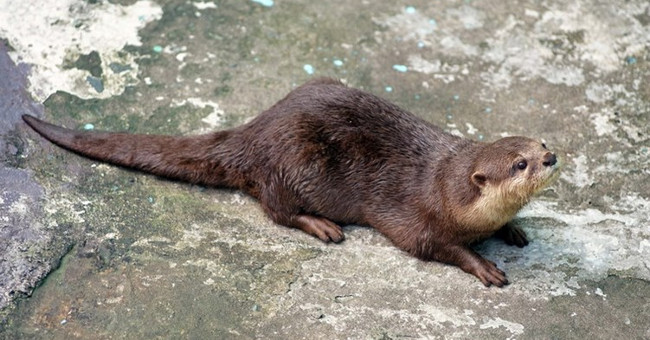
Silky otter is a super adorable wild animal of Vietnam. Unfortunately, their numbers are severely reduced.
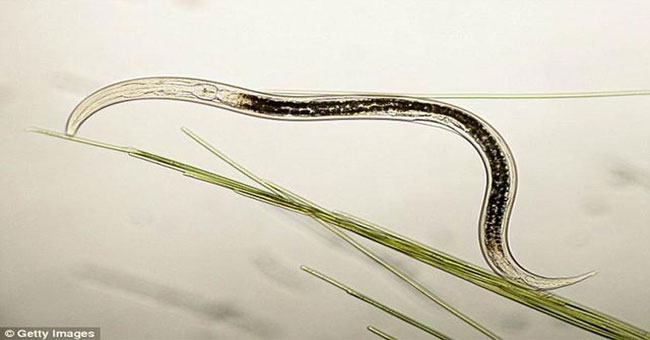
Can animals 'taste' be light? Through research, it has been found that worms' cells can detect light rays 50 times better than human eyes.