Environment
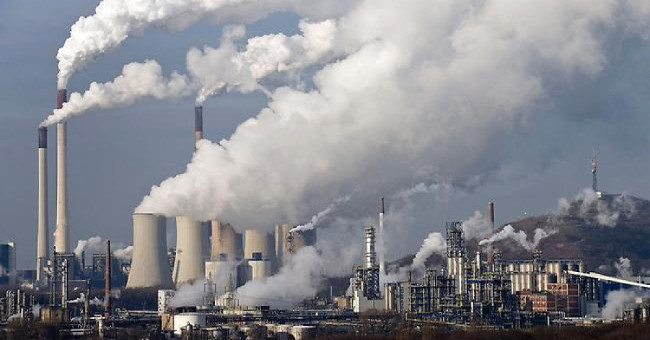
Carbon is not the enemy of the Earth, the world needs to reconsider it
In the article, McDonough points out that carbon is not a chemical element for us to say bad. On the contrary, it is an essential part of life on Earth.
Explore climate, weather, energy, ecosystems, pollution, natural resources and environmental changes affecting regions around the world.
7,336 published items in this category and its subcategories.
In the article, McDonough points out that carbon is not a chemical element for us to say bad. On the contrary, it is an essential part of life on Earth.
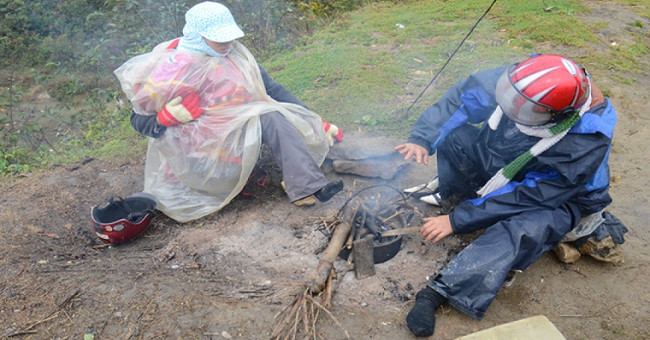
It is forecast that next Wednesday (November 23), a very strong Northeast monsoon will overflow into the North, causing a deep cold in the Northern mountainous provinces.

A beautiful upside-down rainbow has just appeared in the English sky on Monday, making many British people hope this is a good sign for 2016, a volatile year in the worl…
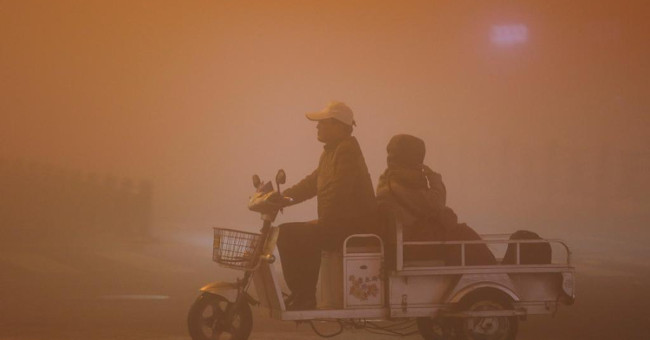
News website Hindustan Times quoted Greenpeace as saying that the number of deaths from air pollution in India has surpassed China in 2015 due to the lack of appropriate…
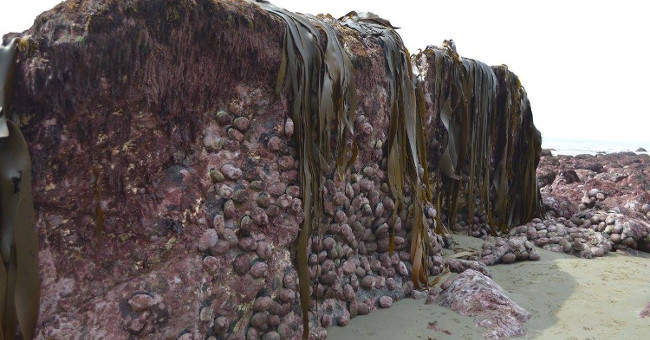
New Zealand scientists claim to have never witnessed this anomalous phenomenon.
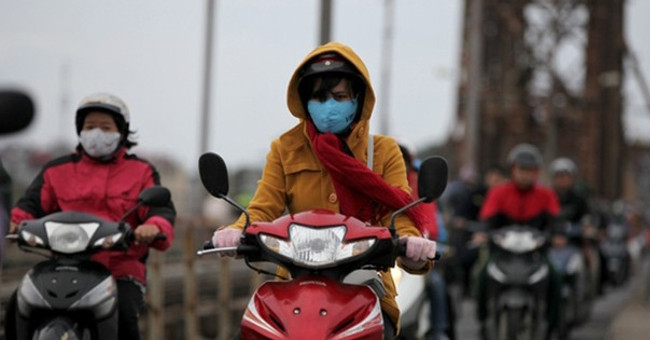
Due to the increase of cold air, the North will be strongly cold from the night of November 23, there are places below 11 degrees.
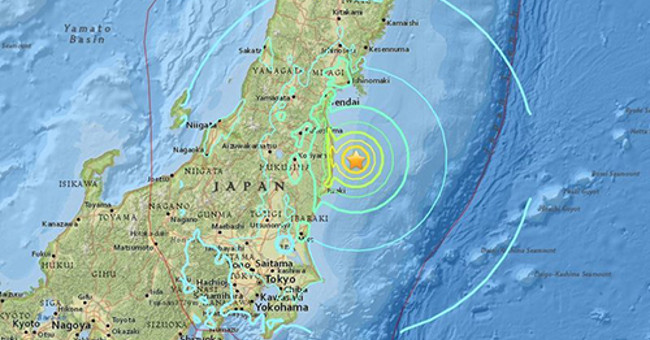
An early earthquake shook the region of northern Japan and resulted in small tsunamis.
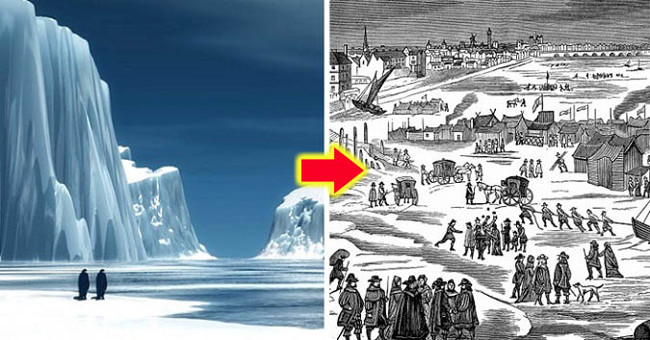
Currently, a group of researchers is considering another type of climate change — a minor ice age — that they say has made some Eurasian empires, including the La Empire…
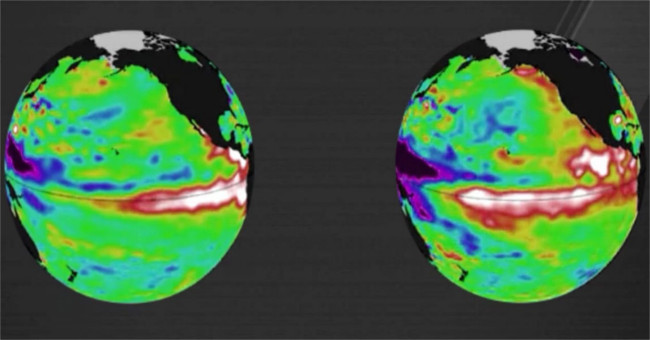
According to the simplest definition, El nino is a phenomenon that breaks down the normal conditions of the ocean-atmosphere system in the tropical Pacific region, causi…
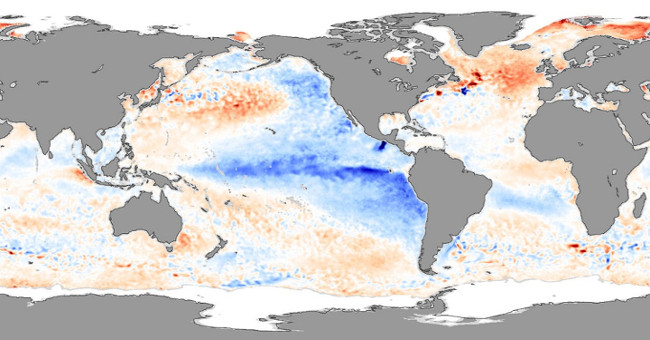
La Nina is a phenomenon of cold sea water compared to normal, this is a phenomenon contrary to the phenomenon of El Nino (sea water warming).
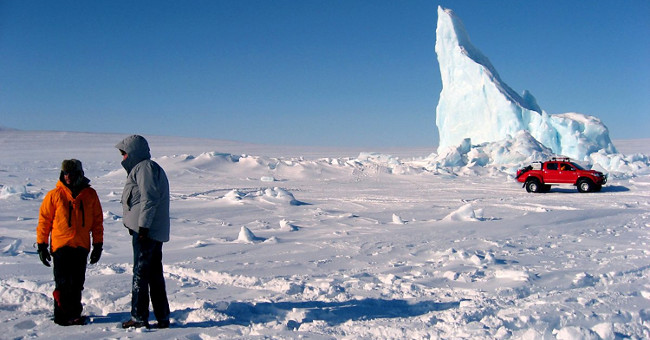
The latest data from the researcher said that the Arctic temperature is 20 degrees Celsius higher than the average every year, this is an unusual change and is being pai…
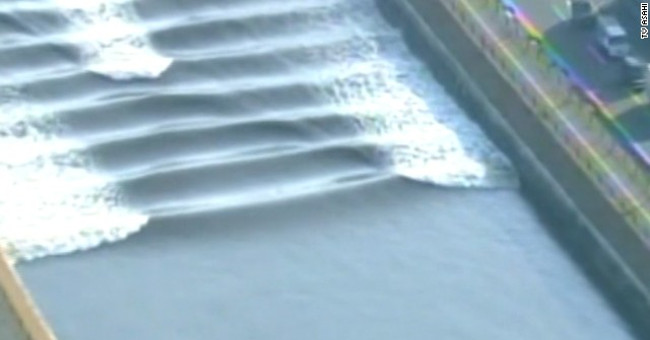
The strong earthquake that caused tsunamis in eastern Japan on November 21 did not cause significant damage and casualties, but it caused a rare and interesting phenomen…
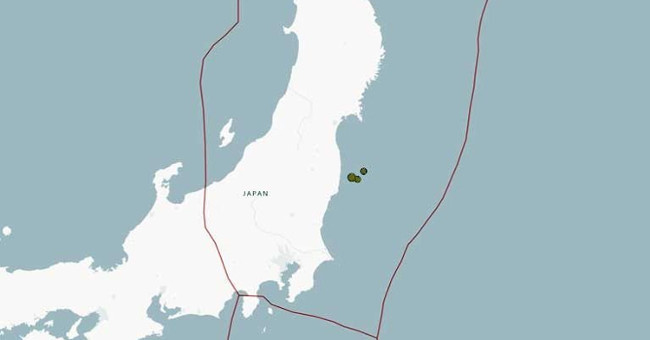
Kyodo News news agency reported that the earthquake shook the east and northeast of the country on the morning of November 24.
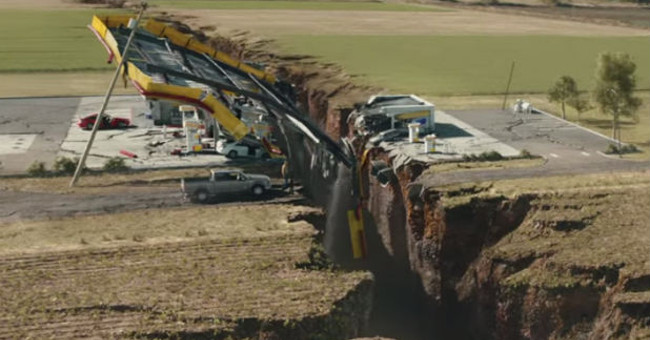
New research shows that earthquakes along the San Andreas fissure in the US could have more severe consequences than previously anticipated.
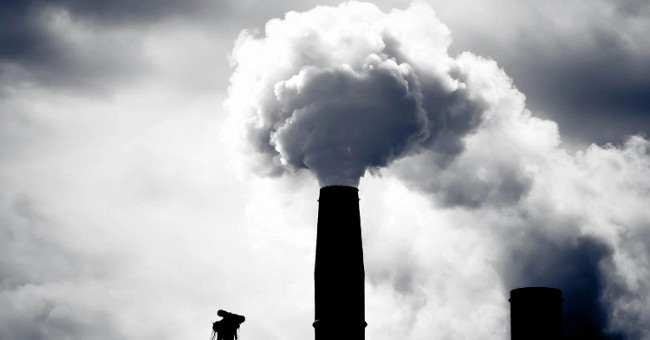
Scientists have turned CO2 into hard rock by introducing high-pressure CO2 solution into basalt. Natural chemical reactions will do the rest.