Environment
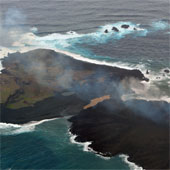
Japanese volcanic island is 10 times bigger
Nishinoshima volcanic island has an area 10 times larger than last year by connecting to another island formed during a volcanic eruption.
Explore climate, weather, energy, ecosystems, pollution, natural resources and environmental changes affecting regions around the world.
7,336 published items in this category and its subcategories.
Nishinoshima volcanic island has an area 10 times larger than last year by connecting to another island formed during a volcanic eruption.
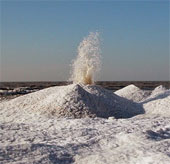
The pressure of the waves on the ice sheets will cause water and snow to bounce high, similar to the eruption of volcanic phenomena.
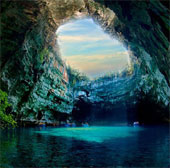
Melissani cave is like a fairy coming out of mythology. With her mysterious beauty, 'she' has made many tourists in the world passionate.

The Dead Sea has become a tourist attraction for thousands of years because extremely salty seawater makes bathers never sink and is said to bring many health benefits.
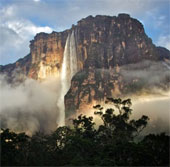
Niagara (USA), Victoria (Zimbabwe), Angel (Venezuela) ... are the most beautiful waterfalls in the world, attracting many tourists to visit.
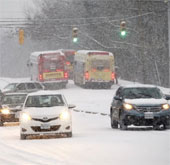
From the night of January 8, a record cold spell covering the eastern, midwestern United States and Canada caused much turmoil, even the zoo penguins were also taken to…
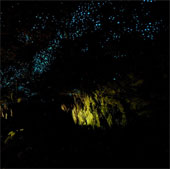
The cave glows thanks to thousands of bioluminescent larvae clinging to jagged stone walls.
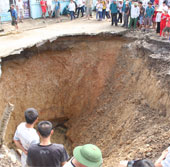
Many local households have to move their assets to ensure safety, after
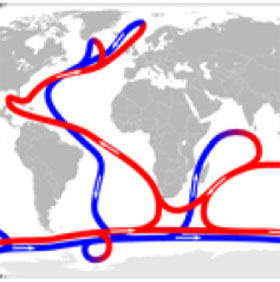
Most of the climate change concerns focus on the total amount of greenhouse gases emitted into the atmosphere.

The invasion of algae makes the lake in China change green and viscous appearance on the surface.
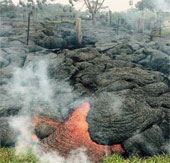
Many people in the village of Pahoa in Hawaii, USA, had to flee by volcanic lava flows, leaving homes that are the target of thieves.
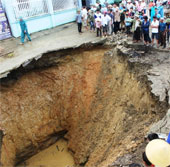
After surveying at 'death hole' in Thanh Hoa, the mission identified a caster cave near the sinking pit area.
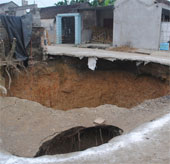
After nearly a week of no subsidence, two days ago the death pit in Yen Dinh and Thanh Hoa continued to expand, forming a small hole.
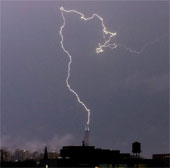
According to recent research by US scientists, when global average temperature increases, the frequency of lightning strikes also increases.
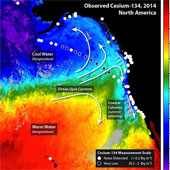
US scientists discovered traces of radiation leaking from the 2011 Fukushima nuclear disaster off the coast of California.