
Environment
The 'freezing smoke' material cleared up the oil
Scientists in Arizona and New Jersey argue that airgel materials can act as sponges to help absorb oil from waste water and effectively absorb oil slicks in the environm…
Explore climate, weather, energy, ecosystems, pollution, natural resources and environmental changes affecting regions around the world.
7,336 published items in this category and its subcategories.
Scientists in Arizona and New Jersey argue that airgel materials can act as sponges to help absorb oil from waste water and effectively absorb oil slicks in the environm…

On February 17, an ice block of up to 14,000 km2 separated from Wilkins ice shelf, belonging to Antarctica.

A UK study found that tropical forests are absorbing 20% of the CO2 emissions from the atmosphere, helping people save about $ 13 billion per year.

According to Deputy Minister of Natural Resources and Environment Nguyen Van Duc about 50 years ago, in Vietnam, the average temperature increased about 0.7 degrees Cels…

The Gamburtsevs mountain range in Antarctica has the same height as the mighty Alps strip in Europe but is hidden under a giant ice sheet.

Super soft toilet paper is something we only use for a few seconds, but its negative effects on the environment can last for centuries, more than a car.
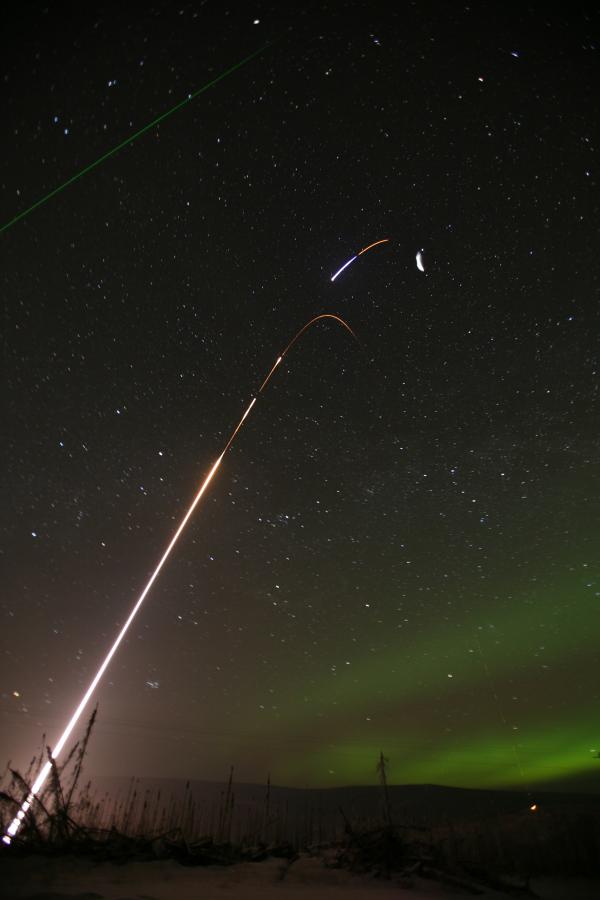
Clemson University's space physicists have traveled the world to launch missiles to check atmospheric conditions.
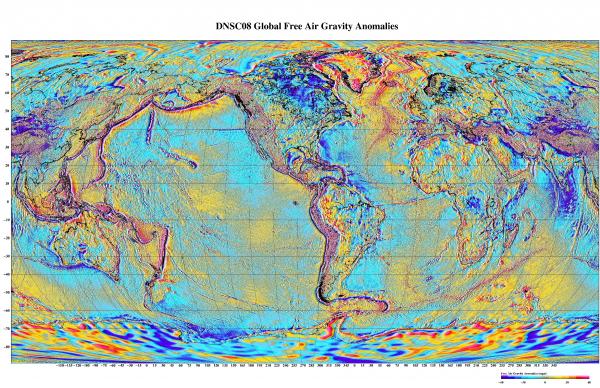
A map of Earth's gravity based on satellite measurements will make it easier to find new oil fields.

The animals that feed on the bottom of continuous water sources release nitrous oxide (N2O), a gas that can increase the temperature of the earth.

The crust of many animals living in the ocean is thinning over time, as seawater absorbs more and more CO2 emissions.
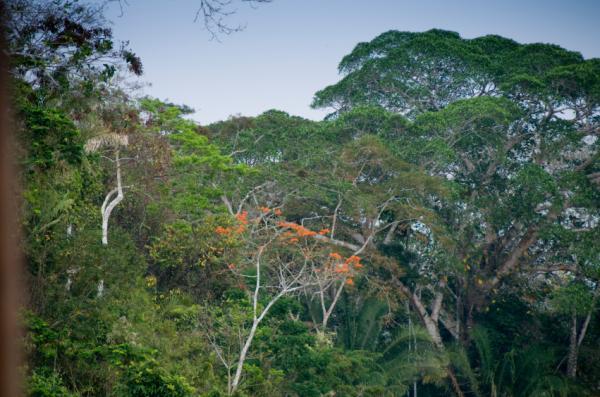
According to a new study conducted on the world's largest tropical forest, Amazon is particularly sensitive to drought.

A fierce sandstorm from the desert covered many areas in Saudi Arabia's Riyadh capital yesterday, obscuring buildings and causing traffic congestion.

Global sea levels are increasing at a faster rate than scientists have predicted, due to severe melting of ice in the two poles.

Rapid warming in the Arctic region and a large number of glaciers are fading as a phenomenon
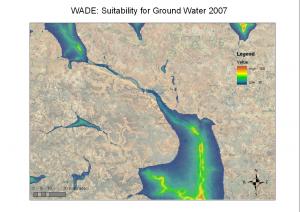
Like most sub-Saharan African countries, Niger has many problems in securing water demand. As part of ESA's TIGER solution, satellite data is being used to identify grou…