
Environment
The idea of creating a 100km long curtain to prevent glaciers from melting
Researchers are looking for ways to prevent warm ocean currents from approaching and collapsing glaciers at an increasingly rapid rate today.
Explore science in everyday life, from weather and health to wildlife, geography, human biology and unusual phenomena around the world.
9,109 published items in this category and its subcategories.
Researchers are looking for ways to prevent warm ocean currents from approaching and collapsing glaciers at an increasingly rapid rate today.

At the end of March, the weather usually starts to warm up, but this year it may be different. Some forecast models and meteorological experts say that, apparently
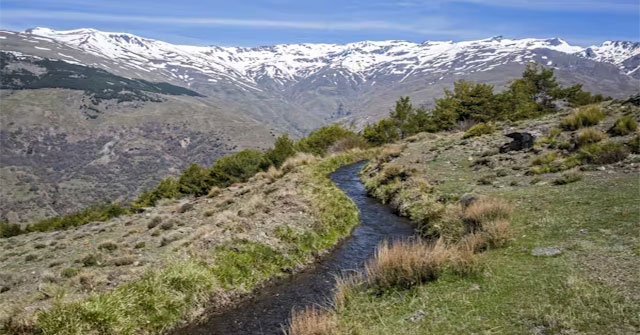
Through archaeological discoveries around the world, scientists have found that ancient farming methods helped civilizations overcome difficult times caused by unpredict…

Humans are in an ironic situation, a treasure trove of rare elements is spilled out along with water considered too polluted and expensive to clean.
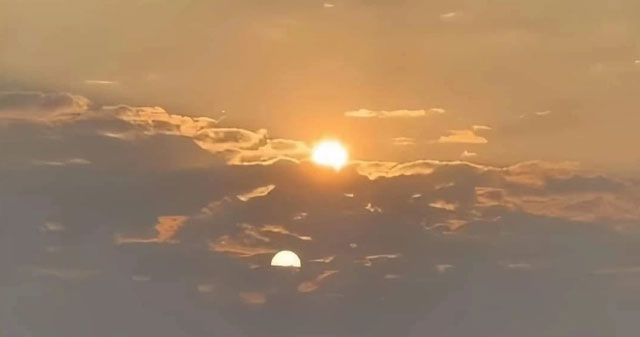
On the afternoon of March 11, the image is similar

It is forecasted that from now until March 18, the Northern provinces will have light rain, drizzle and scattered fog at night and in the morning, with less rain in the…


What is of interest is how a flood-prone land with little or no natural resources like the Netherlands became the global agricultural, engineering, ... and business regi…

The North is experiencing days of drizzle and humidity. This weather pattern will last for the next few days. This area is forecast to welcome cold air and turn to cold…
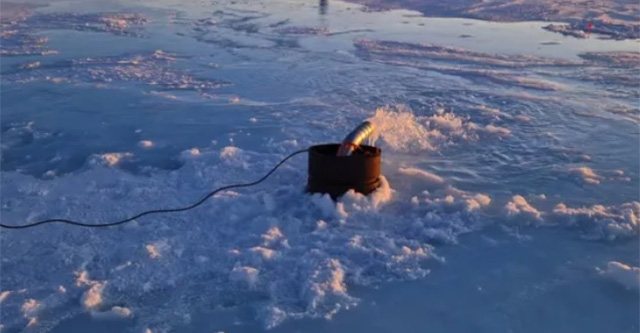
Off the coast of Northern Canada, a group of scientists closely monitors the process of pumping seawater onto the surface of sea ice. Their goal is to slow down global w…

Faced with a future of severe water shortages, the United Arab Emirates has launched a project to increase regional rainfall.
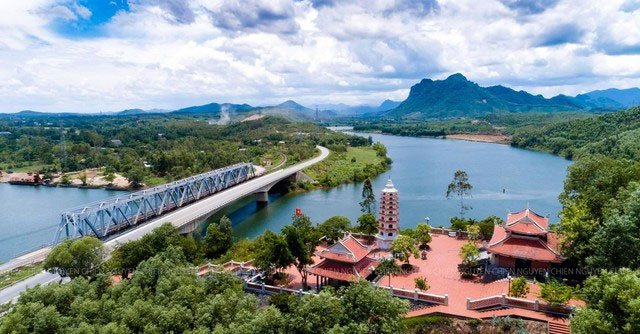
This is one of the rivers located amidst the most poetic and lyrical landscape of this locality.
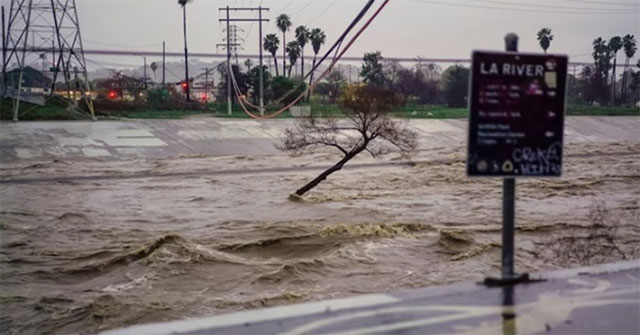
The US National Weather Service predicts El Nino will weaken in the next few months, giving way to the La Nina phenomenon that could cool global temperatures.

At 8:30 p.m. on March 23, 2024 local time, the 18th Earth Hour will take place globally.

A giant ancient island now located at the bottom of the Atlantic Ocean may contain huge reserves of rare earth elements and many other valuable minerals.