
Medicine - Health
Oral health shows your health
From the color of your teeth to your gums, the mouth can tell you a lot about your overall health.
Read clear coverage of medical research, diseases, symptoms, prevention, nutrition, treatments and everyday health topics across modern medicine.
16,084 published items in this category and its subcategories.
From the color of your teeth to your gums, the mouth can tell you a lot about your overall health.

With the criteria of safety, intelligence and versatility, robotic fabrication specialists have launched many useful elderly support products.
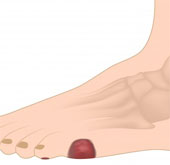
Experts from Stanford University School of Medicine (USA) have recently developed a direct drug patch to help heal wounds quickly.

UK researchers have recently discovered a relationship between height and dementia.

The face is judged to be smart if the nose is high, the chin is slightly pointed, the distance between the eyes is far away.
French scientists have just announced the discovery of a gene mechanism that helps some people become immune to the effects of HIV.

The 73-year-old patient, diagnosed by a doctor as difficult to pass, miraculously recovered after seeing his pet dog again.

There are many reasons why your eyes are blurred, including worrisome reasons that can lead to permanent vision loss, such as diabetes.

The kidneys must fight a lot of toxins during dialysis from day to day and are quite sensitive to diseases.

Some previous studies have confirmed that herbs, often consumed in tea form, can prevent the replication of influenza viruses.
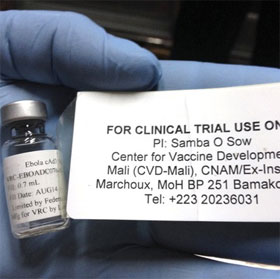
According to WHO experts, tens of thousands of people in West Africa will be able to test the Ebola vaccine early next year.

Eating lots of fruits and vegetables every day will make you feel happier.

Vitamin C, known internationally as ascorbic acid, was extracted in 1928 by Albert Szent Gyorgyi, a water-soluble vitamin, essential for humans and animals.

Painless injection technology can be performed with a device that creates pressure and vibration when the injection is inserted into the skin.

Chinese scientists will test the M1 virus, which is thought to be able to kill cancer cells without harming normal cells, on the monkey body next week.