Oceanography
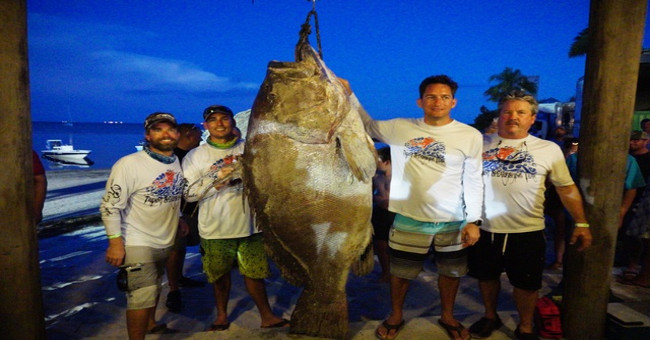
Diving, catching giant grouper twice as big
A Florida firefighter who joined the local fishing competition was surprised to find a giant grouper.
Dive into ocean science, marine life, deep-sea discoveries, polar ecosystems, underwater geology and mysteries hidden beneath the world's oceans.
2,285 published items in this category and its subcategories.
A Florida firefighter who joined the local fishing competition was surprised to find a giant grouper.

Lara Clarke-Wardle, a 30-year-old female photographer living in Torrington, Devon, found them on a beach near Hartland monastery in North Devon while walking with her pa…
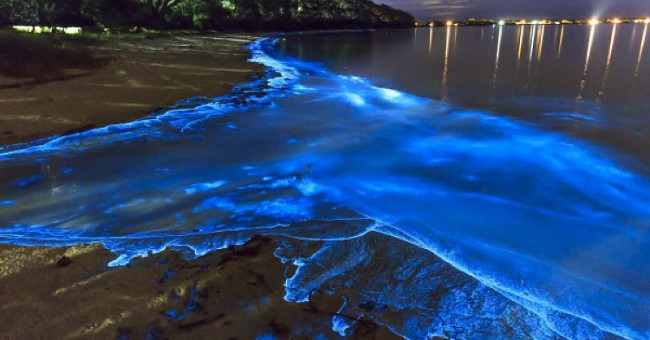
Scenes that seem to be seen only in sci-fi films are discovered at Vaadhoo.
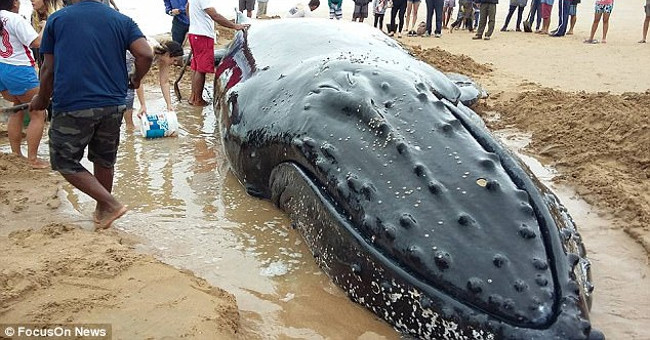
More than 300 people shouted at the same time as trying to save a young humpback whale stranded on the beach of Rio de Janeiro, Brazil ended successfully with the result…

The Japan Ocean-Earth Science and Technology Agency (JAMSTEC) on August 24 announced the discovery of snailfish at a depth of 8,178 m under the Mariana ocean trench, acc…
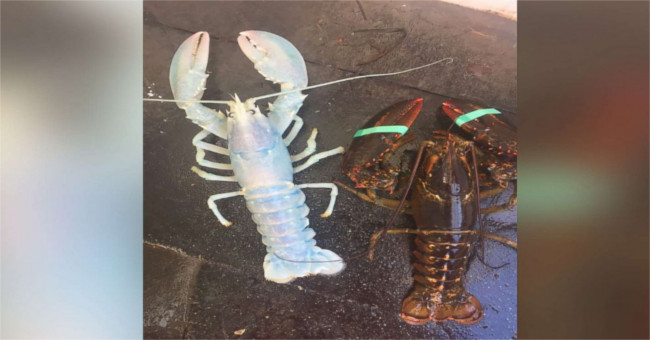
Fisherman Alex Todd 48 years old in Chebeague Island, Maine, USA caught a color-looking lobster of the ocean on August 24, according to ABC News.
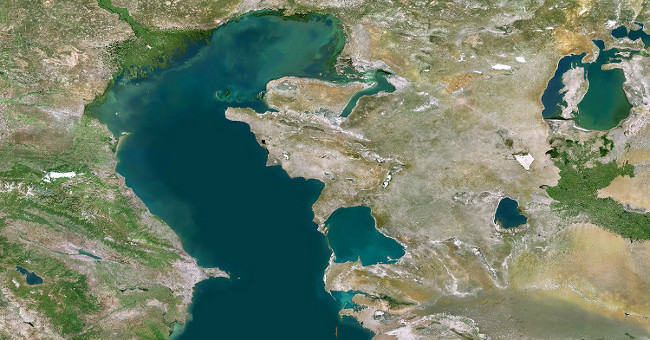
That is the warning that scientists put forward after studying to find out the cause of intense evaporation of seawater.
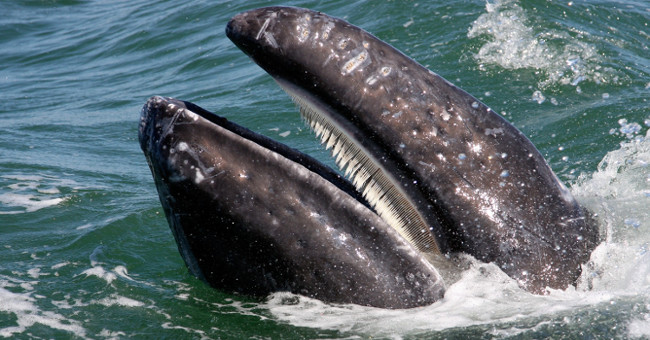
Australian scientists discovered that the ancestors of today's large and gentle blue whales were dangerous hunters who could catch and kill prey with sharp teeth.
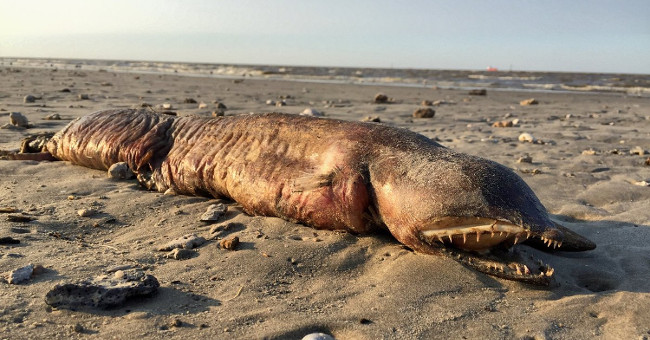
The mysterious creature with canines, in a state of decay, was washed up on the coast of Texas City, Texas - the United States after Hurricane Harvey was identified.
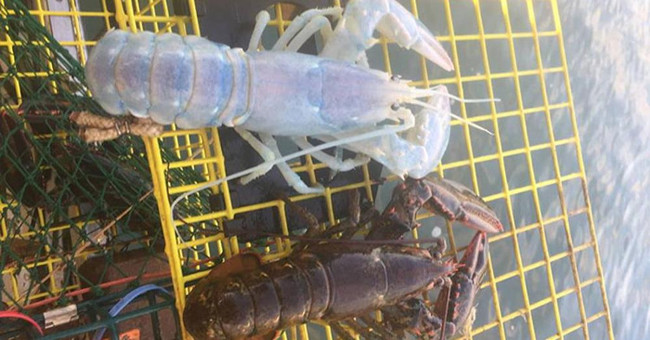
At a rate of only 1/100 million, this lobster is probably the rarest creature on the planet.
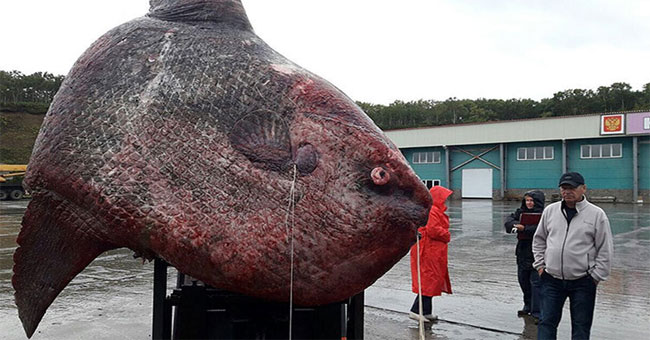
In a sea voyage, the fishermen group of Sakhalin Island accidentally caught a giant fish. According to fishermen, this is a moon fish, also known as sun fish, king fish…
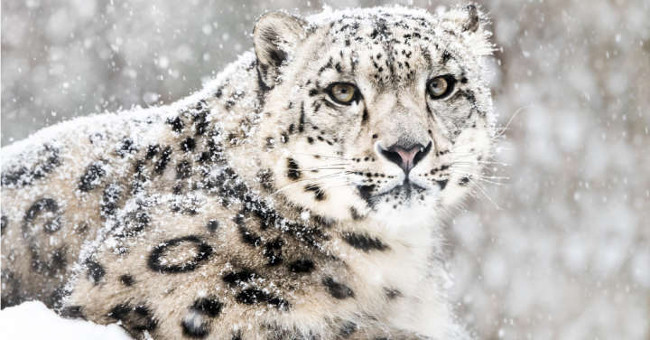
Since being observed by biologists in 1970, the snow leopard has been listed as a state by the IUCN (International Union for Conservation of Nature).
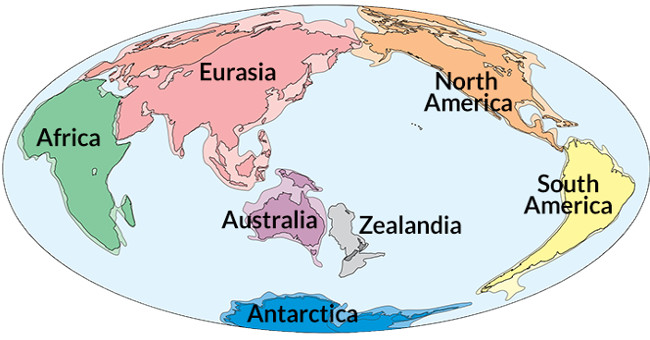
The new scientific expedition will focus on drilling deep into the crust or top layer of continental Zealandia about half the size of Australia, Live Science reported ye…
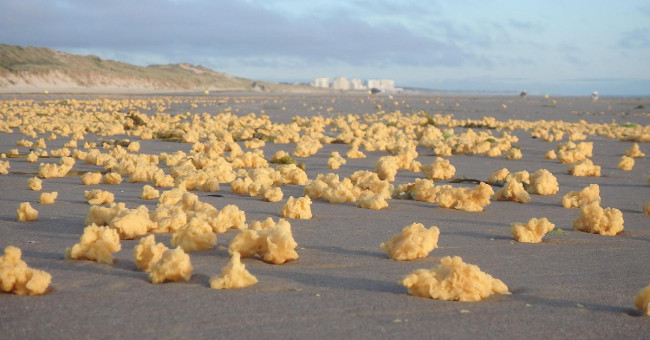
Sponge-like yellow objects appear along the 30km coastline in the Pas-de-Calais area, north of France, late last week, according to Gizmodo.
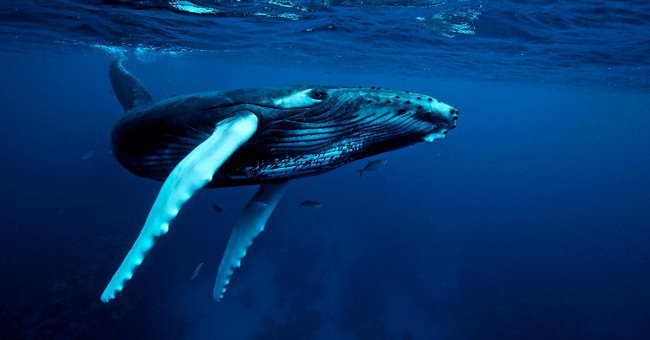
Previous researchers could only observe the structure of flippers from humpback whale carcasses and thought they were used primarily to correct the direction of swimming.